Ctrl K
1857–1927
Jean-Eugène-Auguste Atget was born on February 12, 1857, in Libourne, France, to working-class parents—a carriage maker father who died in 1862 and a mother who passed away soon after, orphaning him at age six or seven. Raised by his maternal grandparents in Bordeaux, Atget briefly pursued a seafaring life before moving to Paris in the late 1870s to study acting at the Conservatoire d'art dramatique, where he was mentored by actor Edmond Got but ultimately dismissed due to his stature and regional accent. After performing with provincial theater troupes and forming a lifelong companionship with actress Valentine Delafosse Compagnon—whose son was killed in World War I—Atget abandoned acting in 1887 due to vocal cord issues and unsuccessfully tried painting. Self-taught in photography, he took up the medium around 1888, producing his first images of Amiens and Beauvais, and established a professional practice by 1890, selling "documents" to painters, architects, and designers.
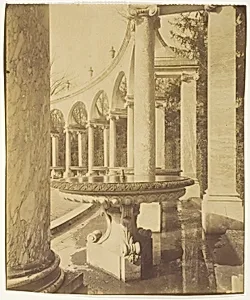
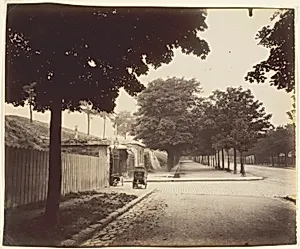
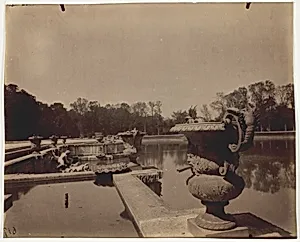
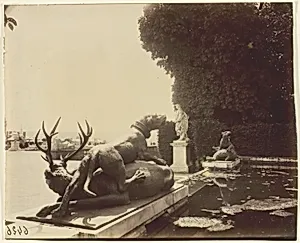
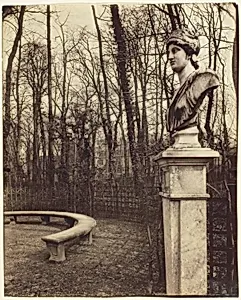
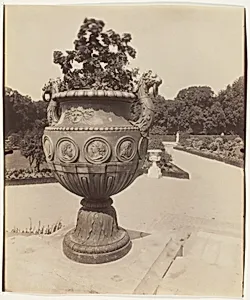
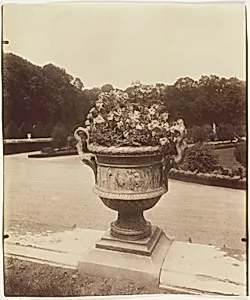
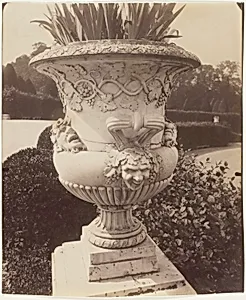
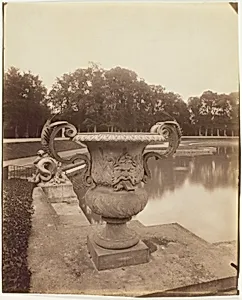
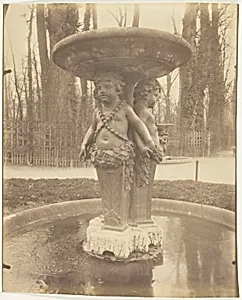
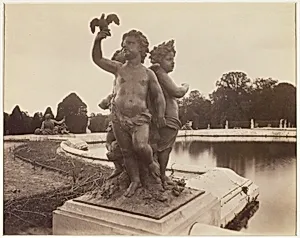
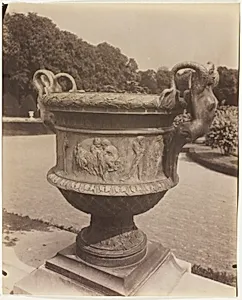
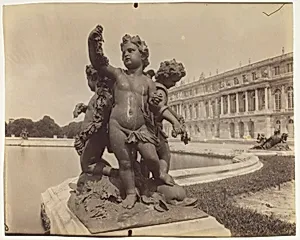
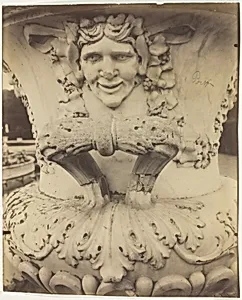
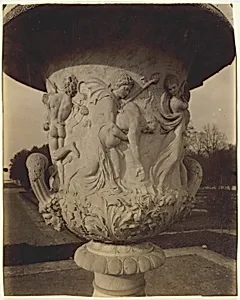
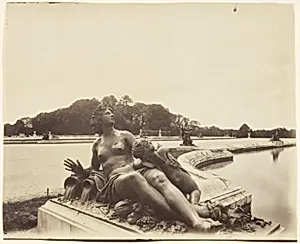
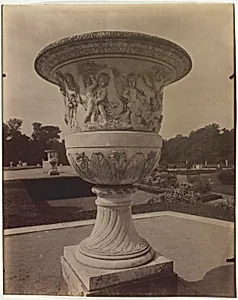
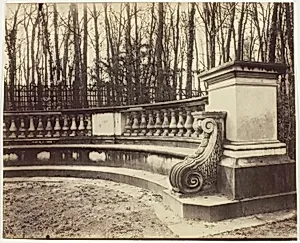
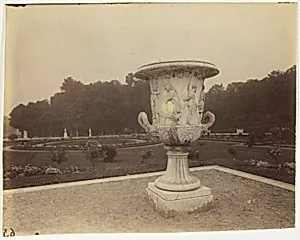
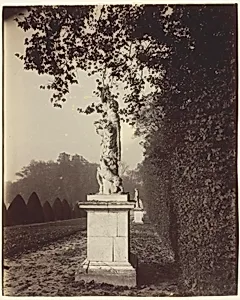
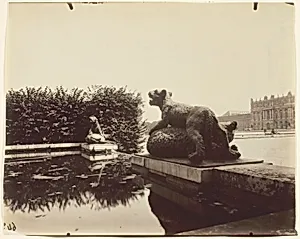
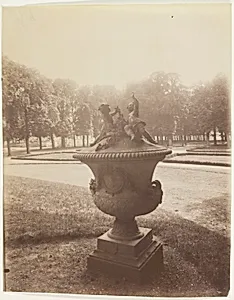
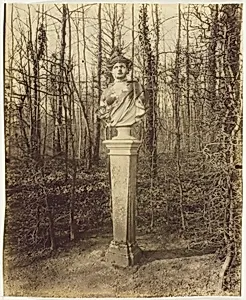
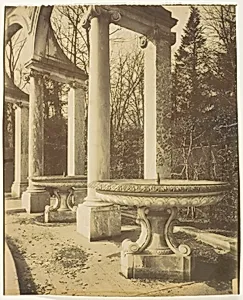
Atget's pioneering documentary style captured the vanishing essence of "Old Paris" on the brink of modernization, using a cumbersome large-format wooden bellows camera with 18x24 cm glass plate negatives and long exposures that blurred motion, yielding poetic, atmospheric prints on albumen or gelatin silver paper. Working as a flâneur from his Montparnasse base starting in 1899, he systematically archived over 10,000 images into series like *Art in Old Paris* and *Topography of Old Paris* (early 1900s), *Petits Métiers* depicting street trades, Versailles gardens (1901–1927, including *The Orangerie Staircase*, 1901), storefronts (*Avenue des Gobelins*, 1925 and 1927), and late works on Parisian interiors and prostitutes (1920s). His compositions emphasized empty streets at dawn, intricate details, and dreamlike perspectives, rejecting artistic pretensions—he called his output "simply documents"—yet evoking a theatrical romance with the city's patina.
Though overlooked in his lifetime, Atget sold prints to modernists like Picasso, Matisse, and Braque, and was championed in the 1920s by neighbor Man Ray, who reproduced *Pendant l'éclipse* (1912) in *La Révolution surréaliste*. American photographer Berenice Abbott preserved his vast archive after his 1927 death, publishing *Atget, Photographe de Paris* (1930) and donating it to the Museum of Modern Art in 1968, ensuring his legacy as a precursor to straight and documentary photography, Surrealism, and urban chroniclers like Walker Evans. Atget's encyclopedic vision immortalizes a pre-Haussmannized Paris, blending archival rigor with lyrical nostalgia.