Ctrl K
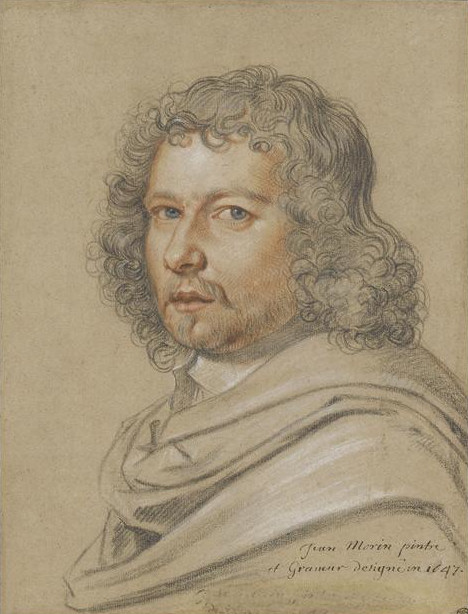
1605–1650
Jean Morin (c. 1605–1650) was one of the most accomplished French engravers of the seventeenth century, a master of the portrait print whose work stands among the finest examples of French graphic art in its era. Little is known about his early life or training, though his technique suggests exposure to both French and Flemish engraving traditions, the latter being the dominant force in European printmaking during the early decades of the century.
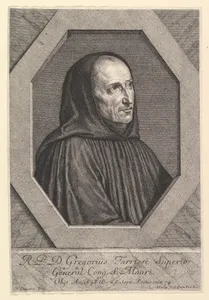
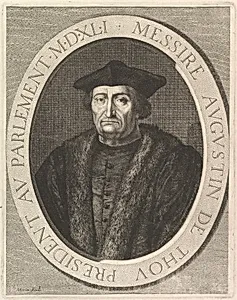
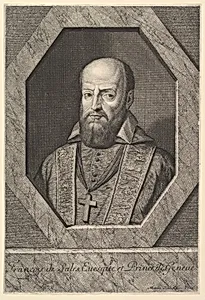
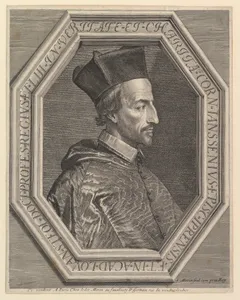
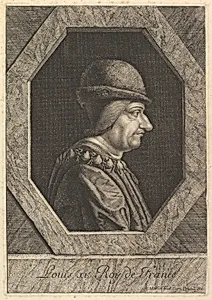
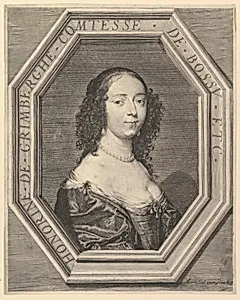
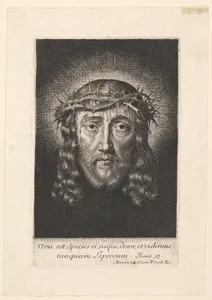
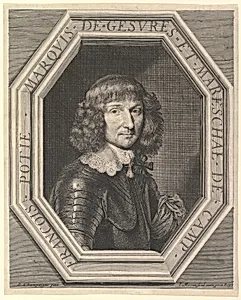
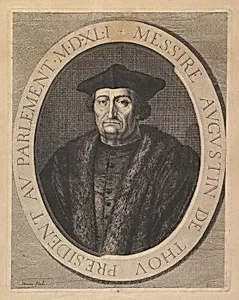
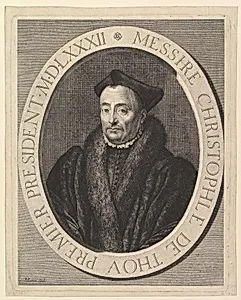
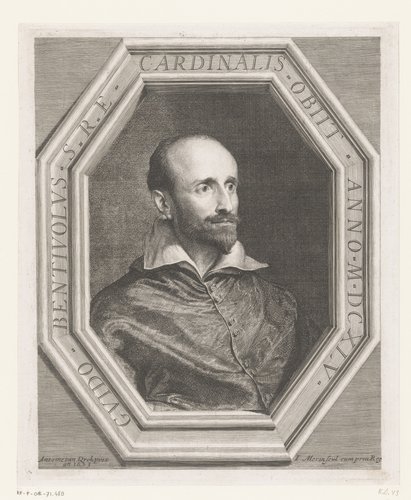
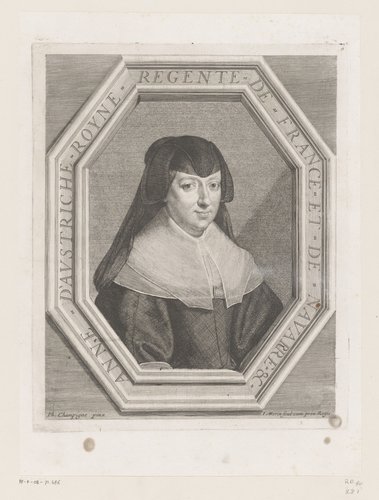
Morin made his reputation almost entirely through portraiture, and it is in this genre that his particular genius found its fullest expression. Working in a distinctive technique that combined engraving with etching — using fine, closely worked lines to build up tone and texture — he achieved a softness and subtlety of surface unusual among his contemporaries. His portraits of French intellectuals, clergy, and aristocrats are characterized by their psychological penetration and their ability to suggest the texture of flesh and fabric with remarkable economy of means. He was particularly associated with the milieu of Port-Royal and produced memorable portraits of figures connected to that center of Jansenist thought.
Among his most admired works are portraits of Cardinal Richelieu, scholars, and religious figures, all rendered with the quiet authority that distinguishes his best work. His prints were widely circulated and shaped the way later generations imagined the faces of seventeenth-century France.
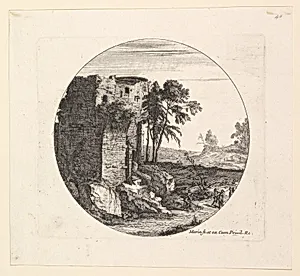
Morin's legacy is that of a supreme specialist. His refusal to attempt history prints or decorative subjects in favor of an absolute concentration on the portrait print allowed him to achieve a level of mastery in his chosen field that has earned him enduring respect among scholars of French printmaking and the history of the portrait.