Ctrl K
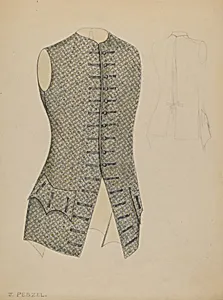
1855
Jean Peszel was an American artist active around 1935, best known for her contributions to the Index of American Design, a landmark Depression-era initiative under the Works Progress Administration (WPA) Federal Art Project. Working primarily on the New York City project, Peszel created meticulous watercolor renderings of everyday American folk art and decorative objects, helping to catalog and preserve the nation's material culture during a time of economic hardship. Little is known about her early life or formal training, as biographical details remain sparsely documented beyond her professional activity in the 1930s and early 1940s.
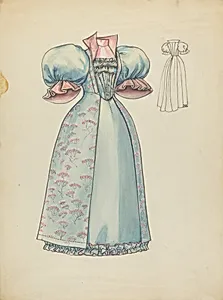
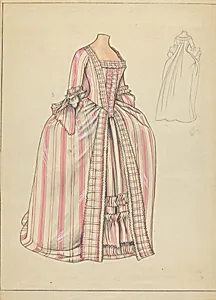
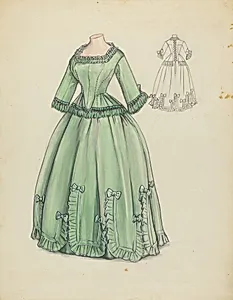
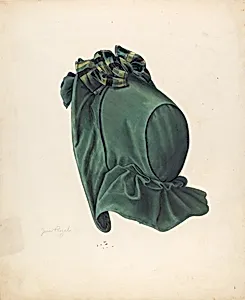
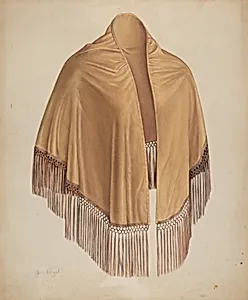
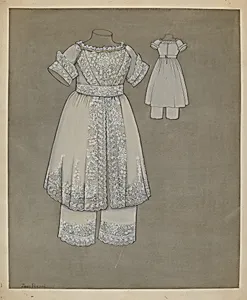
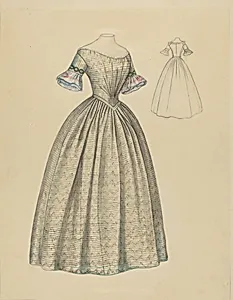
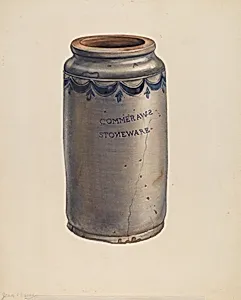
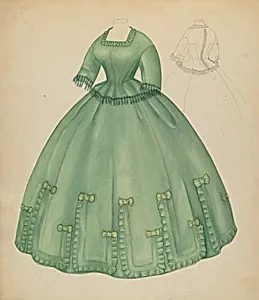
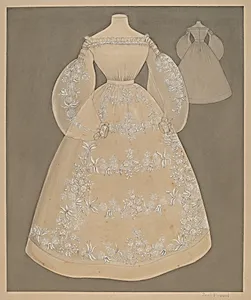
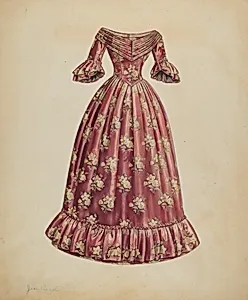
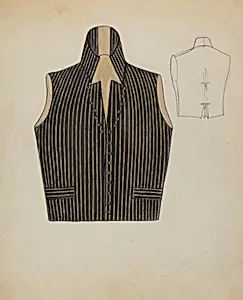
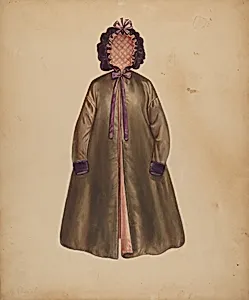
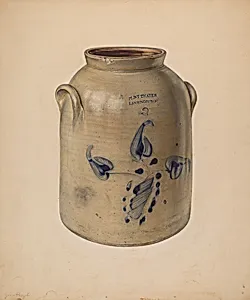
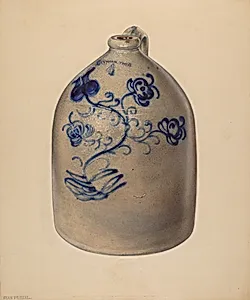
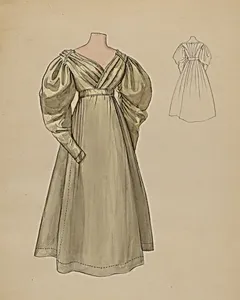
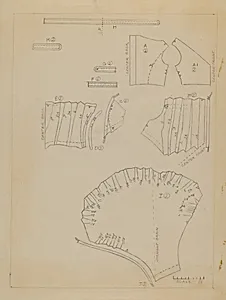
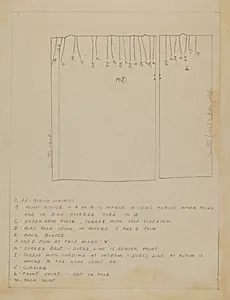
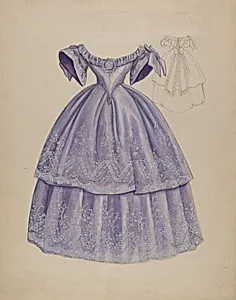
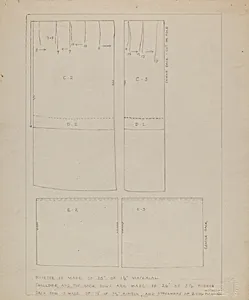
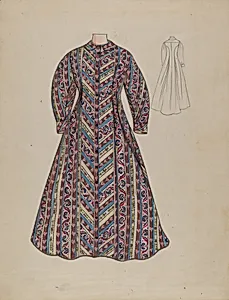
Peszel's artistic style emphasized hyper-realistic detail, capturing the intricate textures, folds, colors, and craftsmanship of historical garments, ceramics, and accessories. Using media such as watercolor, graphite, gouache, and colored pencil on paperboard, her works transformed three-dimensional objects into luminous, two-dimensional studies that highlighted the artistry of anonymous makers—from quilted petticoats to lace cravats. This approach aligned with the Index's mission to celebrate regional traditions and everyday design, positioning Peszel within the broader WPA tradition of socially engaged realism.
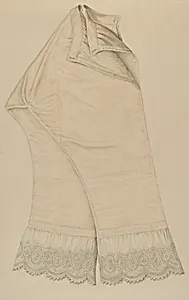
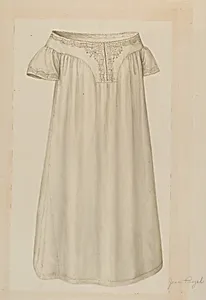
Among her fifty-one documented works in the National Gallery of Art's collection, standout pieces include *Reception Gown* (c. 1940), a flowing evening garment rendered in watercolor and graphite; *Dress* (c. 1940), showcasing layered fabrics; *Hat* (c. 1939); *Woman’s Drawers* (c. 1939); and *Jar* (c. 1938), demonstrating her versatility across textiles and pottery. These renderings, produced between 1935 and 1942, preserve vanishing aspects of American vernacular art.
Peszel's legacy endures through the enduring accessibility of her illustrations, which educate modern audiences on pre-industrial craftsmanship and bolster the Index's role as a vital archive of cultural heritage. Her precise documentation not only aided contemporary exhibitions but continues to inspire studies in American design history, underscoring the WPA's profound impact on public art.