Ctrl K
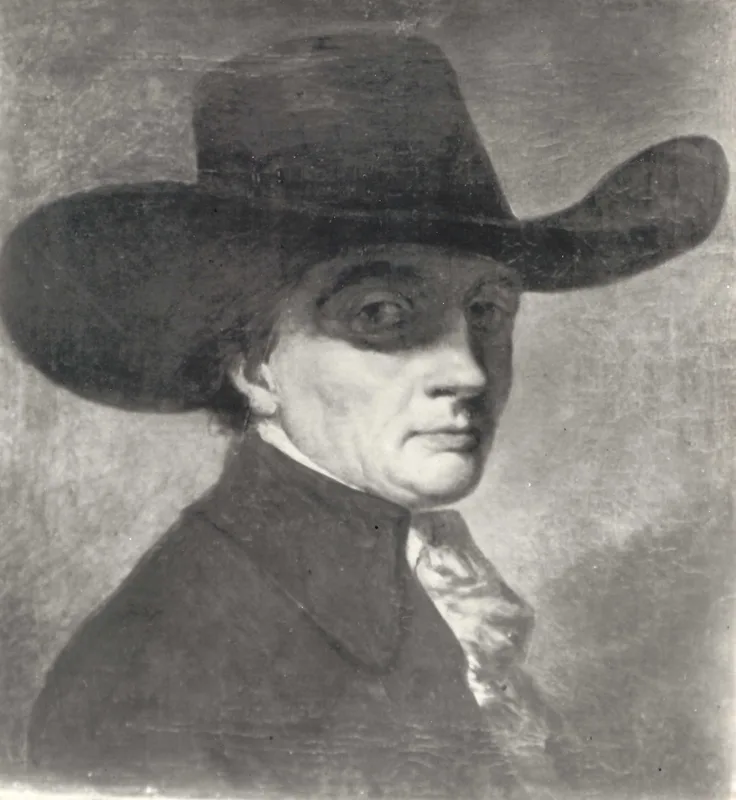
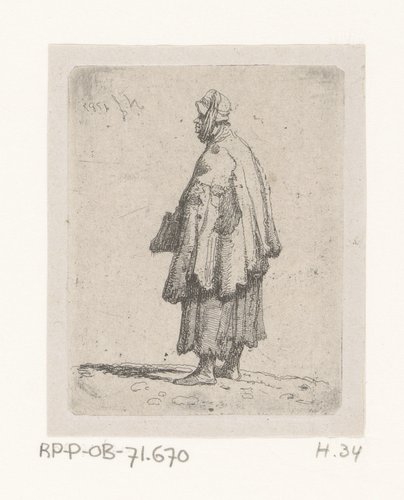
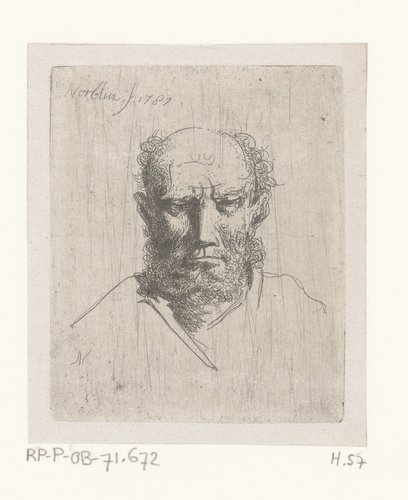
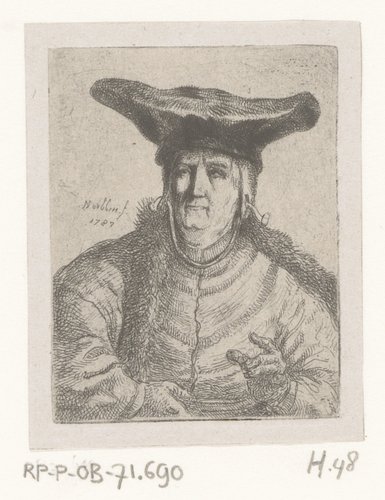
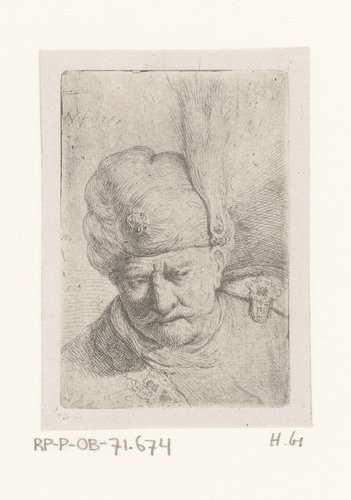
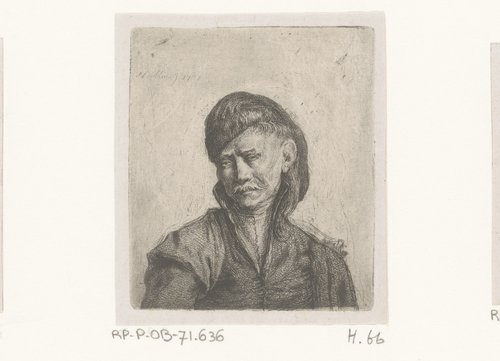
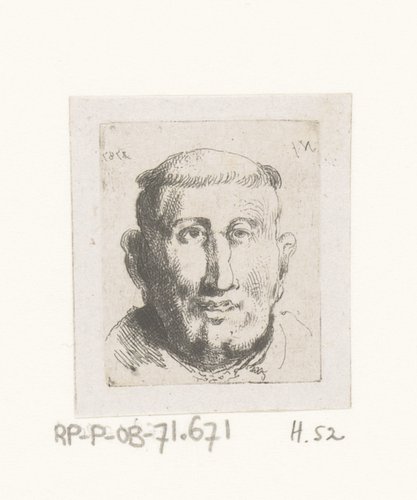
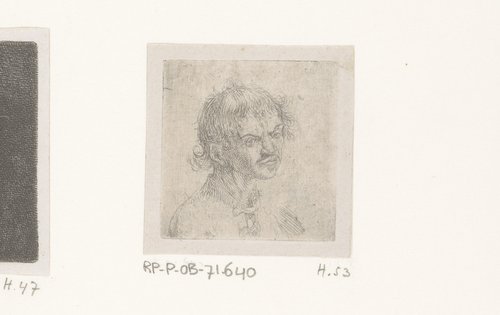
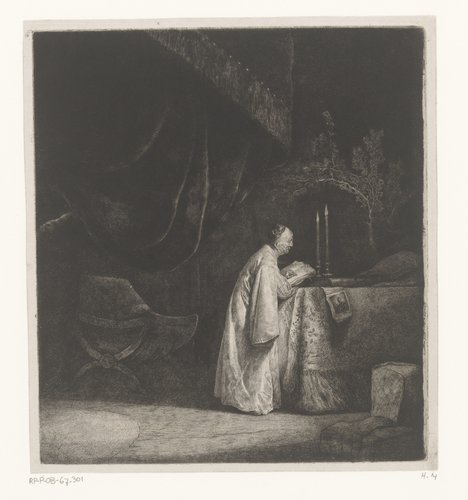
Jean-Pierre Norblin de La Gourdaine, born on July 15, 1745, in Misy-sur-Yonne, France, began his artistic training in Paris during the early 1760s. He apprenticed in the studio of Jacques-Philippe Caresme around 1763, then studied under Francesco Casanova circa 1765, mastering battle scenes, genre paintings, and landscapes, as evidenced by his early *Cavalry Skirmish* of 1769. Admitted to the Académie Royale de Peinture et de Sculpture in 1765 or 1769, he later attended the École Royale des Élèves Protégés from 1770 to 1771 under Louis-Michel van Loo, with additional influence from Joseph-Marie Vien. These formative years immersed him in Rococo traditions, echoing Antoine Watteau's fêtes galantes through delicate compositions and vibrant colors, while exposure to Rembrandt and English artists like Hogarth honed his caricatural edge.
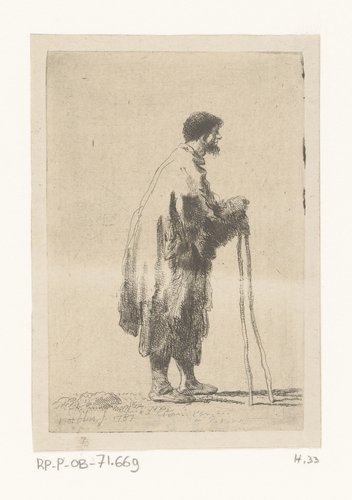
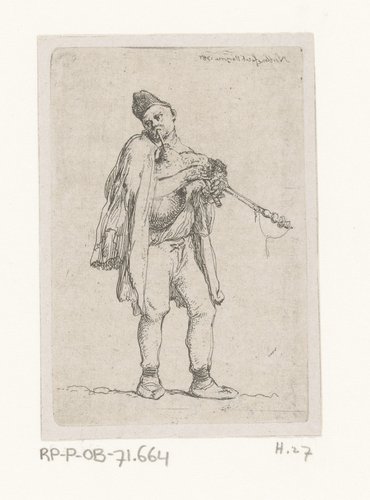
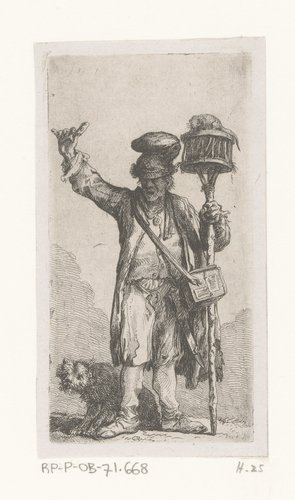
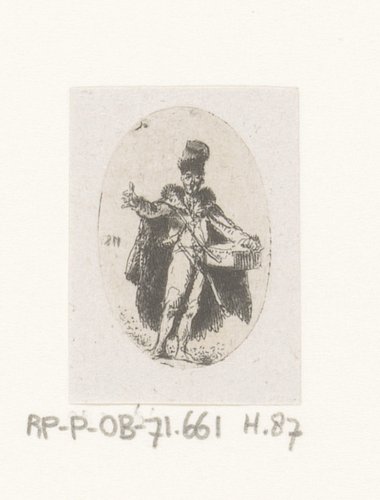
In 1774, invited by Prince Adam Kazimierz Czartoryski—whom he had met during travels—Norblin arrived in Poland, residing there until 1804 as court painter and tutor to the Czartoryski children at Puławy and Powązki estates. He worked in the Rococo style for magnates like the Radziwiłłs and King Stanisław August Poniatowski, founding an art school whose pupils included Aleksander Orłowski, Michał Płoński, and Jan Rustem. His oeuvre spans history paintings, genre scenes, battles, landscapes, and portraits, chronicling Polish life with journalistic precision. Key works include the *Bathing in the Park* series (1785), *Praga Market* (ca. 1791), vivid depictions of the 1794 Kościuszko Uprising—such as *The Hanging of Traitors in Warsaw's Old Town Square* and the Battle of Racławice—the *Sejmik* series (1808), and the monumental *Collection of Polish Clothing* (81 canvases, 1804–1817).
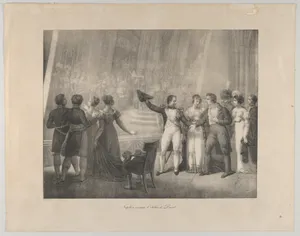
Returning to France amid Poland's partitions, Norblin married twice—first to Polish widow Marianna Tokarska, bearing sons Alexandre (sculptor), Louis (cellist), and Sébastien (painter)—and continued illustrating Napoleonic events, like *Napoleon at the Battle of Eylau* (1807). He died in Paris on February 23, 1830, leaving a legacy as Poland's Enlightenment chronicler, whose socially panoramic works captured the Commonwealth's final throes. His great-grandson Stefan Norblin extended the family artistic dynasty, while Norblin's collection of masters like Boucher and Rembrandt underscored his discerning eye.