Ctrl K
1729–1806
Occupations
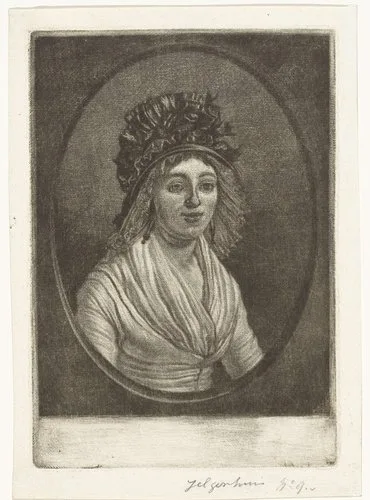
Rienk Jelgerhuis (1729–1806) was a prolific Dutch portrait painter, engraver, and draftsman whose extraordinary productivity—producing no fewer than 7,763 documented portraits during his career—made him one of the most industrious portraitists of the eighteenth-century Netherlands. Born in the Frisian capital of Leeuwarden and dying in Amsterdam, Jelgerhuis built his reputation as an itinerant portrait painter, traveling throughout the Dutch Republic to capture the likenesses of middle-class burghers, merchants, and professionals who sought affordable yet dignified commemoration of their appearances and social status. Working primarily in pastel, graphite, and engraving, Jelgerhuis developed an efficient portrait practice that combined technical competence with commercial accessibility. His portraits, typically modest in scale and unpretentious in style, served the growing eighteenth-century demand for personal imagery among the prosperous but not aristocratic classes. His meticulous numbering system—portraits bearing numbers exceeding 7,700—provides remarkable documentation of an eighteenth-century artist's sustained professional activity and suggests a methodical, business-oriented approach to artistic production that anticipated modern commercial portraiture.
Rienk Jelgerhuis was born on April 13, 1729, in Leeuwarden, the provincial capital of Friesland in the northern Netherlands. Leeuwarden was a prosperous commercial city with a thriving bourgeois culture that valued education, literacy, and the commemoration of family lineage through portraiture.
Little is known about Jelgerhuis's artistic training, but he would have entered an apprenticeship in his teenage years, learning the fundamentals of drawing, painting, and printmaking. The Frisian artistic tradition emphasized clarity, precision, and faithful representation rather than the more elaborate Baroque styles favored in Amsterdam or The Hague. These regional characteristics would inform Jelgerhuis's straightforward, unpretentious approach to portraiture throughout his career.
Jelgerhuis established himself as a traveling portrait painter, moving through the towns and cities of the Dutch Republic to serve clients who desired portraits but lacked access to—or could not afford—the established portrait painters of major urban centers. This itinerant practice was common among eighteenth-century provincial artists and required both artistic skill and entrepreneurial adaptability.
His extraordinary productivity is documented through his systematic numbering of portraits. Surviving works bear numbers reaching as high as 7,763, providing concrete evidence of a career spanning several decades of sustained output. Records show portraits numbered 4,145 and 4,153 both dated 1794, suggesting he completed hundreds of portraits annually during his mature period.
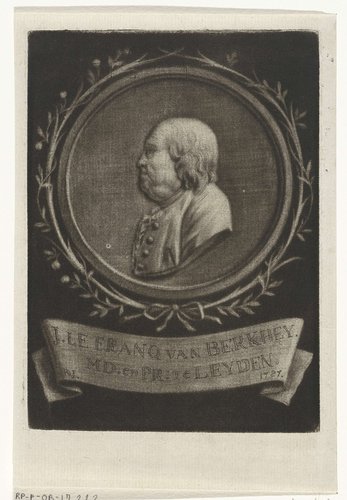
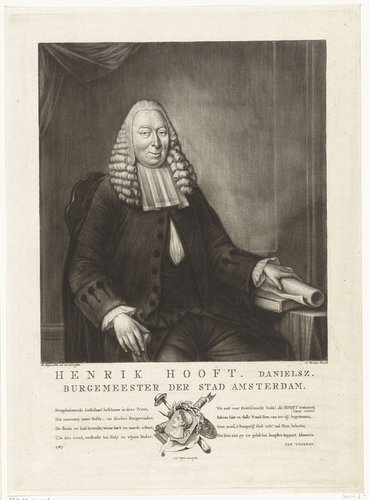
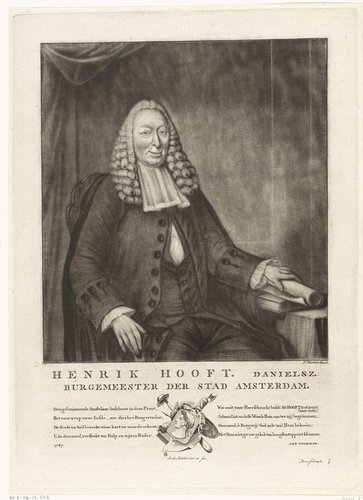
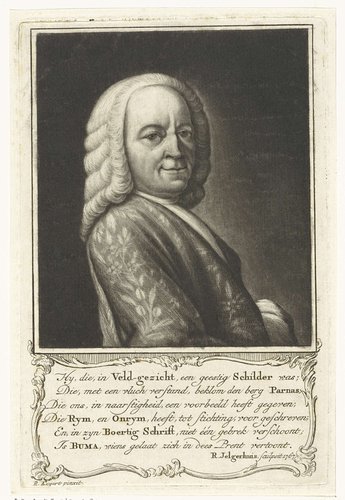
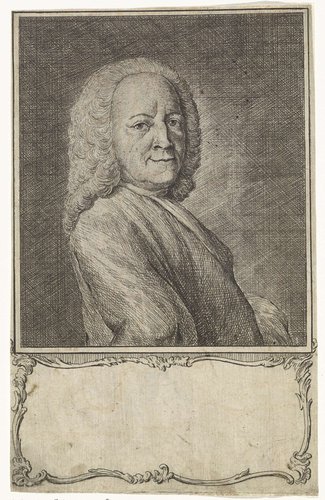
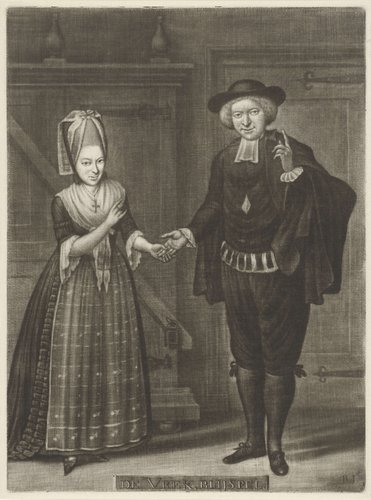
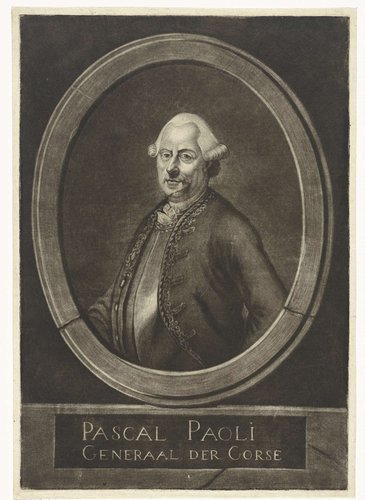
Jelgerhuis worked in multiple media, demonstrating professional versatility. His pastel portraits offered the soft, delicate coloration favored for depicting textiles and flesh tones, while requiring less time than oil painting. His graphite drawings provided more affordable options for clients of modest means. He also worked as an engraver, creating printed portrait images that could be reproduced and distributed.
His portrait subjects included merchants, professionals, clergymen, and prosperous middle-class families. The portraits typically present sitters in contemporary dress, often with attributes indicating their professions or social stations—books for scholars, musical instruments for amateur musicians, or fashionable accessories for prosperous burghers. Jelgerhuis's style emphasized clarity and legibility over painterly flourish, focusing on accurate physiognomy and dignified presentation.
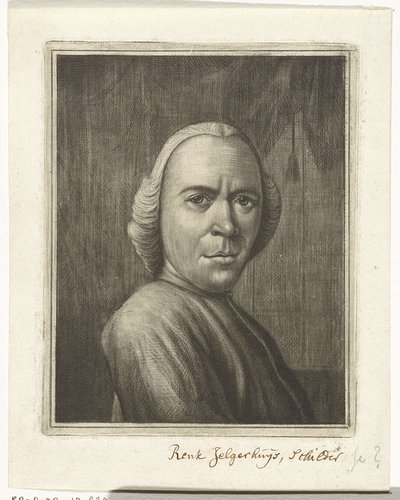
Beyond commissioned portraiture, Jelgerhuis created self-portraits that document his own appearance and professional identity. The Rijksmuseum preserves a self-portrait that shows the artist with the tools of his trade, asserting his status as a skilled professional craftsman.
Jelgerhuis's most enduring contribution may be his role as father and teacher to Johannes Jelgerhuis (1770–1836), who became an accomplished painter, illustrator, and theatrical actor. Johannes received his fundamental artistic training from his father and went on to achieve recognition as a theater scene painter and chronicler of Dutch theatrical life, preserving his father's practical approach to art-making while expanding into new subjects and contexts.
Rienk Jelgerhuis died in Amsterdam on April 17, 1806, at the age of seventy-seven. His vast oeuvre of numbered portraits provides invaluable visual documentation of eighteenth-century Dutch society, capturing the faces of thousands of otherwise anonymous individuals who participated in the Republic's prosperous commercial and professional life.
Artheon Research Team
Last updated: 2025-11-09
Biography length: ~445 words
Wikidata (CC0); Getty ULAN (ODC-By)