Ctrl K
1881–1971
Jessie M. Benge (1881–1971) was an artist born in England who became one of the many contributors to the Index of American Design, the New Deal project administered through the Federal Art Project that employed artists nationwide to document American decorative arts, crafts, and material culture from the colonial era through the late nineteenth century. The Index, conceived in the 1930s and executed over several years of work, produced more than eighteen thousand watercolor renderings now held in the collection of the National Gallery of Art in Washington, D.C.
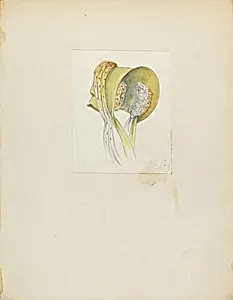
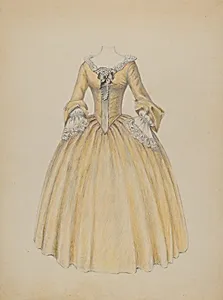
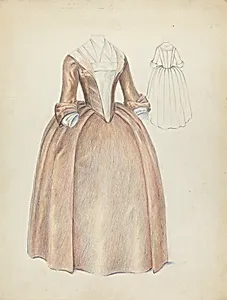
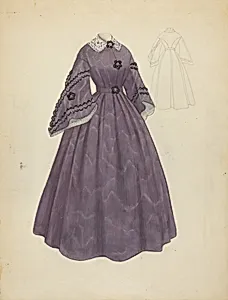
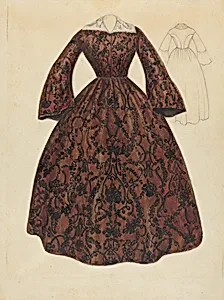
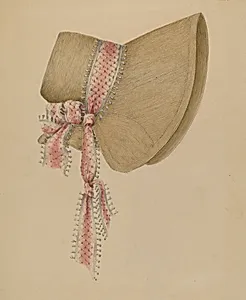
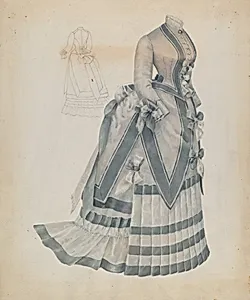
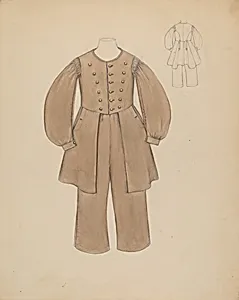
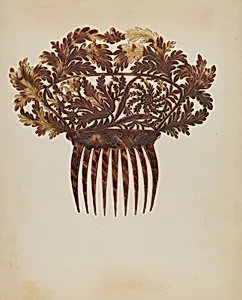
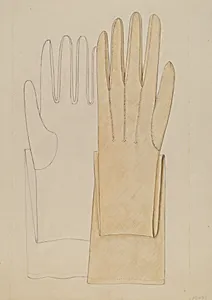
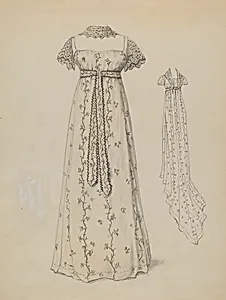
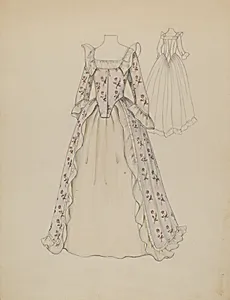
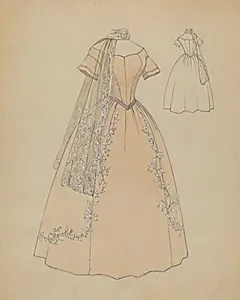
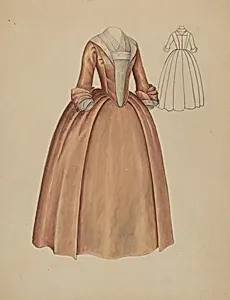
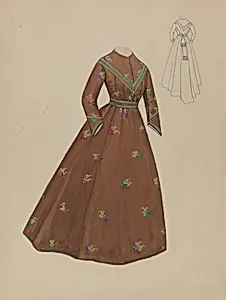
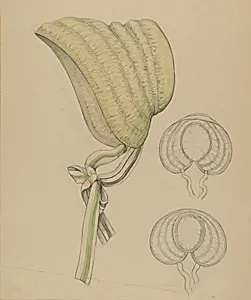
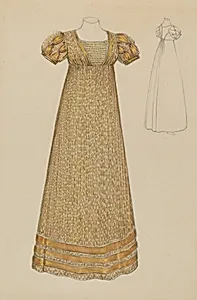
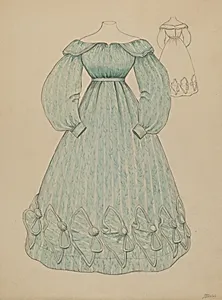
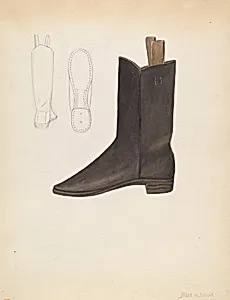
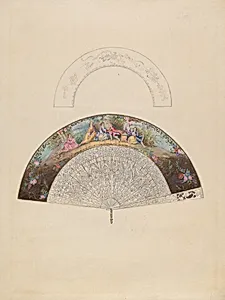
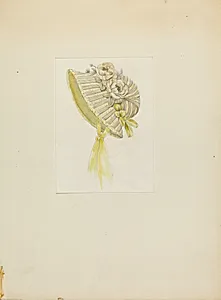
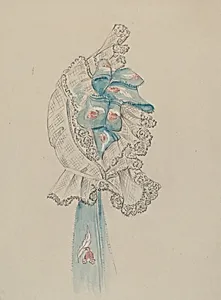
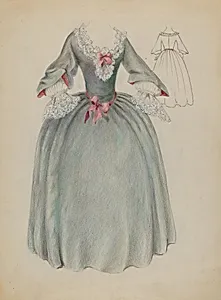
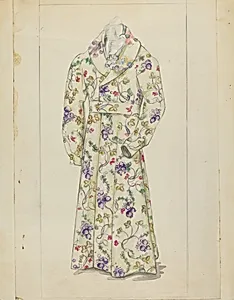
Benge's contributions to the Index encompass a variety of subjects drawn from the rich tradition of American domestic and personal material culture: fans, combs, dressing gowns, shoes, and other objects of dress and everyday use. Her works were executed in watercolor, graphite, and related media on paper, following the exacting documentary standards the Index required of its artists—standards demanding not only accurate transcription of the object's form and decoration but faithful rendering of its material surface, texture, and color. Works associated with her participation in the project date from the mid-1930s into the early 1940s.
The Index of American Design brought together artists of diverse backgrounds and training levels, united by their skill in precise observational drawing and their commitment to a documentary ideal. For many participants the project represented both economic sustenance during the Depression and an engagement with a kind of artistic labor—careful, object-centered, collaborative—that differed markedly from the individualist idioms then dominating fine-arts discourse. Benge's work on items of dress and personal adornment reflects the Index's attention to the often-overlooked artifacts of ordinary life.
Beyond her participation in the Index of American Design, detailed biographical information about Benge is not widely documented. Her surviving works in the National Gallery of Art's Index collection constitute the primary record of her artistic activity and her contribution to one of American history's most ambitious programs of cultural documentation.