Jim Goldberg, born in 1953 in New Haven, Connecticut, emerged as a pivotal figure in American documentary photography through his immersive, collaborative approach to capturing marginalized lives. He earned a BA in photography from Western Washington University in 1975 before studying at the San Francisco Art Institute under Larry Sultan, a conceptually oriented photographer whose influence shaped Goldberg's narrative-driven methods. Settling in the Bay Area, Goldberg immersed himself in long-term projects, teaching as Professor Emeritus at the California College of the Arts from 1987 to 2014, where he mentored emerging talents while honing his craft.
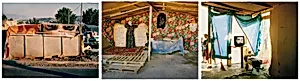
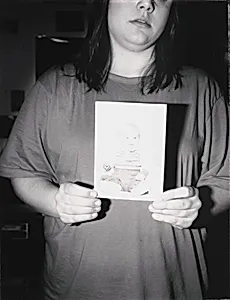
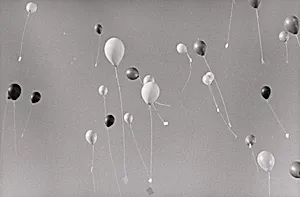
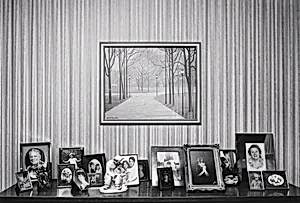
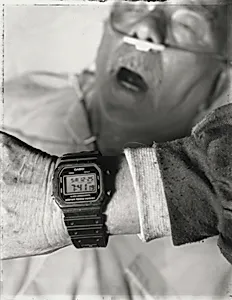
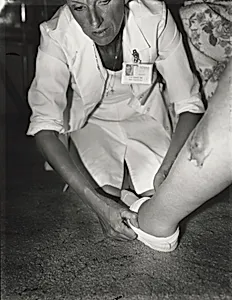
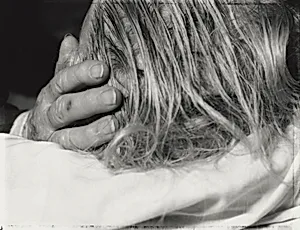
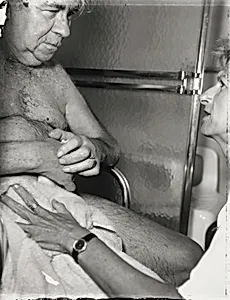
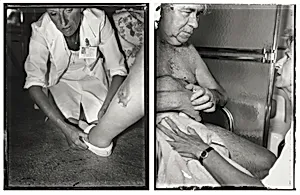
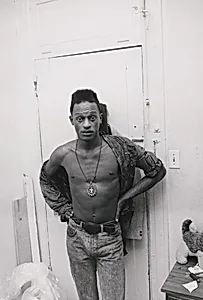
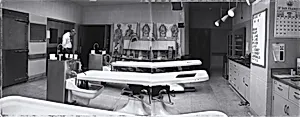
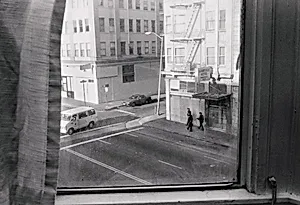
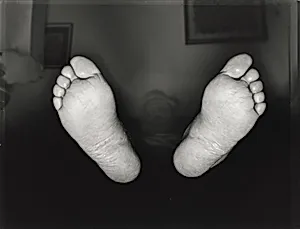
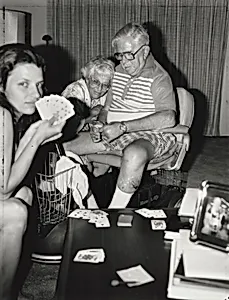
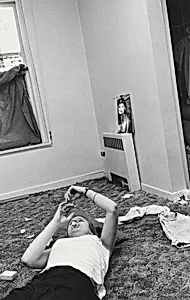
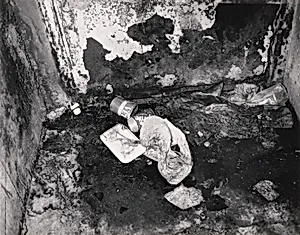
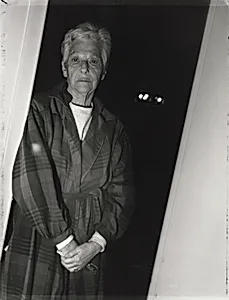
Goldberg's style belongs to the experimental documentary movement, blending cinéma vérité realism with innovative multimedia elements—often incorporating subjects' handwritten texts, drawings, and personal artifacts directly onto images to humanize the overlooked. His breakthrough, *Rich and Poor* (1977–1985), juxtaposed affluent and impoverished Bay Area residents in their homes, their own words revealing stark contrasts in aspiration and despair; the book, published in 1985 and expanded in 2014, became a landmark. This evolved in masterpieces like *Nursing Home* (1986), featuring elderly residents' annotations; *Raised by Wolves* (1985–1995), a raw chronicle of homeless youth later hailed as one of the 20th century's greatest photobooks; and *Open See* (2003–2009), documenting African migrants' perilous journeys with layered Polaroids and notes.
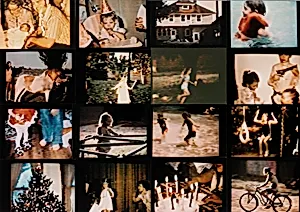
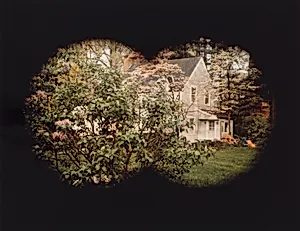
Joining Magnum Photos as an associate in 2002 and full member in 2006, Goldberg expanded into global narratives, producing works like *Candy* (2013–2017), a photo-novel on urban disillusionment, and the autobiographical *Coming and Going* (1996–2023). His accolades include three National Endowment for the Arts Fellowships, a 1985 Guggenheim, the 2007 Henri Cartier-Bresson Award, and the 2011 Deutsche Börse Prize. Today, living on a Sonoma farm with partner Alessandra Sanguinetti and their blended family—including daughter Ruby—Goldberg's oeuvre resides in prestigious collections like MoMA, SFMOMA, and the Whitney, cementing his legacy as a bridge between social witness and intimate storytelling, challenging viewers to confront universal myths of class and power.