Ctrl K
1566–1638
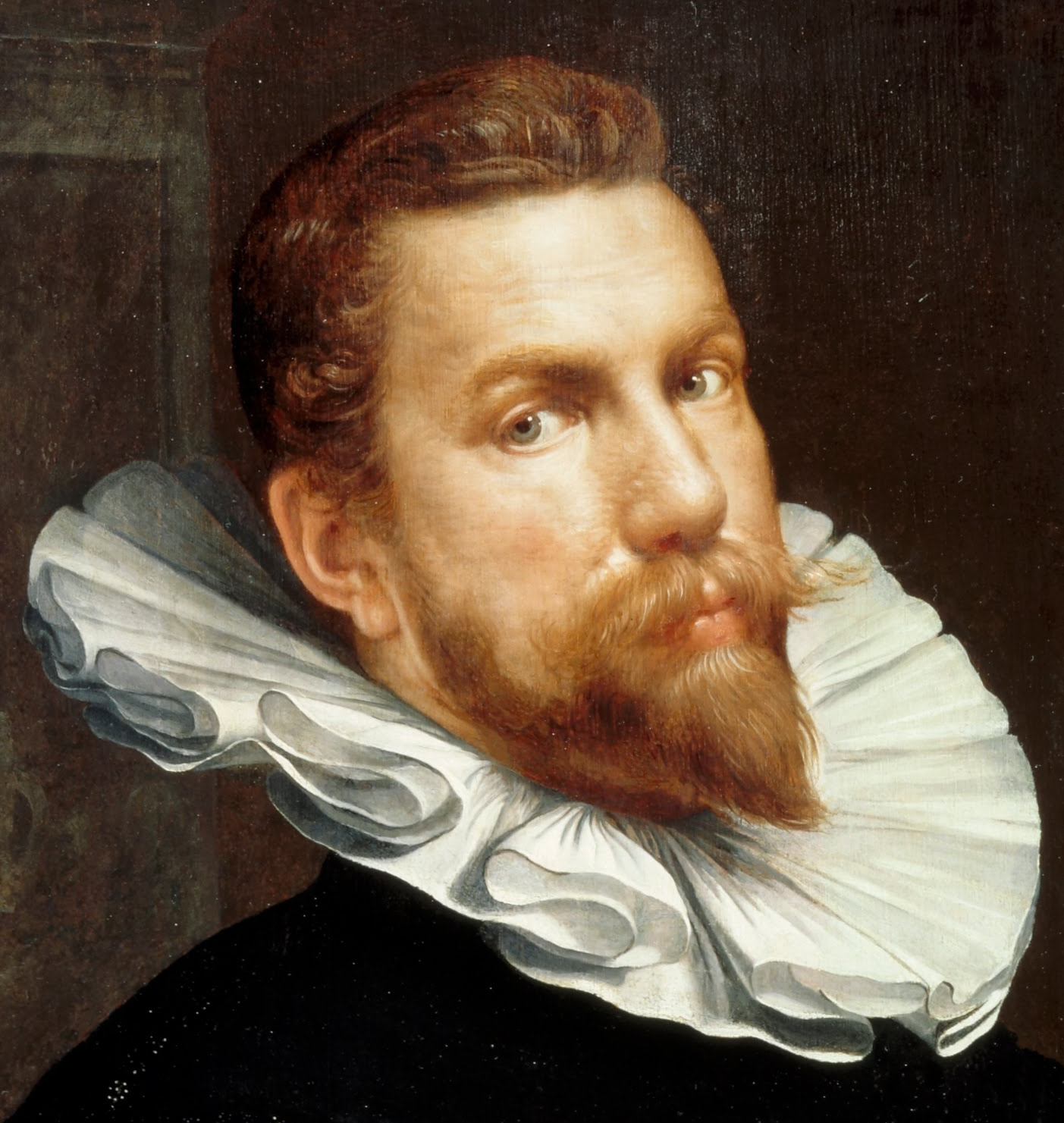
**Joachim Anthoniszoon Wtewael** (also spelled Uytewael; 1566–1638) was a Dutch Mannerist painter, draughtsman, and successful flax merchant who spent nearly his entire life in Utrecht. Born the son of Anthonis Jansz Wtewael, a glassmaker and glass painter who had settled in the city that same year, he initially trained in his father’s workshop as a glassmaker and engraver. He later studied under the Haarlem Mannerist Joos de Beer before embarking on travels to Italy (primarily Padua, near Venice) and France around 1586, returning to Utrecht by about 1590.
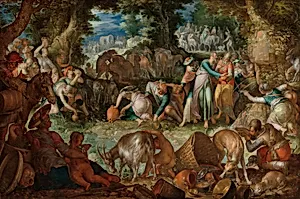
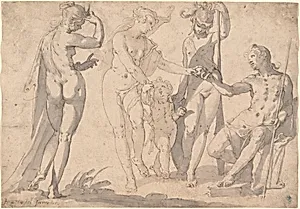
Wtewael became one of the foremost exponents of Northern Mannerism, remaining faithful to the late 16th-century Haarlem tradition of masterfully drawn, highly polished figures in capricious poses even as Dutch painting shifted toward naturalism during the Golden Age. He produced roughly a hundred paintings—ranging from large canvases and panels to numerous small, jewel-like cabinet pieces on copper—along with drawings, engravings, and designs for stained glass. A devout Calvinist and town councillor, he balanced his artistic output with a prosperous flax business and civic duties, including roles in the Dutch Reformed Church. His son Peter also became a painter.
His oeuvre features a mix of religious subjects and mythological scenes often imbued with eroticism, including repeated treatments of *The Adoration of the Shepherds*, *Mars and Venus Surprised by Vulcan*, *Lot and His Daughters*, and *The Wedding of Peleus and Thetis* (1612). Standout works include the large *Perseus and Andromeda* (Louvre), the *Self-Portrait* of 1601, and *The Golden Age* (Metropolitan Museum of Art), once owned by Emperor Rudolf II. He also revived kitchen scenes in the manner of Pieter Aertsen and painted family portraits in a more restrained style.
Wtewael’s distinctive, retardataire Mannerism exerted limited direct influence on later Utrecht artists, yet his refined technique and imaginative compositions have earned renewed appreciation. A major retrospective, *Pleasure and Piety: The Art of Joachim Wtewael (1566–1638)*, toured in 2015–16, highlighting his role as a bridge between late Mannerism and the emerging Dutch Golden Age. His works continue to enchant viewers with their polished surfaces, crowded compositions, and blend of ideal and realist elements.