Ctrl K
1490–1550
Johann Schönsperger the Younger, born around 1480 in Augsburg, was the son of the prominent printer Johann Schönsperger the Elder, with whom he apprenticed in the family trade. As a member of the Salzfertiger guild, he entered publishing around 1502, initially focusing on illustrated edification literature, medical texts, weather prognostications, and works by Erasmus in Augsburg. A notable early publication was Leonhard Reynmann's *Wetterbüchlein* in 1514, blending practical science with woodcut illustrations.
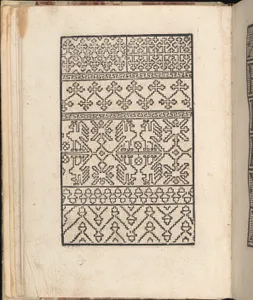
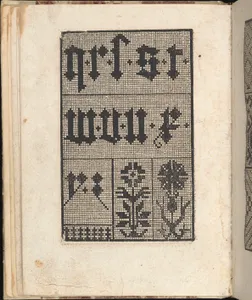
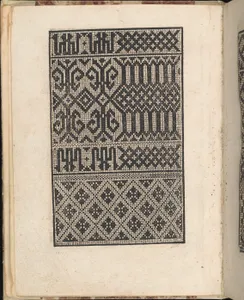
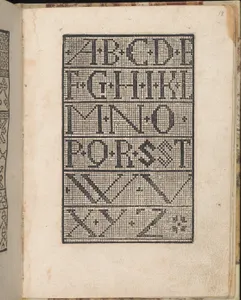
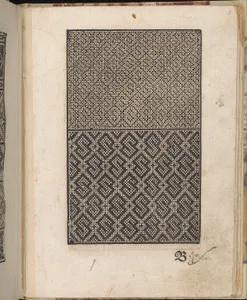
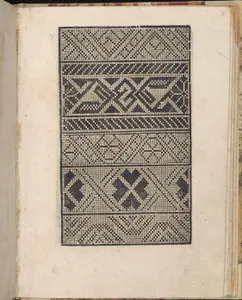
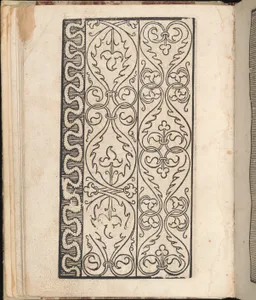
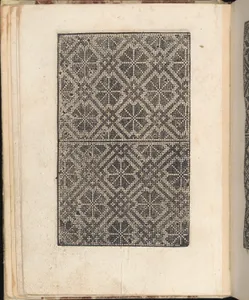
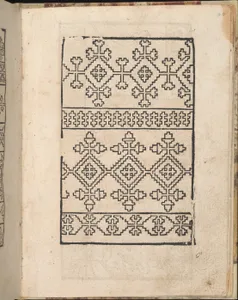
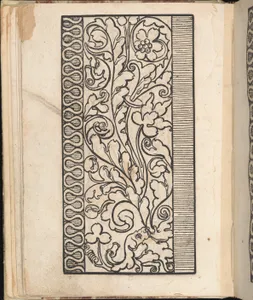
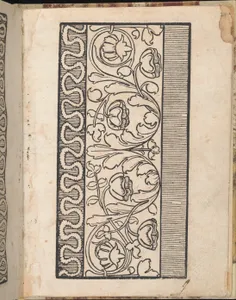
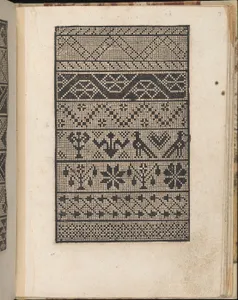
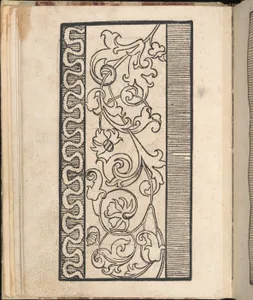
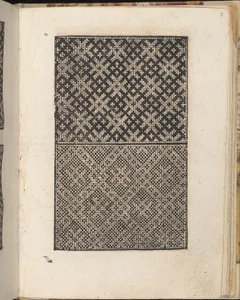
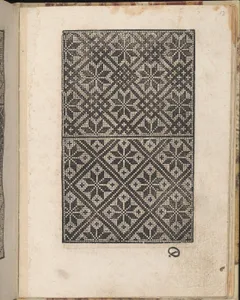
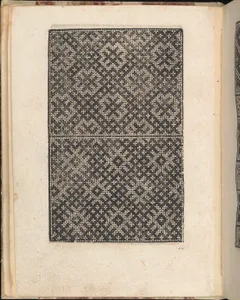
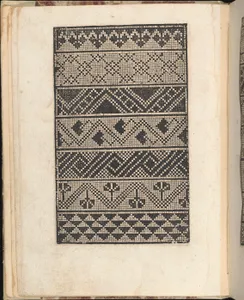
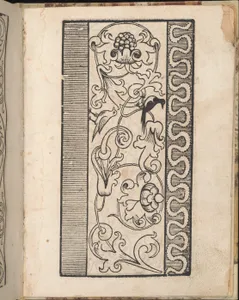
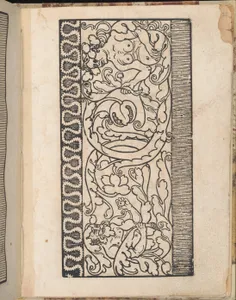
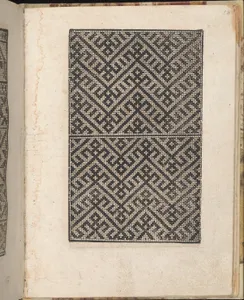
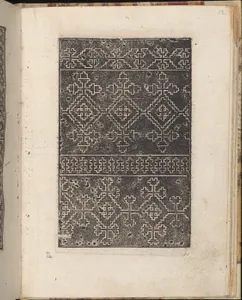
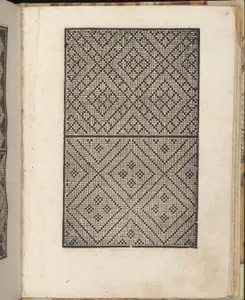
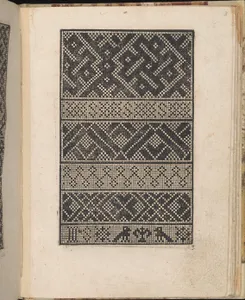
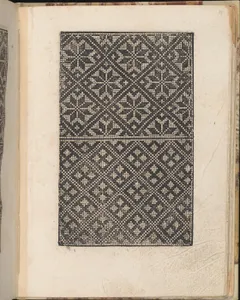
Schönsperger expanded his operations by opening a second press in Zwickau in 1523, where he produced reformist pamphlets amid the era's religious upheavals. His most celebrated contributions to art history are the *Modelbücher*—pattern books featuring intricate woodcut designs for textiles, embroidery, and weaving. Key works include *Ein new Modelbuch* (1524, Zwickau), with 29 pages of motifs; *Ein new getruckt model Büchli* (Augsburg), boasting 45 pages of patterns; and *Ein ney Furmbüchlein* (ca. 1525–29, Augsburg/Zwickau), containing 26 pages of versatile designs possibly linked to the Hopfer studio and later copied by others like Guentell. These affordable printed resources democratized ornamental patterns during the Renaissance, influencing craftspeople across Europe in creating lace, armor decoration, and fabrics.
Financial woes plagued Schönsperger: debts led to his arrest at the 1525 Leipzig Fair, exile from Zwickau, and eventual flight to Schwabmünchen in 1530, where he died in 1543. Despite his turbulent life and around 140 surviving imprints, his legacy endures in museum collections, such as the Metropolitan Museum of Art, where his pattern books preserve the geometric and floral motifs of early 16th-century German design. By bridging printing technology with applied arts, Schönsperger the Younger advanced the visual culture of the Reformation era, making sophisticated patterns accessible beyond elite workshops.