Ctrl K
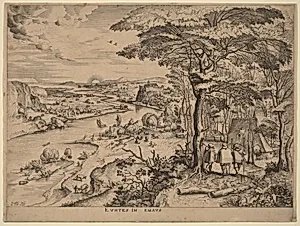
Johannes van Doetechum the Elder (c. 1528/1532–1605) and his brother Lucas van Doetechum (active 1554–1572, died before 1589) were pioneering Netherlandish engravers based in Antwerp, renowned for their collaborative reproductive prints that faithfully captured the inventive designs of leading artists. Born in Deventer, the brothers honed their craft in the bustling Antwerp print workshops, working closely with publishers like Hieronymus Cock's Aux Quatre Vents and Philips Galle. They developed a distinctive etching technique so refined it mimicked the precision of traditional engraving, allowing for intricate details in landscapes and genre scenes. Johannes later relocated to Deventer and then Haarlem around 1583 amid religious turmoil, continuing his output; he was father to fellow engravers Johannes II, Peter, and Baptista, extending the family legacy in printmaking.
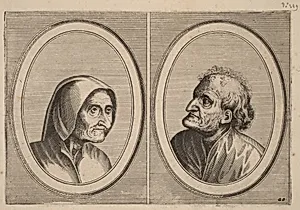
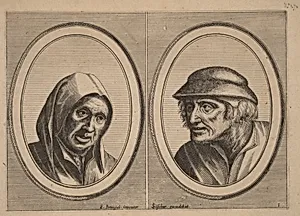
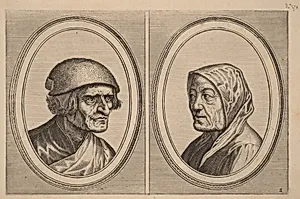
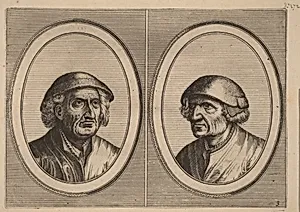
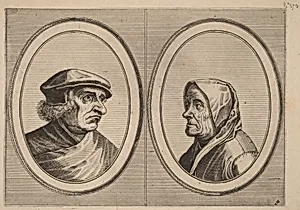
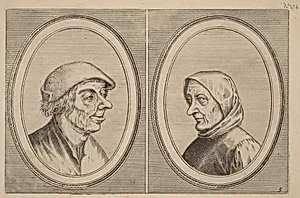
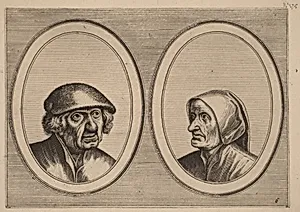
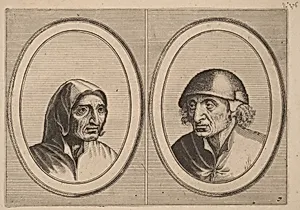
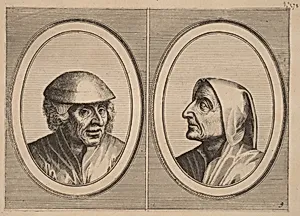
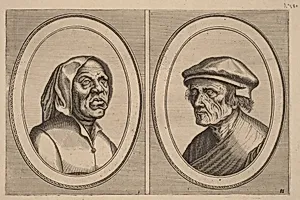
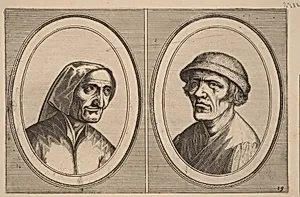
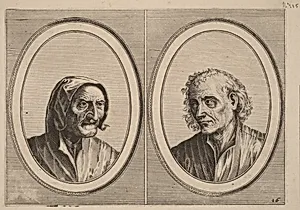
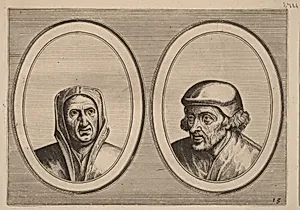
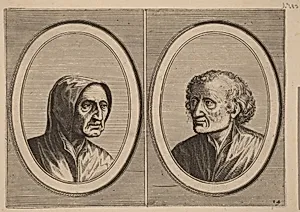
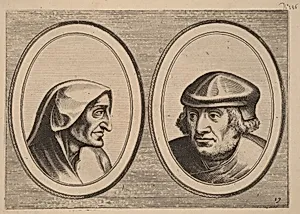
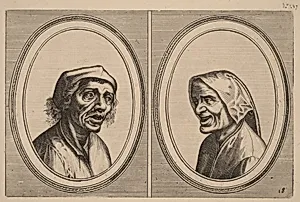
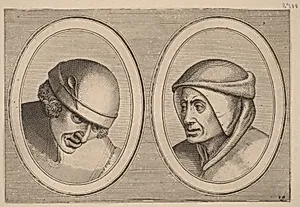
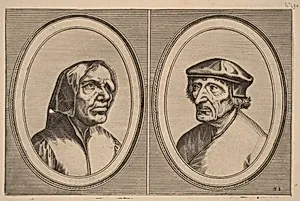
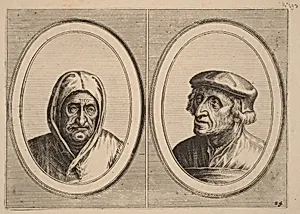
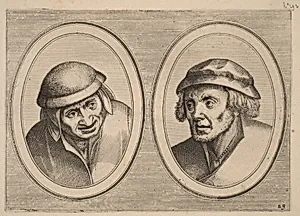
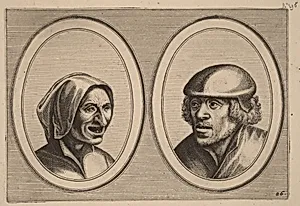
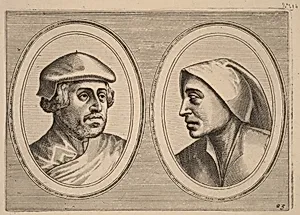
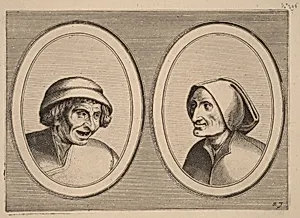
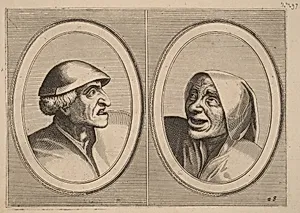
Their most celebrated contributions were the engravings after Pieter Bruegel the Elder, disseminating his panoramic visions of rural life and rugged terrain to a wider audience through affordable prints. Together, they produced the *Large Landscapes* series (c. 1555–1558), including *Alpine Landscape* (c. 1555/1557), *Large Alpine Landscape*, *Solicitudo Rustica* (Rustic Concerns), *S. Hieronymus in Deserto* (Saint Jerome in the Desert), and *Landscape with Pilgrims at Emmaus*. They also engraved Bruegel's genre scenes like *The Blue Cloak* and paired rustic figures such as *Aerdighe Kniertje* and *Onbekommerde Klaes* (c. 1564–1565). Beyond Bruegel, their oeuvre encompassed the *Small Landscapes* (1559–1561) after the Master of the Small Landscapes, perspective views after Hans Vredeman de Vries (1557–1568), Roman ruins, and Ovid's *Metamorphoses* (1572).
Operating in the vibrant Antwerp school tradition of reproductive printmaking, the van Doetechums bridged painting and popular dissemination, making Bruegel's earthy humanism accessible across Europe. Their technical innovations and prolific output—over 56 works after Bruegel alone in major collections—cemented their legacy as vital intermediaries in Northern Renaissance art, preserving and amplifying the master's witty observations of peasant life and sublime nature for generations.