1688–1776
Occupations
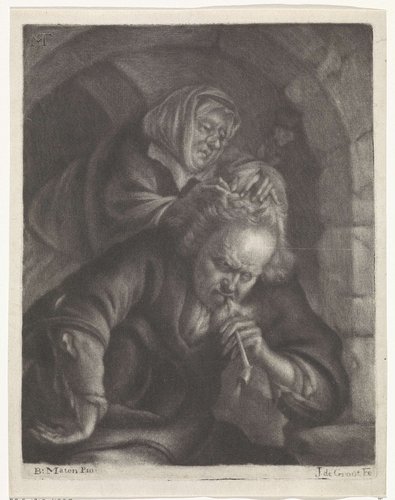
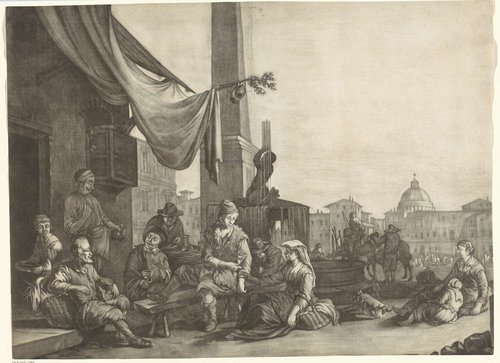
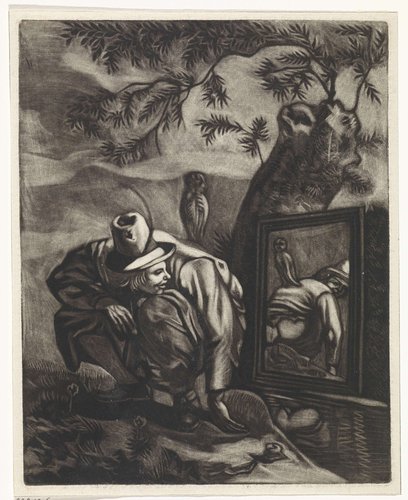
Johannes de Groot (II) (1688–1776) was a Dutch engraver active during the eighteenth century, working primarily in Amsterdam during a period when Dutch printmaking maintained high technical standards while serving increasingly diverse markets. As the designation '(II)' suggests, he was part of an artistic lineage, distinguishing him from other engravers named Johannes de Groot. His long career, spanning much of the eighteenth century, saw him create portraits, anatomical illustrations, and reproductive engravings after works by other artists, demonstrating the versatility required of professional engravers in this period.
Johannes de Groot (II) worked during a period when the Dutch Republic, while no longer enjoying the economic and artistic dominance of its Golden Age, maintained significant cultural production. Amsterdam remained an important center for publishing and printmaking, with demand for illustrated books, portraits, scientific illustrations, and reproductive prints sustaining a community of skilled engravers.
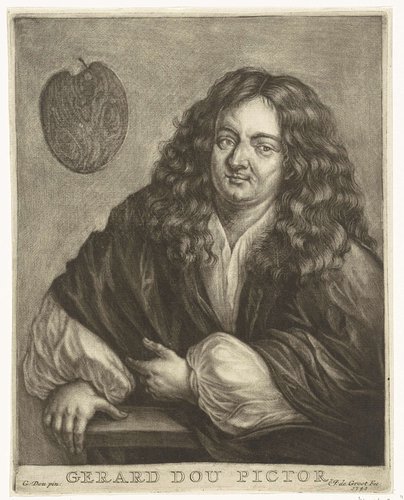
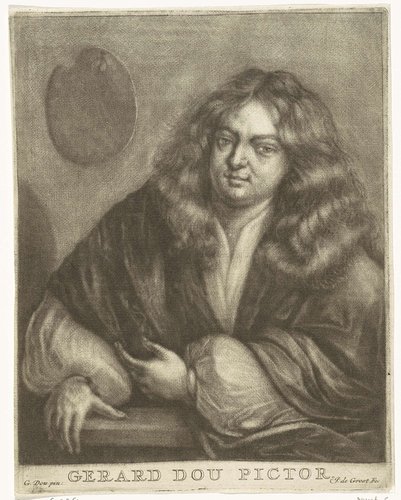
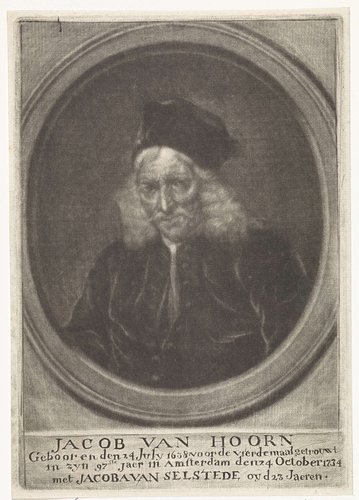
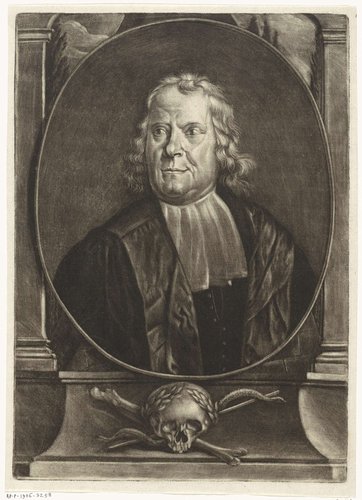
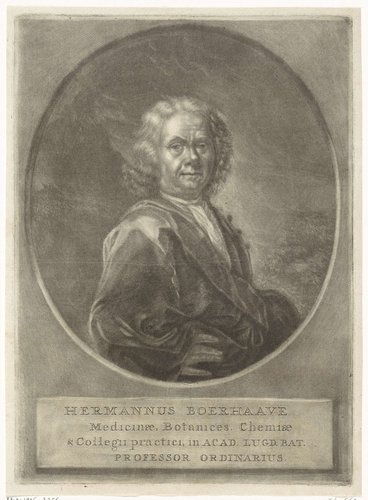
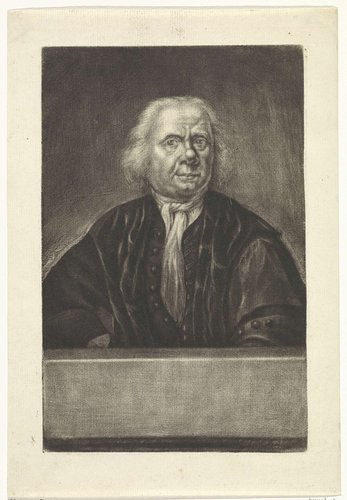
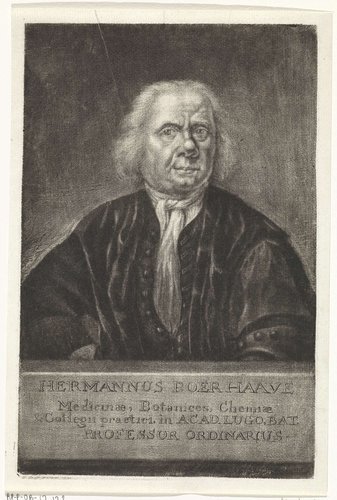
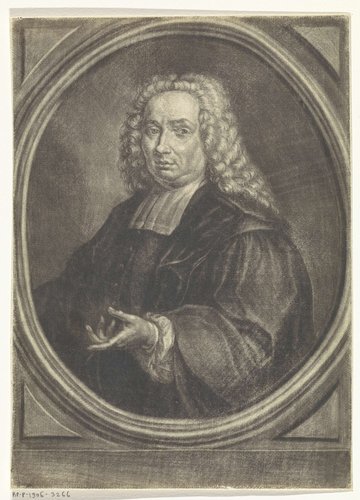
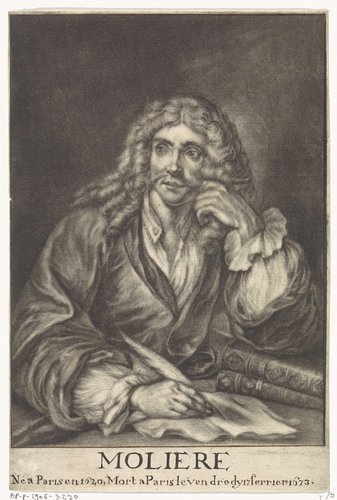
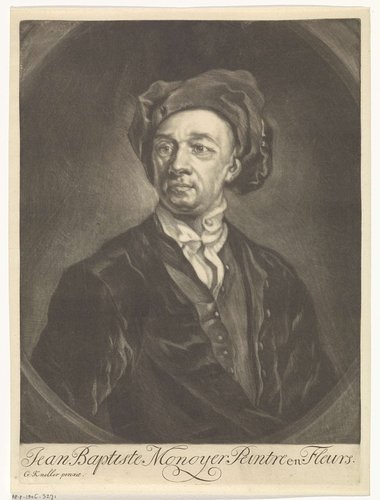
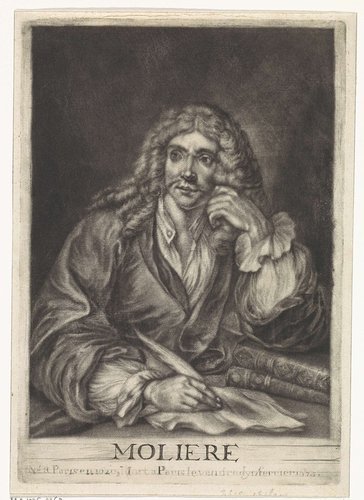
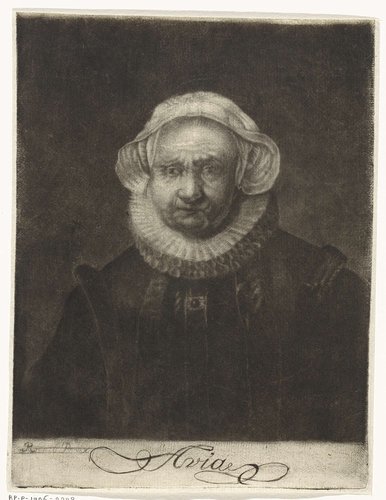
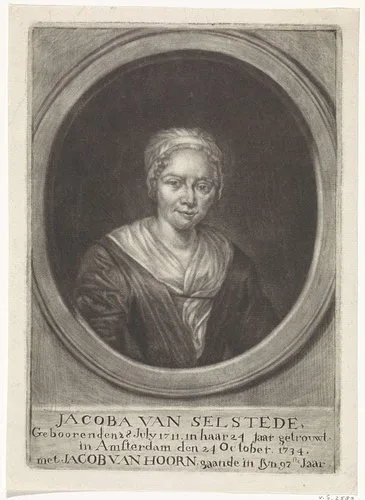
De Groot's work encompassed multiple genres typical of eighteenth-century Dutch engraving. He created portraits, including a portrait of Johannes Jacobus Vitriarius after a painting by Hieronymus van der Mij. Such commissioned portraits served important social functions, commemorating distinguished individuals and circulating their likenesses among family, colleagues, and admirers. The ability to create effective portrait engravings that captured both physical likeness and social status was a crucial skill for professional engravers.
Particularly notable among De Groot's works are his anatomical engravings, which demonstrate the continued importance of printmaking for scientific and medical education. One documented example is an 'Anatomical Representation of a Man Stabbing Himself in the Side with a Dagger,' a work that combines scientific illustration with dramatic subject matter. Anatomical prints served crucial pedagogical functions in an era when medical students had limited access to cadavers for study, and effective anatomical illustration required both artistic skill and scientific understanding.
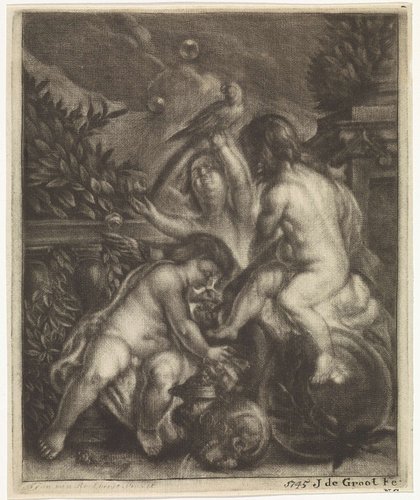
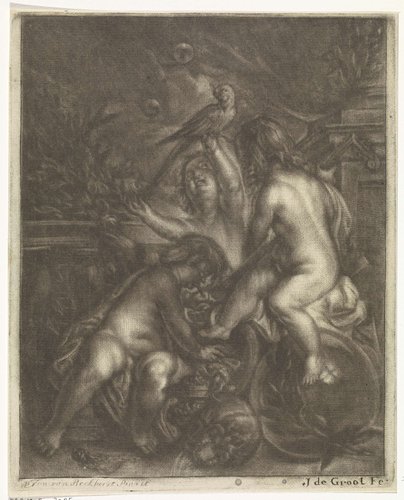
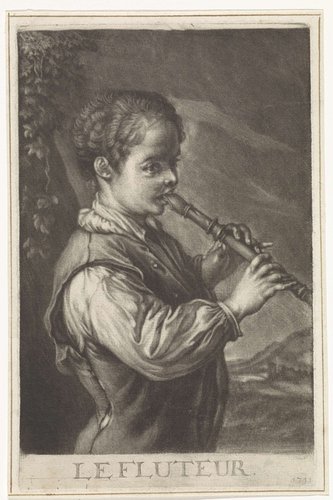
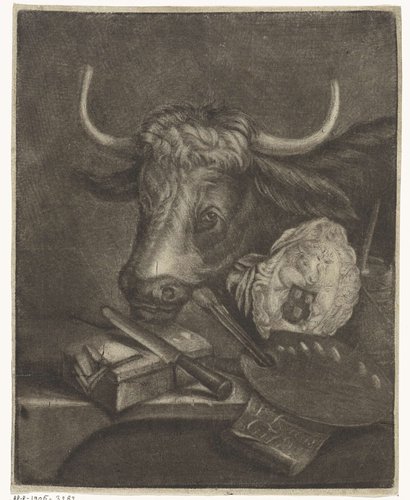
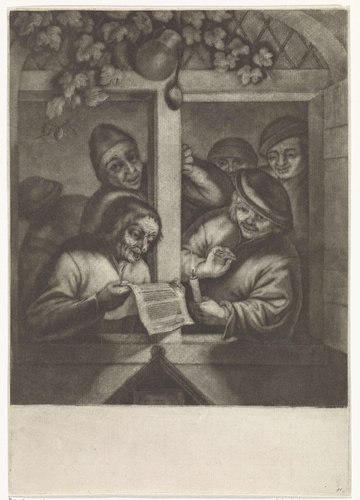
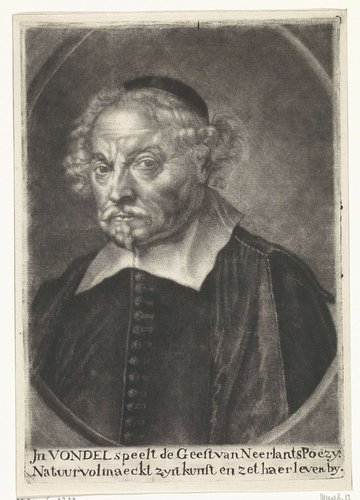
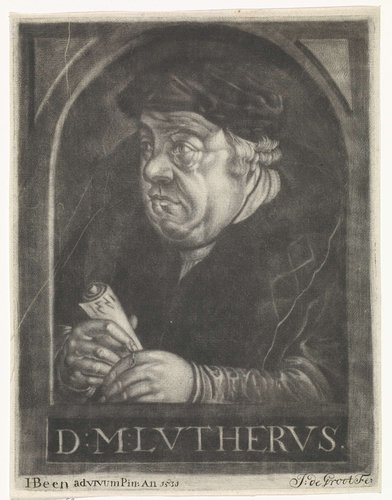
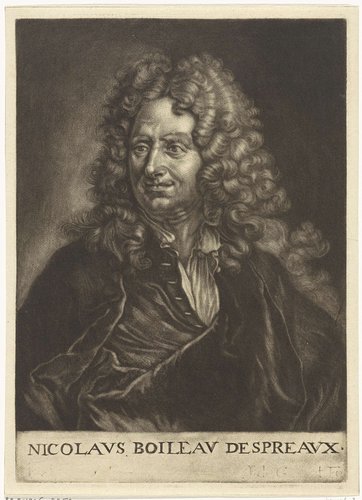
De Groot worked in various engraving techniques, including mezzotint and line engraving. Mezzotint, a relatively newer technique developed in the seventeenth century, allowed for rich tonal effects through a laborious process of roughening and then selectively smoothing a copper plate. Line engraving, the traditional copperplate technique, involved incising lines directly into the plate with a burin. Mastery of multiple techniques allowed engravers to select the most appropriate method for each subject.
The Rijksmuseum in Amsterdam holds several works by Johannes de Groot (II) in their collection, including prints dated throughout his long career from 1698 to 1776. This span of dates, covering seventy-eight years, raises questions about whether they represent his birth and death dates or his active working period. The museum's holdings demonstrate the range of his production and the consistent technical quality he maintained throughout his career.
Artheon Research Team
Last updated: 2025-11-09
Biography length: ~537 words
Wikidata (CC0)