John Cage (1912–1992), born in Los Angeles to inventor John Milton Cage Sr. and journalist Lucretia "Crete" Harvey, an amateur artist, initially explored painting during travels in Europe in 1930 but soon pivoted to music. His early visual pursuits were sparsely documented, yielding no surviving works, as feedback favored his compositions. He married artist Xenia Andreyevna Kashevaroff, a bookbinder, sculptor, and collagist, in 1935 (divorced 1945), and later partnered with choreographer Merce Cunningham, blending art forms in collaborations. Cage's mature visual art emerged in 1969 amid arthritis limiting performance, applying musical chance operations—I Ching-derived—to prints, drawings, and multimedia at workshops like Crown Point Press from 1978.
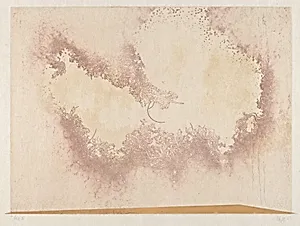
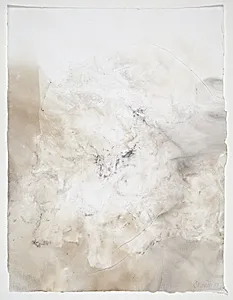
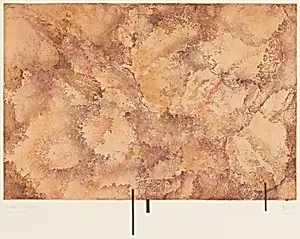
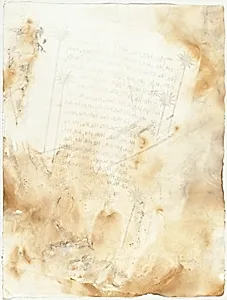
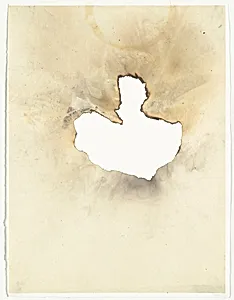
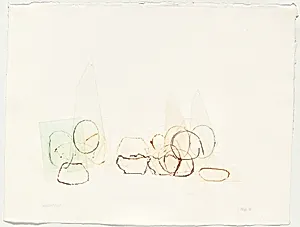
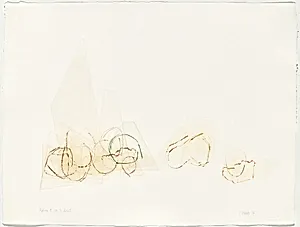
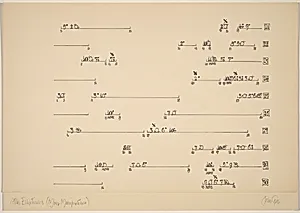
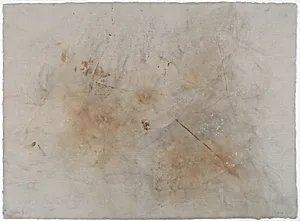
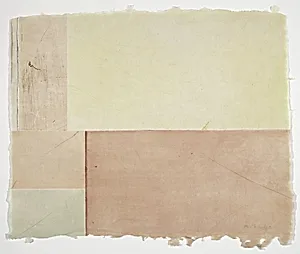
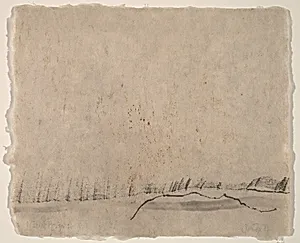
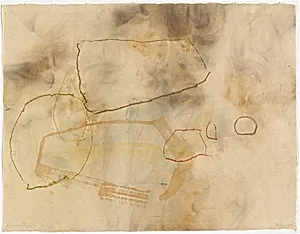
Cage's style embodied indeterminacy, drawing from Duchamp, Zen Buddhism, and nature, producing abstract, process-driven works like plexigrams, smoke monotypes, stone washes, and aquatints on unconventional papers. He aligned with Fluxus and Conceptual Art through aleatory methods, eschewing authorial intent for environmental harmony. Major pieces include *Not Wanting to Say Anything About Marcel* (1969, lithographs and plexigrams); *Seven Day Diary (Not Knowing)* (1978, etchings drawn eyes-closed); *Score Without Parts (40 Drawings by Thoreau): Twelve Haiku* (1978); *Changes and Disappearances* (1979–82); *Dereau* (1982, engravings); *Ryoanji* (1983, drypoints); *EninKa* (1986, smoke monotypes); and late watercolors (1988–90) at Mountain Lake Workshop, plus stone series like *75 Stones* (1989).
Cage's visual output, exceeding dozens of editions, extended his musical revolution into art, influencing Fluxus happenings, performance, and chance-based practices by Rauschenberg, Johns, and Kaprow. His prints—smoldering with fire, stones, and haze—celebrate purposeless beauty, cementing a legacy where art mirrors life's ambient symphony.

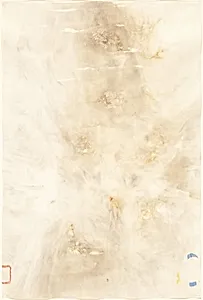
![Global Village 37-48 [bottom]](https://images.artheonmuseum.org/nga/thumb/global-village-37-48-bottom-nga-98121.webp)
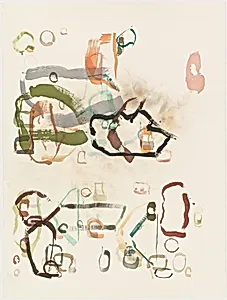
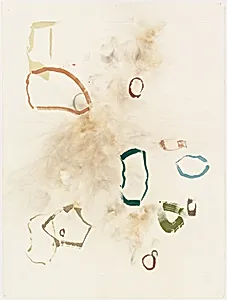
![Global Village 1-36 [top]](https://images.artheonmuseum.org/nga/thumb/global-village-1-36-top-nga-97455.webp)
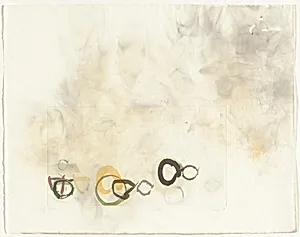
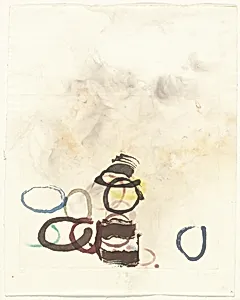
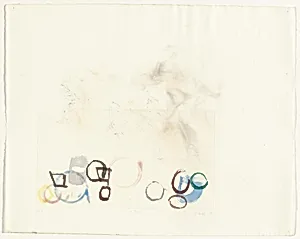
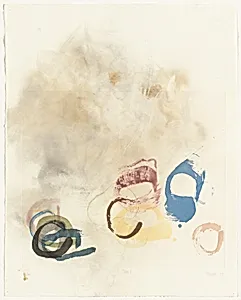
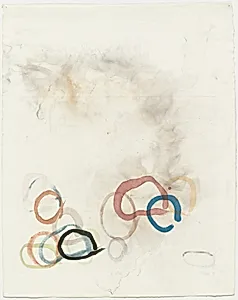
![Global Village 1-36 [bottom]](https://images.artheonmuseum.org/nga/thumb/global-village-1-36-bottom-nga-98122.webp)
![Global Village 1-36 [bottom]](https://images.artheonmuseum.org/nga/thumb/global-village-1-36-bottom-nga-98116.webp)
![Global Village 37-48 [top]](https://images.artheonmuseum.org/nga/thumb/global-village-37-48-top-nga-97457.webp)