Ctrl K
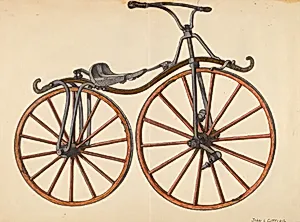
1855
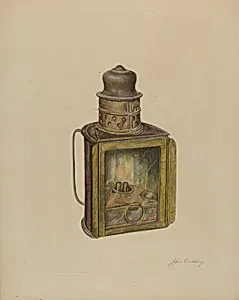
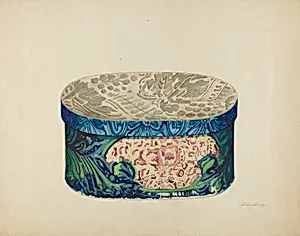
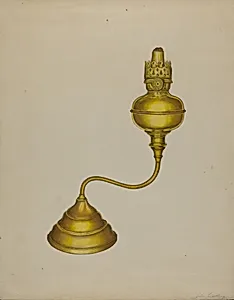
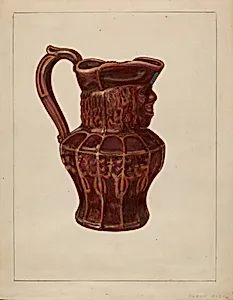
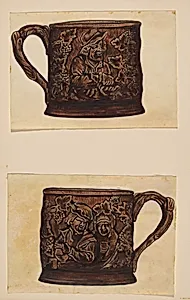
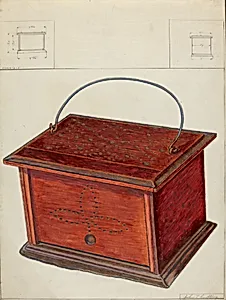
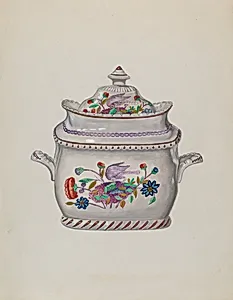
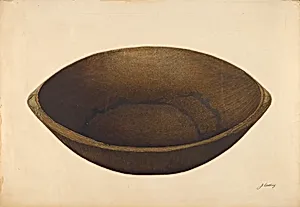
John Cutting was an American artist active circa 1935–1941, best known for his contributions to the Index of American Design, a landmark Works Progress Administration (WPA) Federal Art Project. This initiative employed more than a thousand artists nationwide to produce a comprehensive visual record of American decorative arts, folk crafts, and everyday objects from the colonial era through the nineteenth century. Cutting created at least twenty-five highly detailed watercolor renderings that now form part of the National Gallery of Art’s collection, embodying the project’s dual aims of providing Depression-era employment and preserving a uniquely American aesthetic.
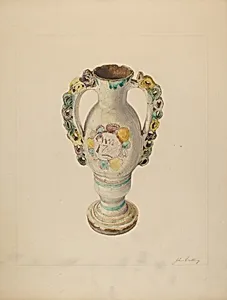
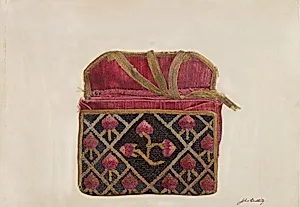
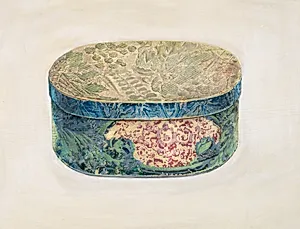
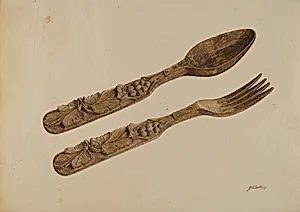
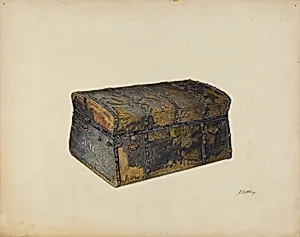
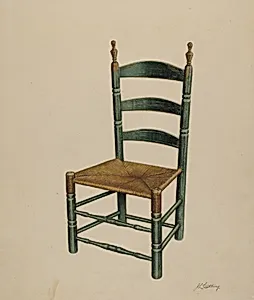
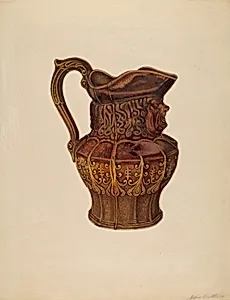
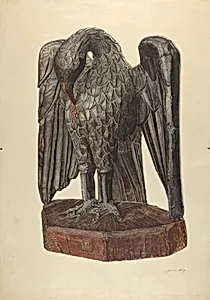
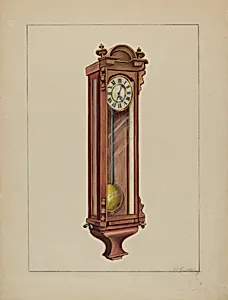
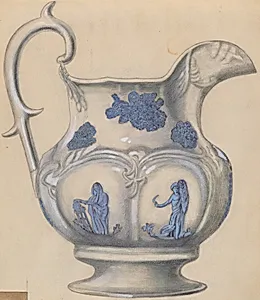
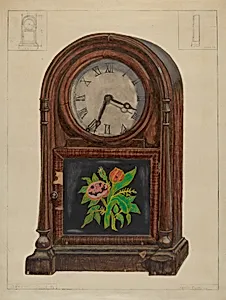
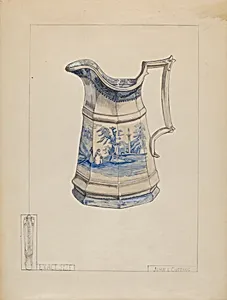
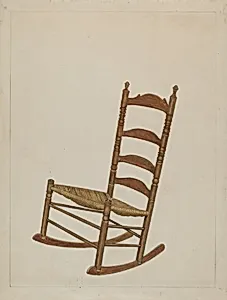
Little is documented about Cutting’s early life or artistic training, a common circumstance among the many commercial and unemployed artists hired for New Deal programs. His surviving works, however, demonstrate exceptional skill in capturing the material qualities of objects—the luster of glazed ceramics, the grain of wood, the weave of textiles—through combinations of watercolor, gouache, graphite, colored pencil, and pen and ink on paperboard. Representative pieces include a Pitcher of circa 1936, a Wall Clock of circa 1937, a Toby Mug of 1938, a Ladder-Back Chair and Leather-Covered Trunk of circa 1939, a Wooden Spoon and Fork of circa 1939, and a Vase of circa 1941. These plates also encompass folk carvings such as a Hand-Carved Pelican and personal items like a Wool Pocketbook and Toilette Box.
Directed by Holger Cahill, the Index sought both to document historical American design and to inspire contemporary makers. Cutting’s meticulous technique recorded even minute details of construction, wear, and ornament, transforming utilitarian objects into objects of study. His plates of household furnishings, lighting devices, and carved figures contribute to an encyclopedic survey that remains a primary resource for historians of American material culture.
Today Cutting’s twenty-five watercolors stand as a quiet yet enduring legacy of New Deal cultural policy. They continue to serve scholars, designers, and the public at the National Gallery of Art, illustrating how government-sponsored art could simultaneously relieve unemployment and create a lasting national archive of handmade America.