Ctrl K
1855
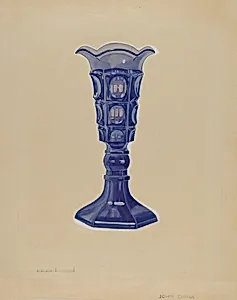
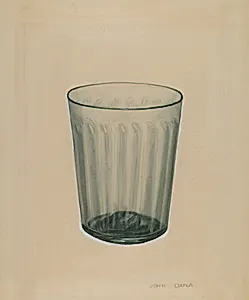
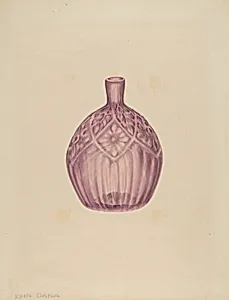
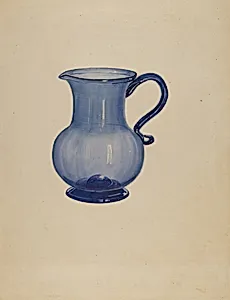
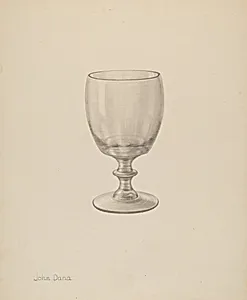
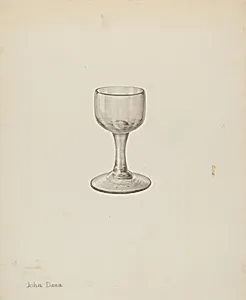
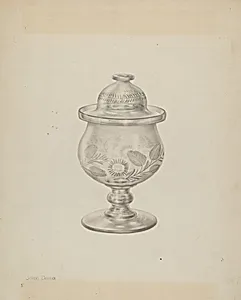
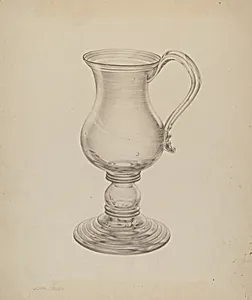
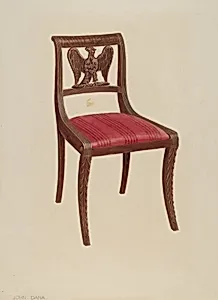
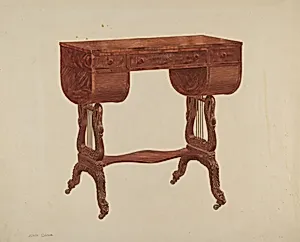
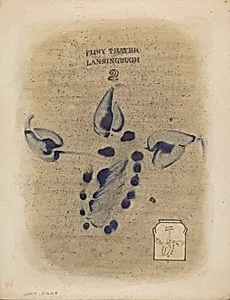
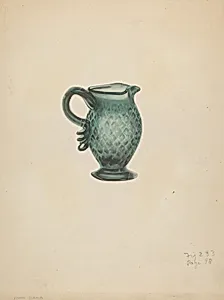
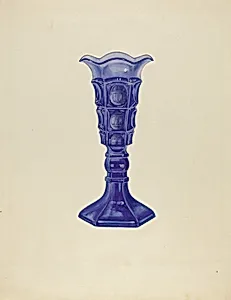
**John Dana** (American, active c. 1935) was a meticulous draftsman whose artistic legacy is inextricably linked to the Index of American Design, a landmark Works Progress Administration (WPA) project launched during the Great Depression to catalog and celebrate the nation's folk art and craftsmanship. Operating primarily out of the New York City project, Dana produced hundreds of precise renderings that captured the utilitarian beauty of everyday objects, transforming humble household items into emblems of American ingenuity. His early life and artistic training remain sparsely documented, with no records of specific mentors, schools, or formal education surfacing in historical sources—a testament to the often anonymous contributions of WPA artists.
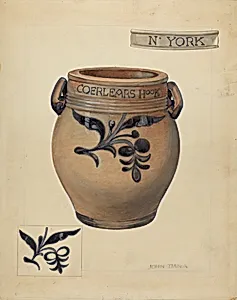
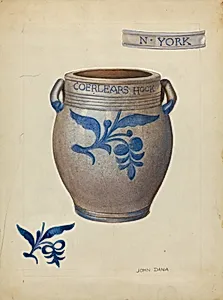
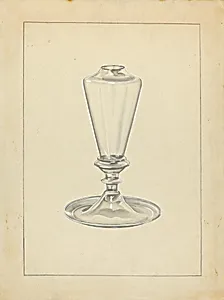
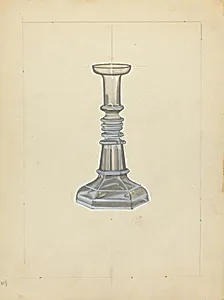
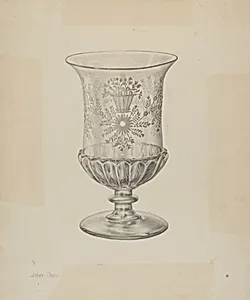
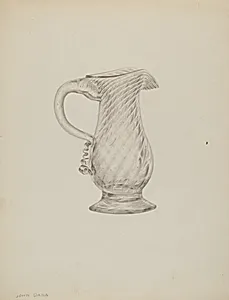
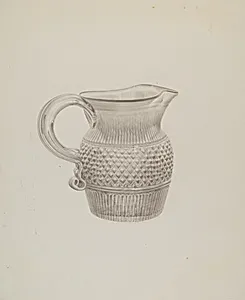
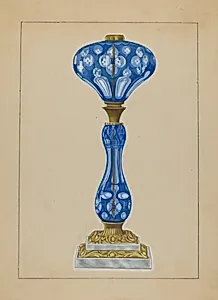
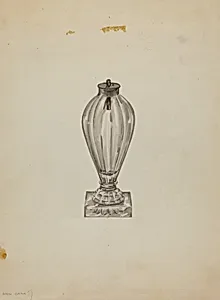
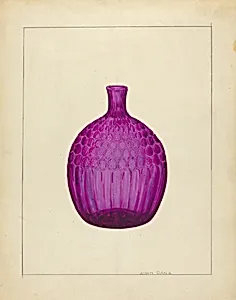
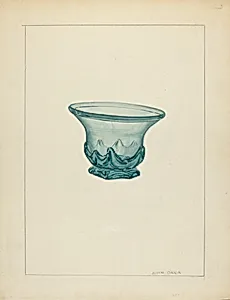
Dana's oeuvre, comprising over 128 works in the National Gallery of Art's collection alone, exemplifies the Index's ethos of hyper-detailed, objective documentation. Working in watercolor, graphite, gouache, and occasionally pen and ink on paperboard, he rendered ceramics, glassware, and metalwork with clinical accuracy yet subtle artistry, highlighting textures, forms, and historical significance. Notable examples include *Stoneware Jar* (c. 1953), a robust earthenware vessel; *Candlestick* (c. 1938), evoking colonial simplicity; *Spark Lamp* (c. 1938); *Candle Lantern* (c. 1940, in collaboration with Nicholas Amantea); and *Decanter* (1935–1942), among pitchers, bowls, vases, mugs, and cruets dated from 1935 to 1942. These pieces, often measuring around 28–36 cm, emphasize functional design—flat forms, decorative rims, and practical motifs—mirroring mid-20th-century European influences adapted to American contexts.
Though not aligned with a singular artistic movement, Dana worked in the realist tradition of the Index, prioritizing preservation over personal expression and bridging industrial design with fine art. His renderings helped safeguard vanishing crafts against modernization, influencing postwar appreciation for vernacular aesthetics. Today, Dana's comprehensive visual archive endures in major institutions like the NGA, offering invaluable insight into America's material culture and the WPA's role in democratizing art history. (312 words)