Ctrl K
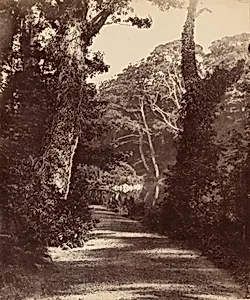
1810–1882
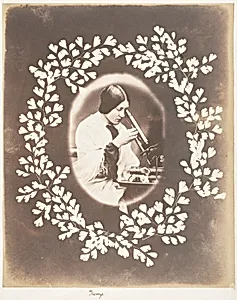
John Dillwyn Llewelyn (1810–1882) was a pioneering Welsh photographer and botanist whose innovative images captured the dramatic landscapes of his Penllergare estate and the Welsh coast. Born on 12 January 1810 in Swansea as the eldest son of botanist Lewis Weston Dillwyn and Mary Dillwyn, he inherited the Penllergare estate from his maternal grandfather, Colonel John Llewelyn, upon coming of age and adopted the additional surname Llewelyn. Privately educated and immersed in scientific circles through his father—who hosted luminaries like Michael Faraday—he developed early interests in botany and astronomy, constructing the first private orchid house in Britain and later an observatory. In 1833, he married Emma Thomasina Talbot, a cousin of William Henry Fox Talbot, linking him to the inventor of the calotype process; their children included astronomer Thereza Dillwyn Llewelyn and politician John Talbot Dillwyn Llewelyn, while his sister Mary Dillwyn became one of Wales's earliest female photographers.
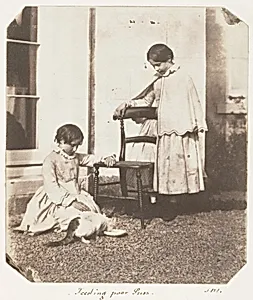
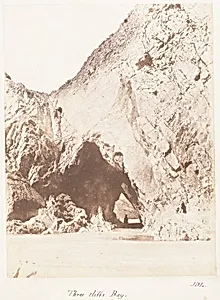
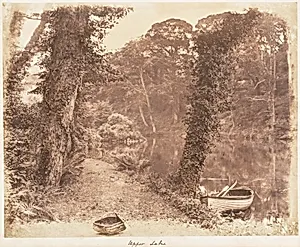
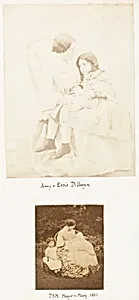
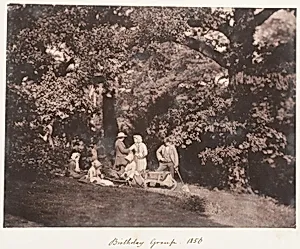
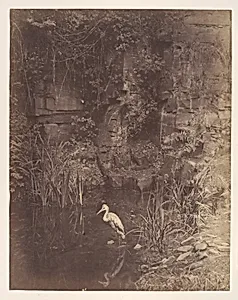
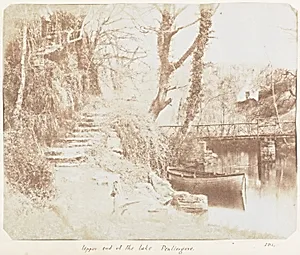
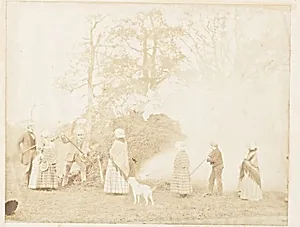
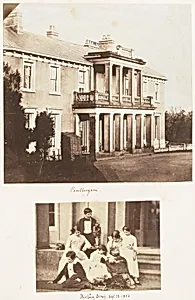
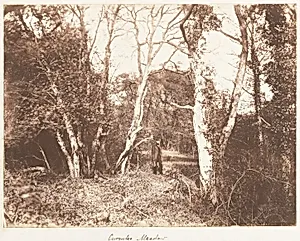
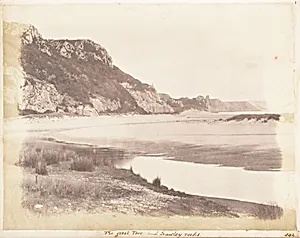
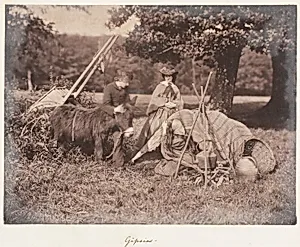
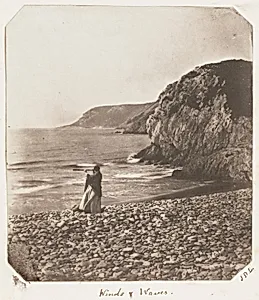
Llewelyn embraced photography almost immediately after Talbot and Daguerre announced their processes in 1839, producing some of the earliest surviving photogenic drawings, cliché verre, and a daguerreotype dated 1840, encouraged by his Talbot relatives. Self-taught through relentless experimentation, he initially struggled with technical challenges and paused until the 1850s, when he mastered calotypes and wet collodion negatives, creating thousands of images focused on nature's fleeting moments—crashing waves, scudding clouds, and billowing steam. His style emphasized motion and atmospheric effects, often around Penllergare, as in *Penllergare; Printing* (1853–56) and *The Heron* (1853–56), alongside coastal scenes and family portraits like annual birthday picnics of his children.
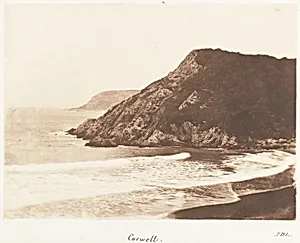
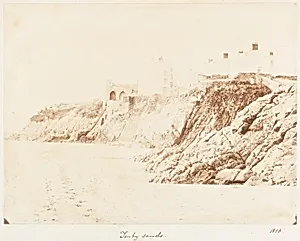
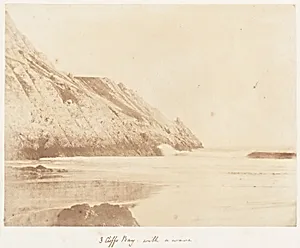
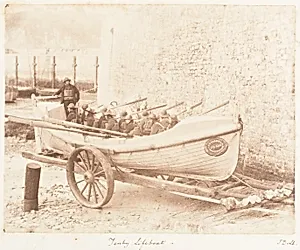
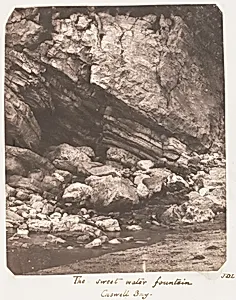
A founding council member of the Photographic Society of London (later the Royal Photographic Society) in 1853, Llewelyn exhibited widely, earning a silver medal at the 1855 Paris Exposition Universelle for his groundbreaking 'Motion' series—depicting breaking waves at Caswell Bay, a sailing ship, the steamer *Juno* at Tenby, and clouds over St. Catherine's. He invented the oxymel process in 1856, using honey, water, and acetic acid to stabilize collodion negatives for days, revolutionizing landscape photography by eliminating the need for portable darkrooms. His legacy endures as a Welsh pioneer whose work, held in institutions like the National Museum Wales and the Metropolitan Museum of Art, illuminated the calotype era's poetic potential, amplified by his family's photographic tradition.
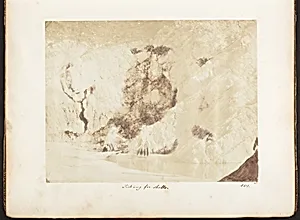
![Lanelay; [Untitled]](https://images.artheonmuseum.org/met/ph/thumb/lanelay-untitled-287951.webp)
![[Two Women, One Kneeling and One Standing, Looking into Basket Filled with Vegetables]](https://images.artheonmuseum.org/met/ph/thumb/two-women-one-kneeling-and-one-standing-looking-into-basket-filled-with-vegetabl-287901.webp)