Ctrl K
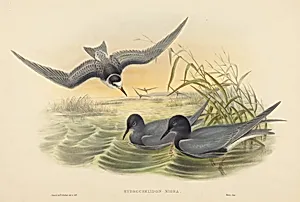
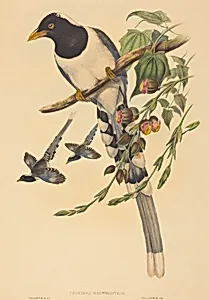
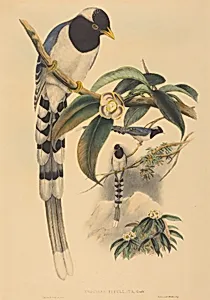
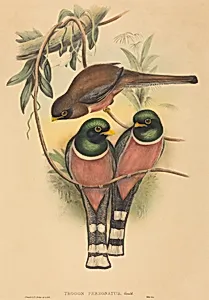
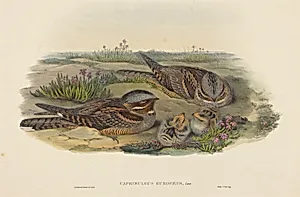
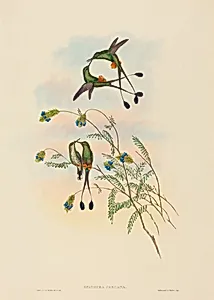
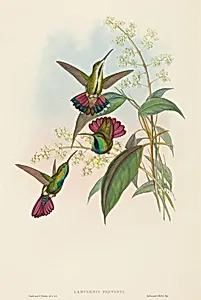
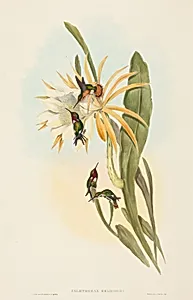
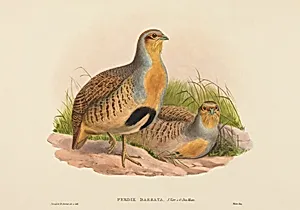
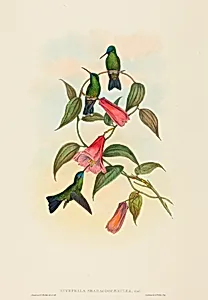
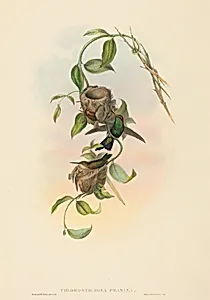
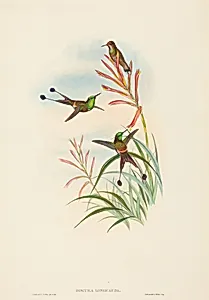
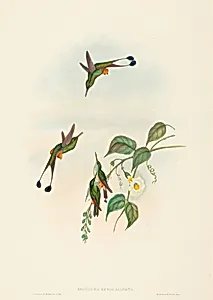
John Gould (1804–1881) and Henry Constantine Richter (1821–1902) formed one of the most productive and celebrated partnerships in the history of natural history illustration. Gould, an English ornithologist and publisher of extraordinary ambition, built a career on the production of lavishly illustrated folio volumes documenting the birds of Britain, Europe, Australia, Asia, and the Americas. Though Gould himself drew and conceived many of his compositions, he relied heavily on skilled artists to execute the finished lithographic plates that made his publications so visually magnificent.
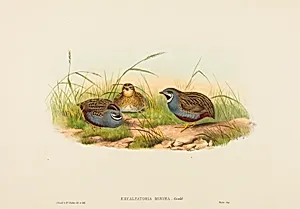
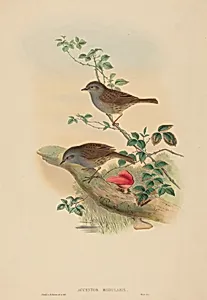
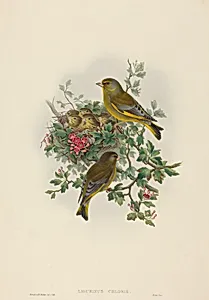
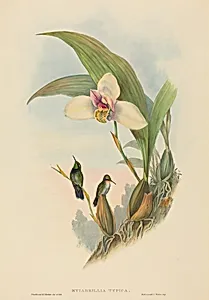
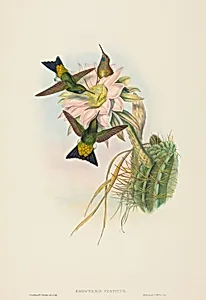
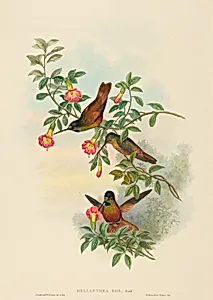
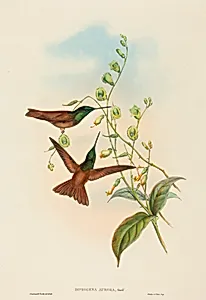
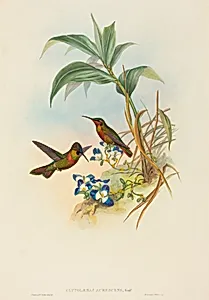
Richter was the most important of these collaborators, working closely with Gould for several decades and producing the majority of the plates in some of Gould's most celebrated works, including the multi-volume The Birds of Australia and The Birds of Great Britain. Richter possessed a refined ability to render feather texture, coloration, and posture with scientific accuracy while simultaneously achieving images of genuine aesthetic beauty. His work is distinguished by its compositional elegance and the sensitivity with which it places birds within convincingly natural settings.
The collaboration between Gould and Richter exemplifies the interconnected nature of Victorian natural history publishing, where scientific ambition, artistic skill, and commercial enterprise combined to produce objects of enduring value. Gould provided the ornithological knowledge, the institutional connections, and the entrepreneurial drive; Richter provided the sustained artistic labor that translated field observations and specimens into the images that made Gould's books famous across Europe and the English-speaking world.
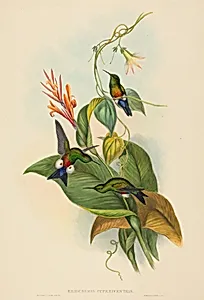
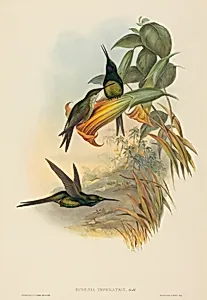
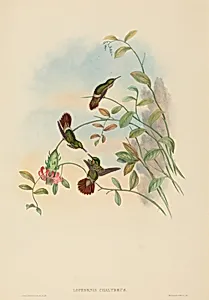
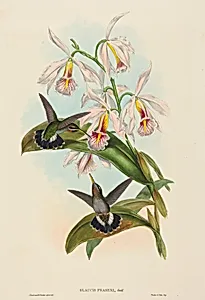
Today, plates from Gould's publications — the majority of which were drawn or finished by Richter — are among the most sought-after works in the field of natural history illustration. They occupy an honored place in the history of both scientific publishing and decorative art, and the partnership that produced them remains a benchmark of collaborative achievement in Victorian visual culture.