Ctrl K
1855
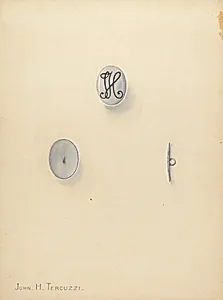
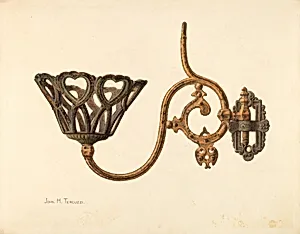
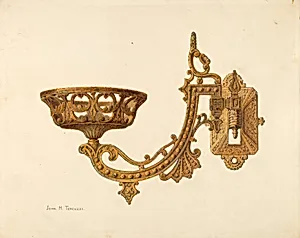
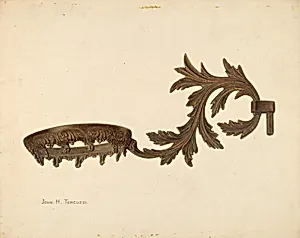
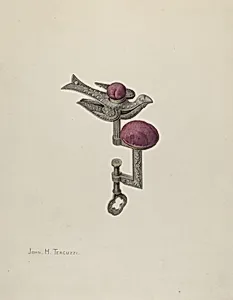
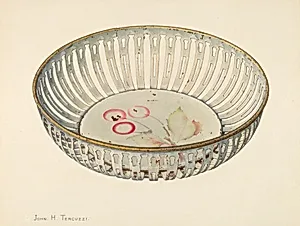
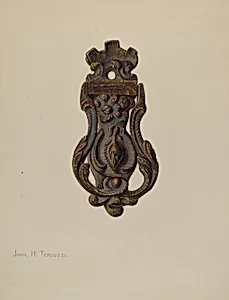
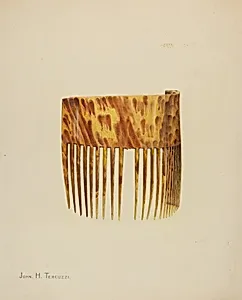
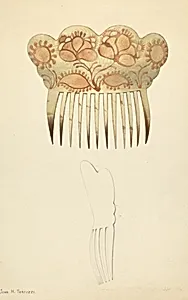
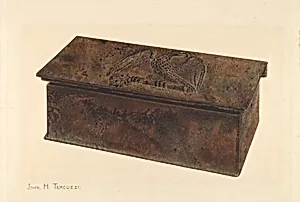
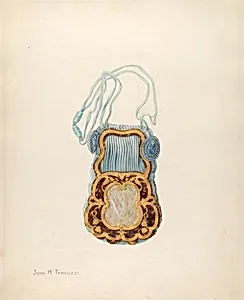
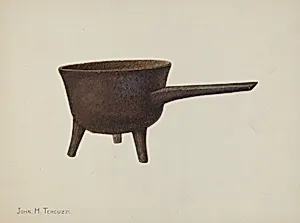
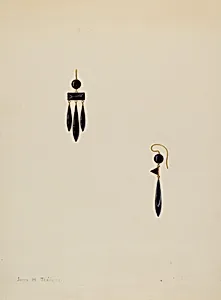
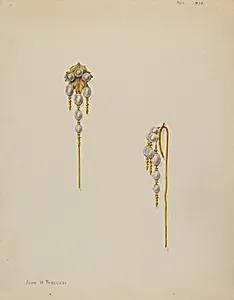
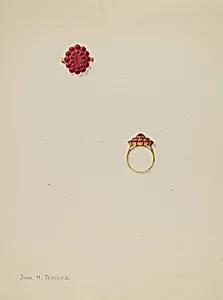
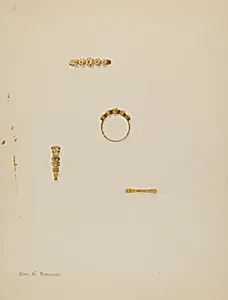
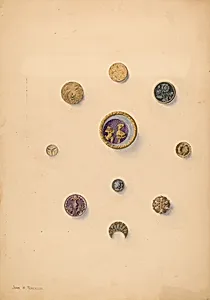
John H. Tercuzzi was an American artist active during the late 1930s and early 1940s, best known for his contributions to the Index of American Design, a Federal Art Project initiative under the Works Progress Administration (WPA). This ambitious endeavor commissioned artists to document everyday American objects—from folk crafts and tools to decorative household items—through meticulous watercolor renderings, preserving a visual record of the nation's material culture amid the Great Depression. Tercuzzi's precise illustrations captured the intricate details of these artifacts, blending technical accuracy with an appreciation for their utilitarian beauty.
Little is known about Tercuzzi's early life or formal training, as biographical details remain sparsely documented. No records of specific teachers, art schools, or mentors have surfaced in art historical sources. Instead, his career emerges fully formed within the WPA context, where he honed a representational style employing watercolor, graphite, pen and ink, gouache, and colored pencil on paper or paperboard. His works emphasize form, texture, and ornamentation, rendering ordinary objects with a clarity that elevates them to artistic subjects.
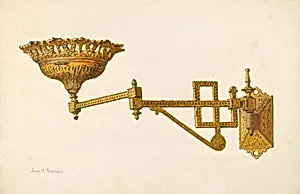
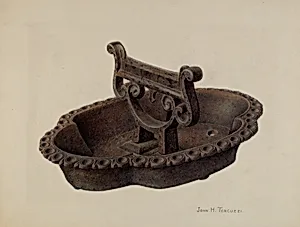
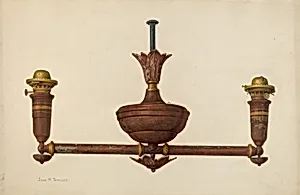
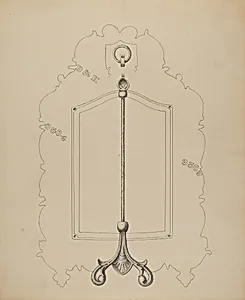
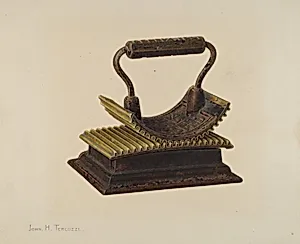
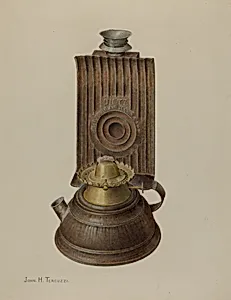
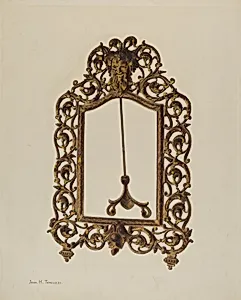
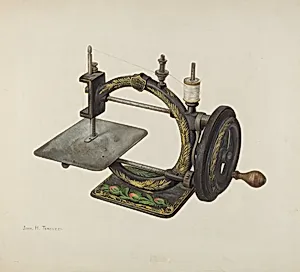
Among Tercuzzi's major works in the National Gallery of Art's collection—numbering over 50—are vivid depictions such as *Lamp Bracket* (c. 1942), *Foot Scraper and Tray* (c. 1941), *Chandelier* (c. 1941), *Door Knocker* (c. 1940), *Mirror Frame* (1940), and *Shop Sign Spectacles* (1935–1942). These pieces showcase his range, from jewelry like rings and brooches to functional items like sewing machines, bread baskets, and umbrella stands, often highlighting regional craftsmanship.
Tercuzzi's legacy endures through the Index, which influenced postwar appreciation for American folk art and design. His illustrations not only archived vanishing traditions but also democratized art history, making the vernacular accessible to future generations. Today, his output serves as an invaluable resource for scholars studying 19th- and early 20th-century American material culture, reminding us of the artistry in the everyday.