Ctrl K
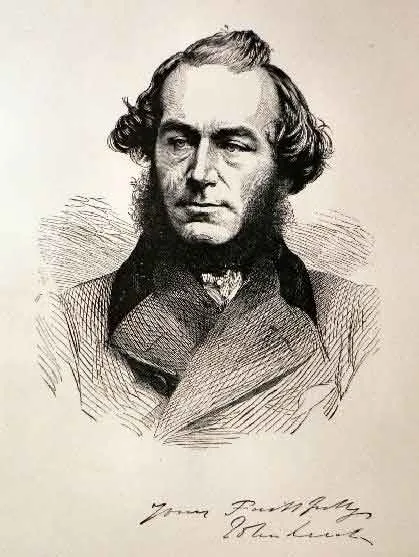
1817–1864
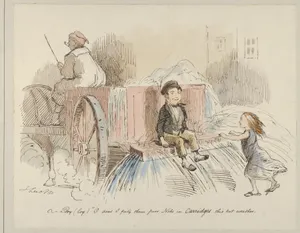
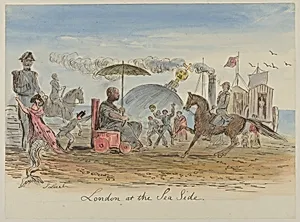
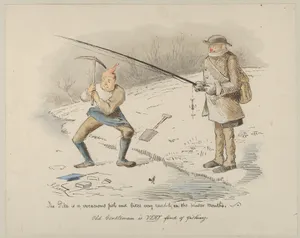
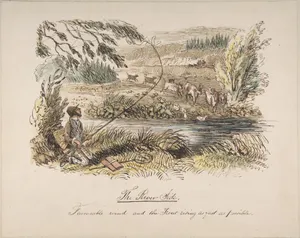
John Leech (1817–1864) was born in London and educated at Charterhouse, where he formed a lifelong friendship with William Makepeace Thackeray. He briefly studied medicine before abandoning it for art, publishing his first comic character studies from London street life as early as 1835. Though largely self-taught as an illustrator, he absorbed the robust tradition of English caricature established by James Gillray and Thomas Rowlandson, while steering his own practice toward a warmer, more domestically hospitable register.
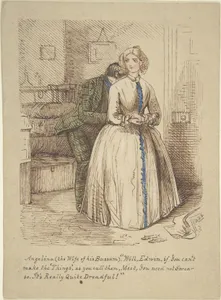
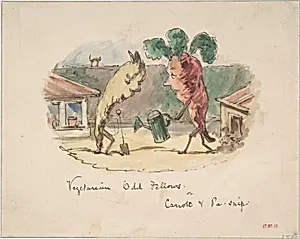
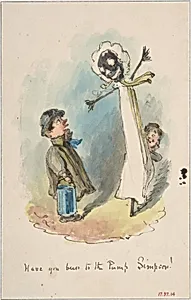
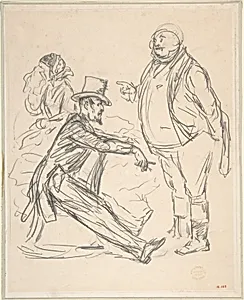
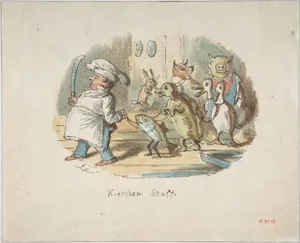
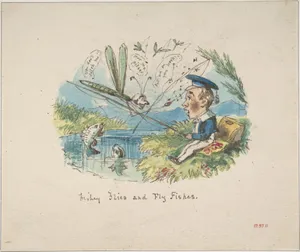
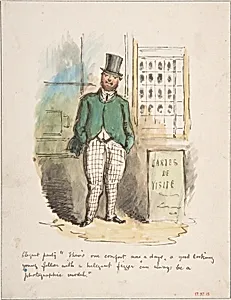
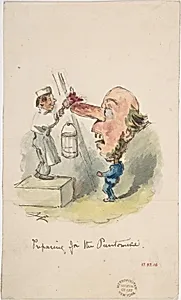
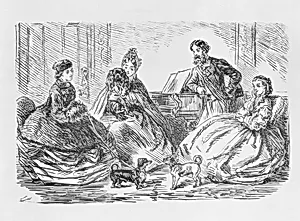
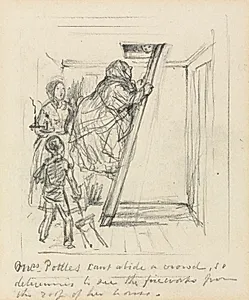
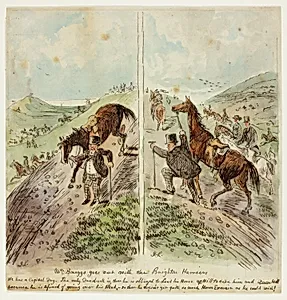
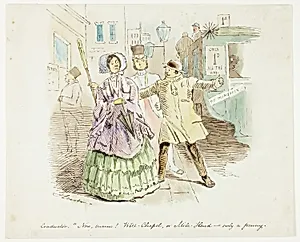
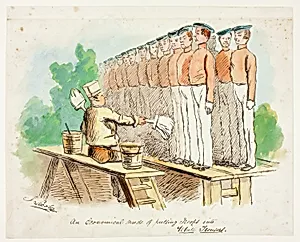
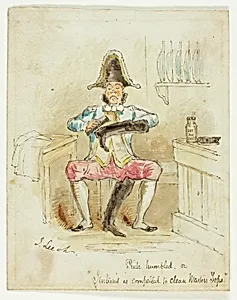
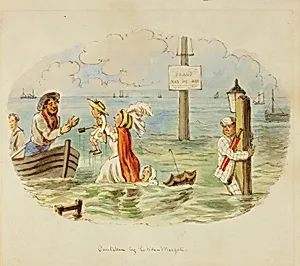
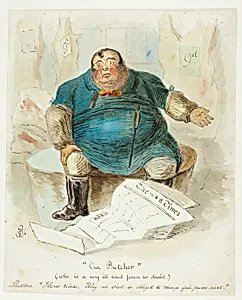
Leech became one of the defining voices of Victorian popular illustration through his association with Punch magazine, to which he contributed from its very first year of publication in 1841 until his death. Over that span he produced approximately three thousand drawings for the journal, covering social comedy, sporting life, and gentle political satire. His style departed from the grotesque exaggeration of earlier British caricature in favour of elegant line work, nuanced characterisation, and an eye for the telling detail of middle-class manners. Thackeray credited Leech's popularity as one of the chief reasons Punch achieved and sustained its remarkable commercial success.
Beyond the pages of Punch, Leech produced a body of book illustration that secured his reputation across generations of readers. His four etchings for Charles Dickens's A Christmas Carol, created for the 1843 edition, remain among the most recognisable images in English literary history, fixing the visual character of the story in the popular imagination. He went on to provide woodcut illustrations for Gilbert Abbott à Beckett's Comic History of England (1847–48) and Comic History of Rome (1852), demonstrating his facility with both comic invention and historical pastiche.
Leech died in 1864 at the age of forty-seven, his health having long been undermined by overwork. His influence on British graphic art and periodical illustration was immediate and lasting: he helped normalise the idea that social commentary could be delivered with wit rather than venom, and his fluid, accessible draughtsmanship set a standard that shaped Victorian illustration for decades after his death.