Ctrl K
1796–1865
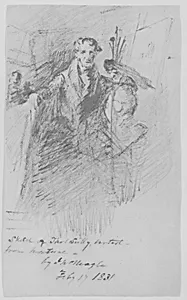
John Neagle (1796–1865) was a leading American portrait painter active in Philadelphia during the first half of the nineteenth century. Born in Boston on November 4, 1796, he spent most of his life in Philadelphia after early training there. His artistic education began with drawing lessons from Pietro Ancora, followed by an apprenticeship to coach and sign painter Thomas Wilson, who introduced him to established artists Bass Otis and Thomas Sully. Neagle studied under Bass Otis and became a protégé of Sully, whose influence shaped his approach to portraiture. By 1818 he had committed fully to painting portraits as an independent artist.
Neagle built a successful career in Philadelphia, with occasional travels to Lexington, Kentucky, and New Orleans in search of commissions. In 1826 he married Mary, the stepdaughter of his mentor Thomas Sully, forging a close professional and familial tie that helped both artists dominate local portraiture for a time. He served as director of the Pennsylvania Academy of the Fine Arts and was a founder and president (1835–1843) of the Artists’ Fund Society of Philadelphia. These roles underscored his standing within the city’s artistic community.
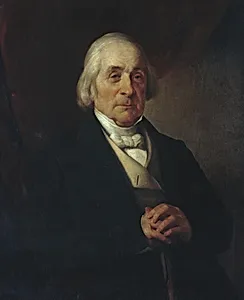
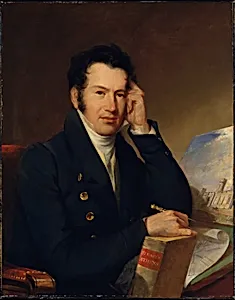
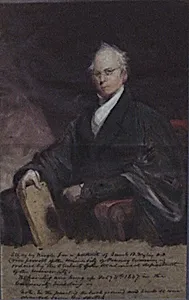
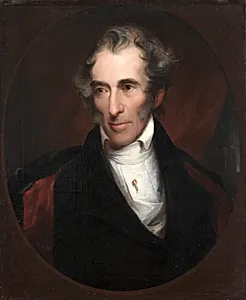
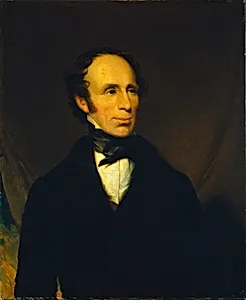
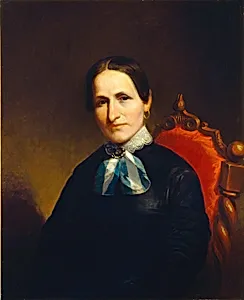
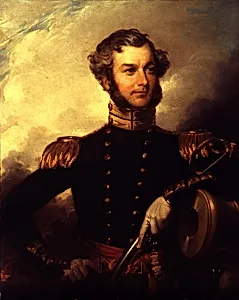
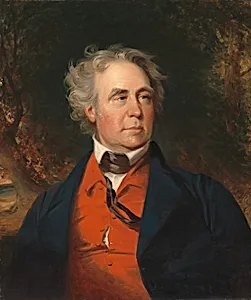
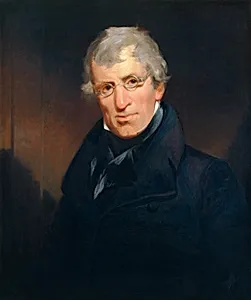
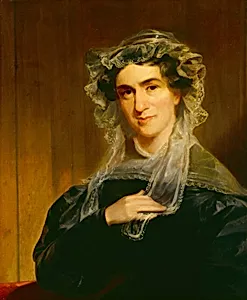
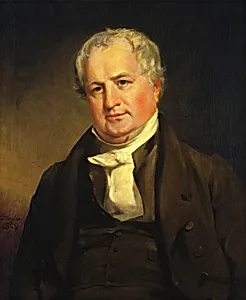
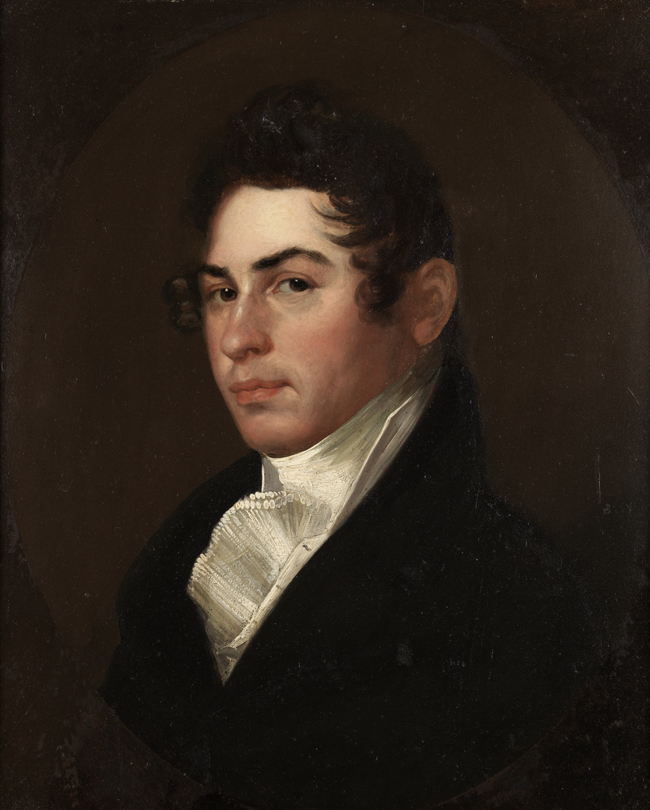
Neagle’s style featured incisive psychological insight and fluid brushwork inspired by Sully and ultimately tracing back to van Dyck through Sir Thomas Lawrence. His most celebrated works include the unconventional full-length *Pat Lyon at the Forge* (Pennsylvania Academy of the Fine Arts), which depicted the blacksmith-hero with heroic realism and gained wide circulation through an 1832 engraving, and the allegorical *Portrait of Henry Clay* (1842, Union League, Philadelphia). Other notable sitters ranged from politicians such as Vice President Richard Mentor Johnson and Governor John Jordan Crittenden to fellow artists Gilbert Stuart and James Fenimore Cooper, as well as architects and Native American figures like Petalesharo.
Neagle’s legacy rests on his vivid portrayals of early American society and his contributions to Philadelphia’s art institutions. Sixteen of his actor portraits remain in the collection of The Players in New York, while his papers are preserved at the Historical Society of Pennsylvania, which mounted a major retrospective in 1989. His work continues to illuminate the character and aspirations of the young republic through its blend of technical skill and human observation.