Ctrl K
1782–1842
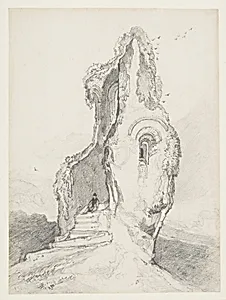
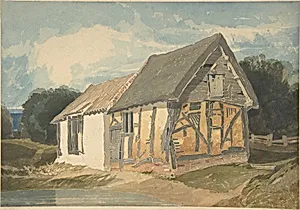
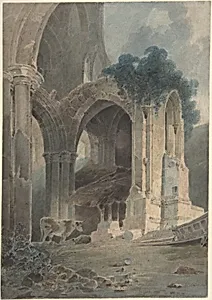
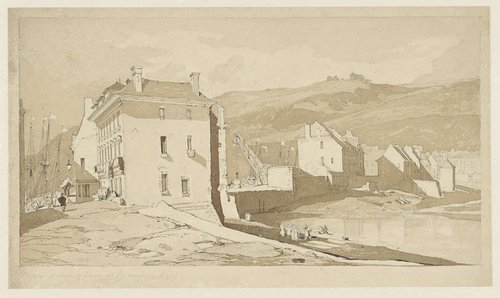
John Sell Cotman (1782–1842) was one of the most original and technically innovative English watercolorists of his generation, a central figure of the Norwich School whose bold, flattened compositions and luminous washes of color place him among the most modern-feeling of early nineteenth-century British artists. Born in Norwich, Norfolk, Cotman moved to London as a young man and studied in the circle surrounding Dr. Thomas Monro, a physician and patron who gathered promising young artists and exposed them to the work of earlier masters. He was closely associated with Thomas Girtin, whose approach to watercolor — emphasizing broad washes and architectural simplicity over meticulous detail — proved a formative influence.
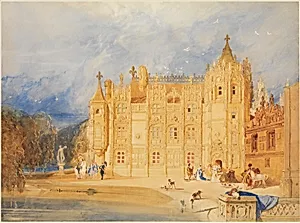
Cotman returned to Norwich around 1806 and became a leading figure of the Norwich Society of Artists, the first provincial art society in England, which brought together landscape painters committed to depicting the local scenery of East Anglia. His watercolors of this period — including his celebrated views of Yorkshire and the Norfolk landscape — are distinguished by their extraordinary economy of means: Cotman could suggest depth, atmosphere, and structure through the most seemingly simple arrangements of flat, interlocking tones, achieving effects that anticipate abstraction by more than a century.
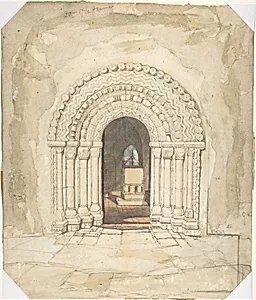
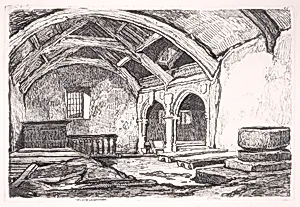
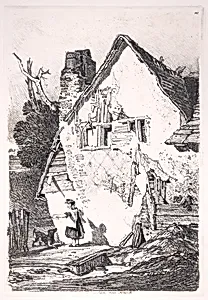
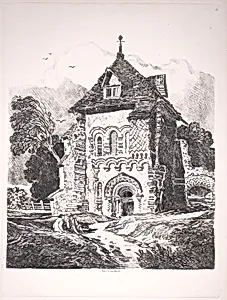
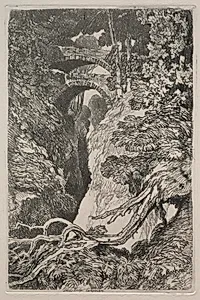
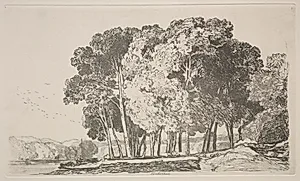
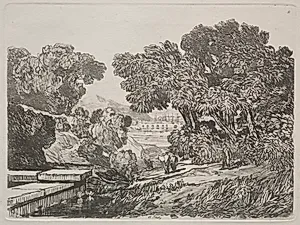
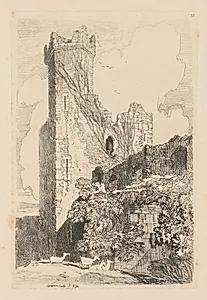
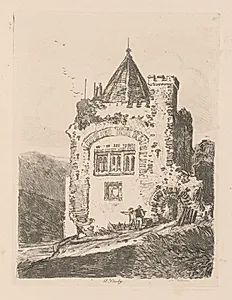
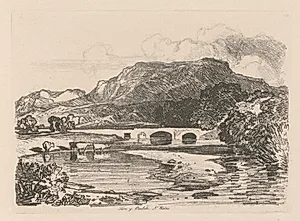
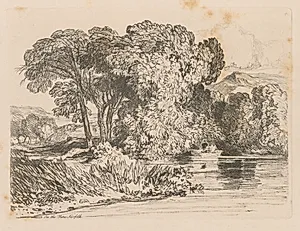
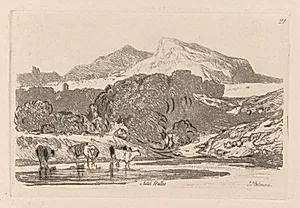
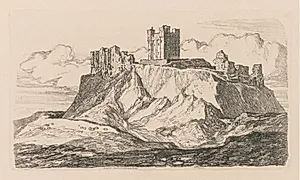
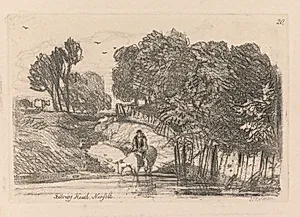
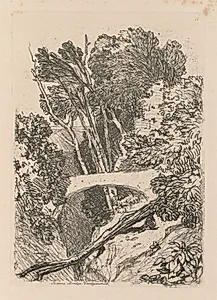
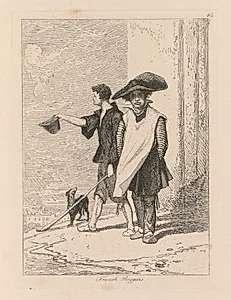
He also worked extensively as an etcher, producing plates of medieval architecture and Norman antiquities that combined scholarly interest with artistic refinement. Later in his career he developed a technique using rice paste mixed with pigment to achieve denser, more impastoed effects in watercolor, a technical experiment that gave his later work a different and sometimes more turbulent character.
Despite periods of financial difficulty and critical neglect during his lifetime, Cotman has been progressively recognized since the late nineteenth century as one of the supreme masters of English watercolor. His works are held in major British collections, including the British Museum and the Victoria and Albert Museum, and his influence on subsequent generations of British artists has been profound.