Ctrl K

1855
John W. Kelleher was an American artist active from around 1935 to 1953, best known for his contributions to the Index of American Design, a Works Progress Administration (WPA) Federal Art Project that commissioned artists to create precise watercolor renderings of everyday American folk art, crafts, and decorative objects. Little is known about Kelleher's early life or formal training, as biographical details remain scarce, but his work emerged during the Great Depression-era effort to document and celebrate the nation's material culture, particularly through the Massachusetts Project.
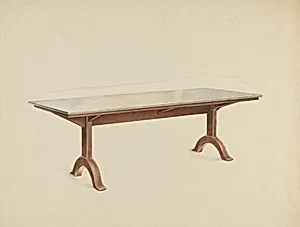
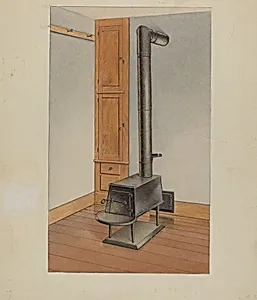
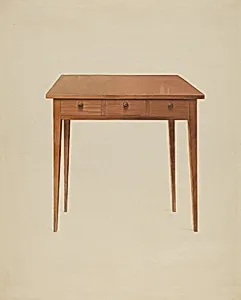
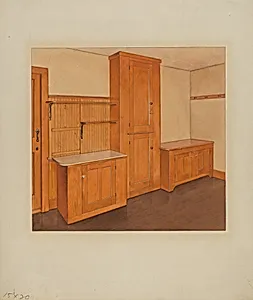
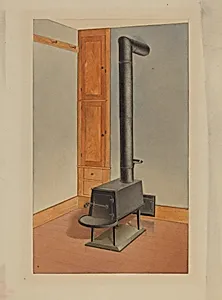
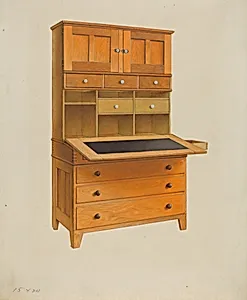
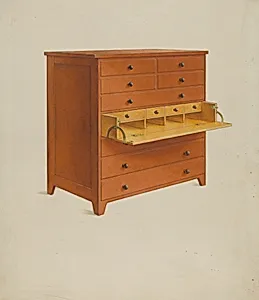
Kelleher specialized in meticulous illustrations executed in watercolor, graphite, gouache, colored pencil, and occasionally pen and ink on paper or paperboard, capturing the functional elegance of Shaker furniture—a hallmark of his oeuvre. He rendered numerous Shaker pieces, including the Shaker Dining Table with Marble Top (c. 1953), Shaker Desk (c. 1937), Shaker Tilting Chair (c. 1937), Shaker Table (c. 1938), Shaker Bookcase (c. 1937), and Shaker Chest of Drawers (c. 1937), highlighting their simple lines, sturdy construction, and ascetic beauty rooted in the Shaker religious community's philosophy of utility and purity. These works exemplify the documentary precision of the Index style, blending artistic fidelity with historical accuracy to preserve vanishing crafts.
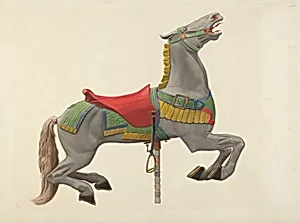
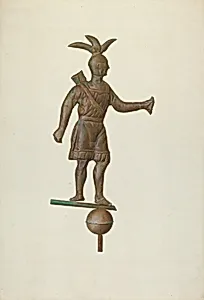
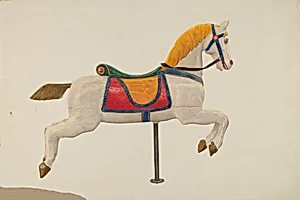
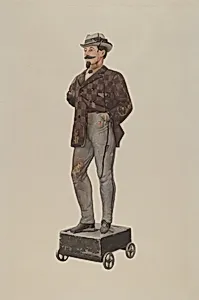
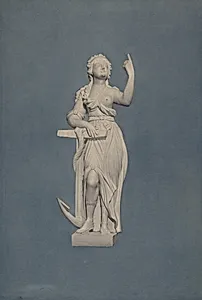
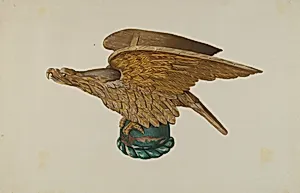
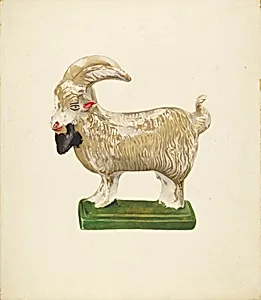
Beyond Shaker designs, Kelleher depicted a vibrant array of Americana, such as the Sacred Cod (1940), a wooden effigy symbolizing Massachusetts fisheries; Carousel Horses (1940 and c. 1941); the architectural carving "Hope" (c. 1939); "Justice" (c. 1939), a symbolic figure; and the Eagle from Tugboat Wheelhouse (c. 1939), alongside shop figures, weather vanes like the Metal Indian Weather Vane (c. 1940), and tea importer signs. His output reflects a keen eye for regional symbols and vernacular art forms.
Kelleher's legacy endures through the National Gallery of Art, which holds 43 of his renderings, forming a vital archive of pre-industrial American design. By visually cataloging these objects, he helped canonize Shaker aesthetics and folk traditions in art history, influencing mid-20th-century appreciation for utilitarian craft amid modernist currents. Though personally obscure, his technical renderings continue to educate on America's creative heritage.