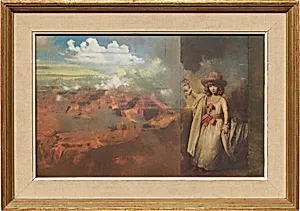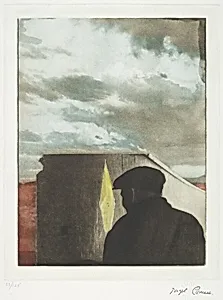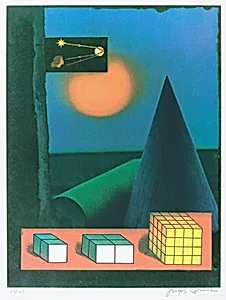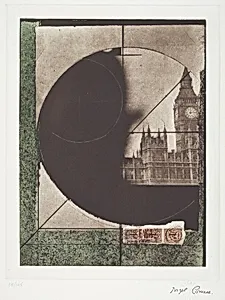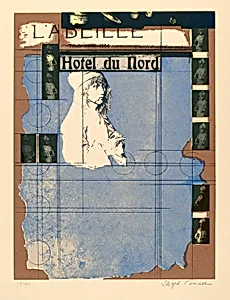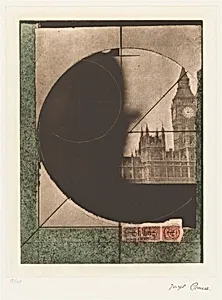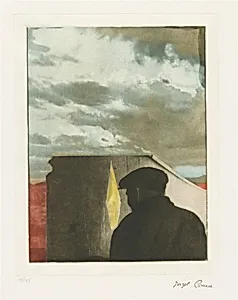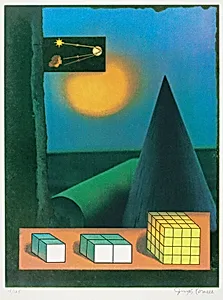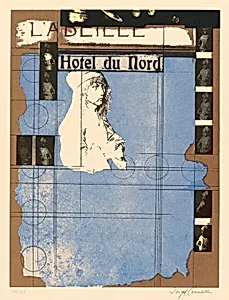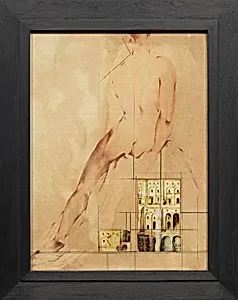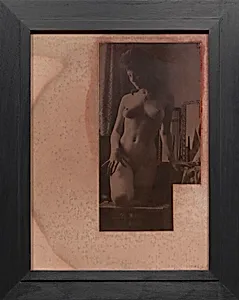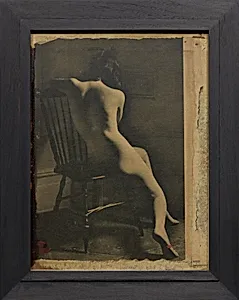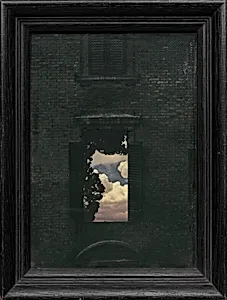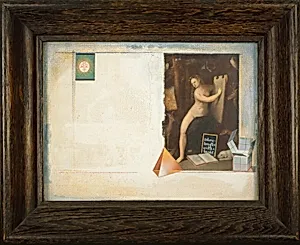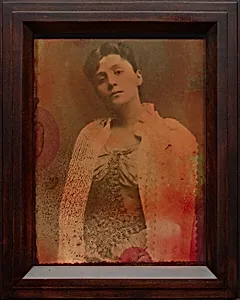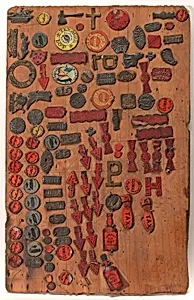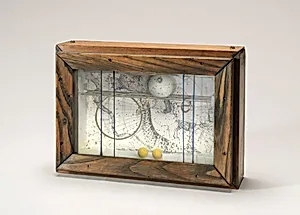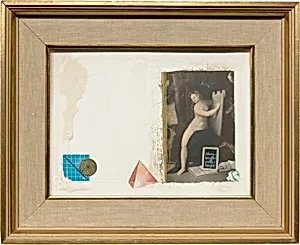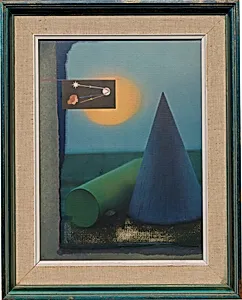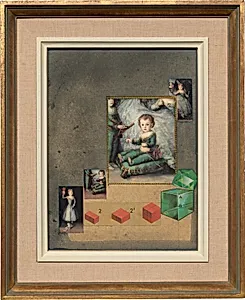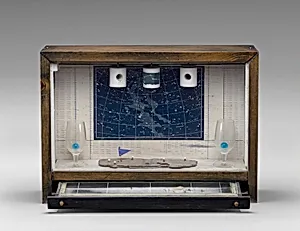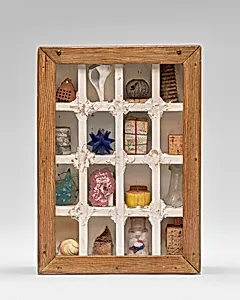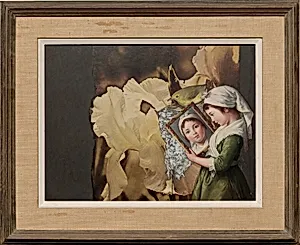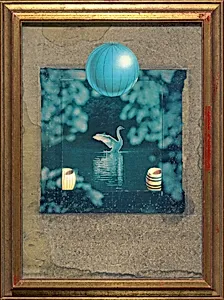
Joseph Cornell (1903–1972) was an American artist and filmmaker best known for his poetic assemblage boxes — small, glass-fronted shadow boxes containing carefully arranged collections of found objects that create intimate, dreamlike worlds. Born in Nyack, New York, he had no formal art training and spent most of his life in a modest house on Utopia Parkway in Flushing, Queens, caring for his disabled brother.
Cornell's art grew from his passionate collecting of ephemera — old maps, engravings, postage stamps, clay pipes, glass, driftwood, cork balls, and other modest objects — which he arranged in small wooden boxes to create evocative miniature theaters of memory and imagination. His boxes frequently reference astronomy, ballet, cinema, birds, and European culture, conjuring an atmosphere of nostalgic longing for distant places and times he had never experienced. Major series include his "Medici Slot Machine" boxes, "Hotel" boxes, "Aviary" boxes, and "Observatory" boxes.
Despite his reclusive lifestyle and lack of professional training, Cornell was closely connected to the Surrealist and avant-garde art worlds. He was included in the landmark 1936 "Fantastic Art, Dada, Surrealism" exhibition at the Museum of Modern Art, though he resisted the Surrealist label. He also created pioneering experimental films by re-editing found footage, anticipating later practices of appropriation and remix culture.
Cornell's intimate, handmade art occupies a unique position in American modernism — simultaneously connected to Surrealism, assemblage, and a deeply personal poetic vision. His boxes are held by the Museum of Modern Art, the Smithsonian American Art Museum, the Art Institute of Chicago, and the Peggy Guggenheim Collection in Venice.