Ctrl K
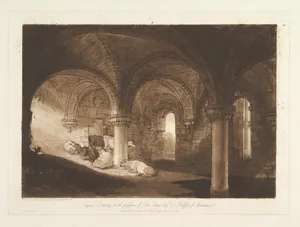
1775–1851
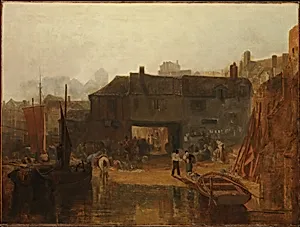
Joseph Mallord William Turner, born on 23 April 1775 in London's Covent Garden to barber William Turner and Mary Marshall, emerged as a child prodigy amid personal hardships. His mother suffered mental illness and died in Bethlem Hospital in 1804, while his father supported his early sketches by displaying them in his shop. Around age 10, Turner stayed with his uncle Joseph Mallord William Marshall in Brentford, honing his skills through colored engravings. He entered the Royal Academy Schools in 1789 at age 14, progressing from plaster casts to life drawing by 1792, and exhibited his first work the following year. Turner studied under topographical draughtsman Thomas Malton, whom he called his "real master," and attended Dr. Thomas Monro's evening academy, copying works by artists like John Robert Cozens.
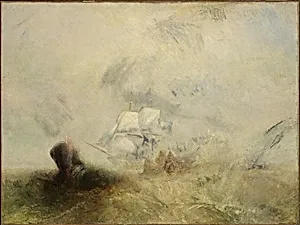
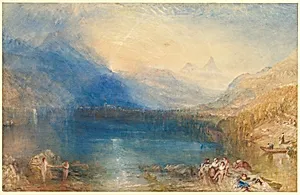
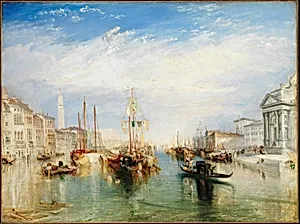
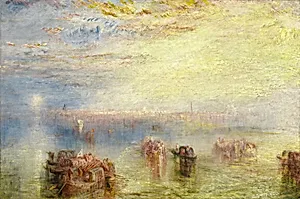
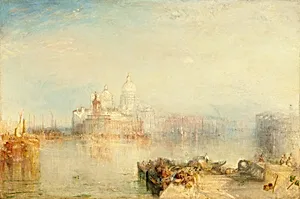
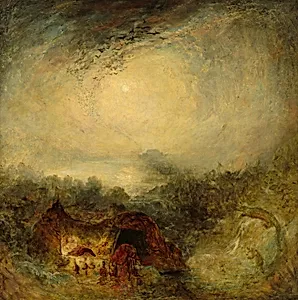
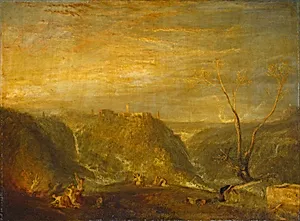
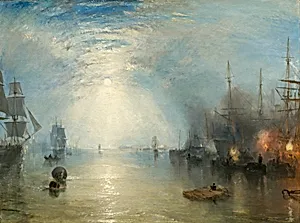
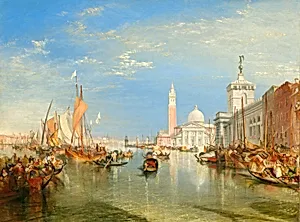
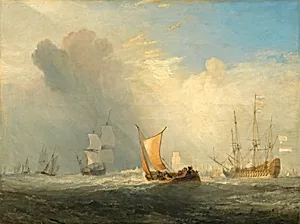
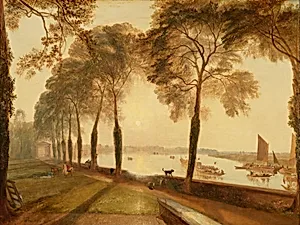
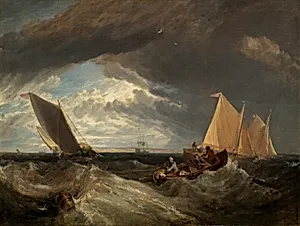
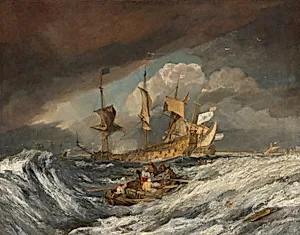
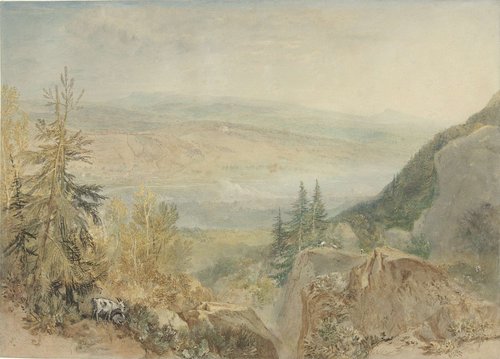
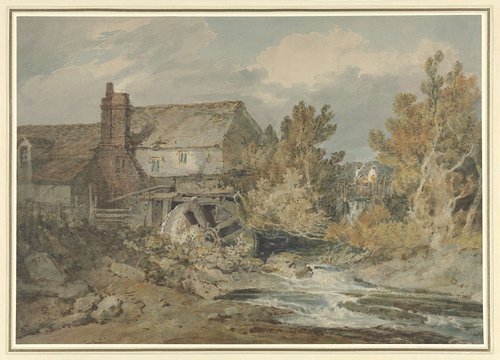
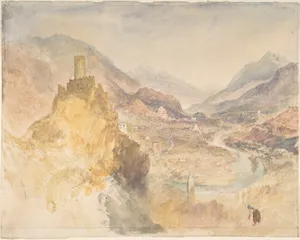
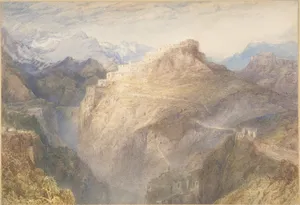
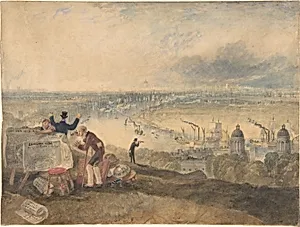
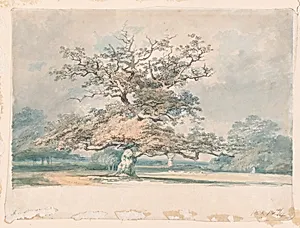
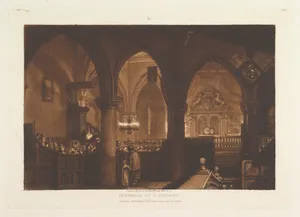
A quintessential English Romantic painter, Turner revolutionized landscape art, elevating it to rival history painting through his mastery of light, color, and atmosphere. His early topographical precision gave way to turbulent seascapes and luminous effects, influenced by 17th-century masters like Claude Lorrain and Dutch marines, while foreshadowing Impressionism with loose brushwork and evanescent forms. He produced over 550 oils, 2,000 watercolors, and 30,000 sketches, often applying watercolor fluency to canvas and experimenting with pigments for shimmering translucency, as in volcanic sunsets after 1816.
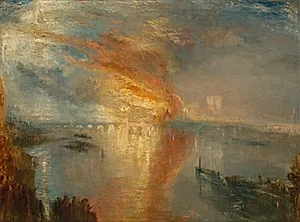
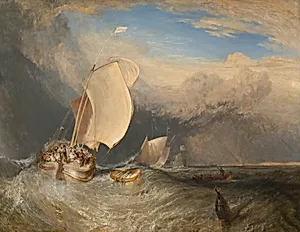
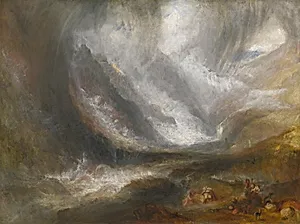
Turner's masterpieces capture nature's sublime power and modernity's encroachment. *Fishermen at Sea* (1796) marked his Royal Academy oil debut with moonlit peril, followed by *Snow Storm: Hannibal and his Army Crossing the Alps* (1812), evoking chaotic fury. Later icons include *The Fighting Temeraire* (1839), a poignant tug towing a Napoleonic warship at sunset; *Slave Ship* (1840), a fiery abolitionist critique; *Rain, Steam and Speed* (1844), blurring railway motion; and *The Burning of the Houses of Lords and Commons* (1835), sketched from life.
In later years, Turner fathered two daughters, Evelina and Georgiana, with widow Sarah Danby, though he never married; his father assisted in his studio until 1829. Reclusive and eccentric, he lived incognito with Sophia Caroline Booth as "Mr. Booth" before dying on 19 December 1851. His Turner Bequest gifted thousands of works to the nation, now anchoring Tate Britain and inspiring the Turner Prize. Championed by John Ruskin, Turner's legacy endures as a bridge from Romanticism to modernism, influencing Monet and abstract pioneers with his painterly light.