Ctrl K
1780–1899
**Joseph Mansell (1803–1874)** was a prominent British printer and producer of fancy paper goods during the Victorian era, best known for his licensed use of George Baxter’s innovative colour printing process. Born in Northampton Square, Clerkenwell, London, to William Mansell, he established his business at 35 Red Lion Square in the mid-1840s, later expanding to adjacent properties and a residence in Kensington. Around 1850, he secured one of the limited licences from Baxter to employ the patented oil-colour printing technique, which allowed for vibrant, multi-layered reproductions that combined engraving with hand-colouring effects.
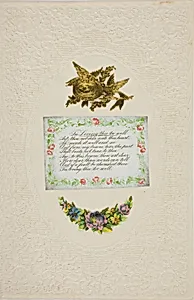
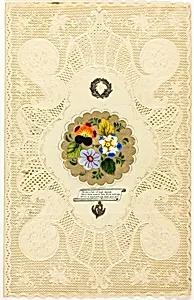
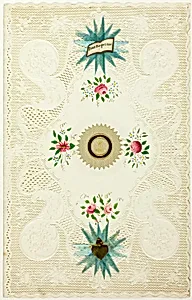
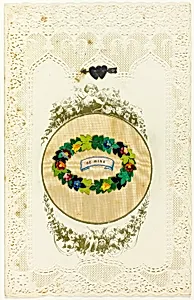
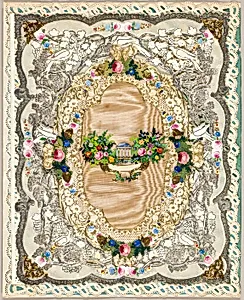
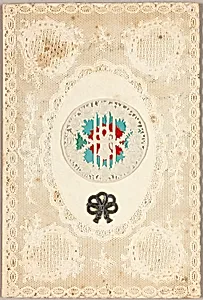
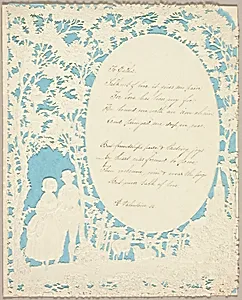
Mansell’s artistic output blended technical precision with decorative flair. He specialised in embossed and cut-paper stationery, including elaborate valentines, greeting cards, reward cards, menus, and ornamental papers, often merging Baxter-process prints with chromolithography. His works frequently featured floral motifs, genre scenes, and intricate lace-like designs. Notable examples preserved in major collections include a series of detailed orchid lithographs at the National Gallery of Art—such as *Laelia Anceps Stella & Barkeriana* and various *Dendrobium* hybrids—as well as numerous Baxter-process valentines and exhibition prints held by the British Museum and the Art Institute of Chicago.
He actively promoted his craft through international exhibitions, displaying at the Great Exhibition in London (1851), the Paris Exposition (1855), and the 1862 International Exhibition. These platforms helped establish his reputation for high-quality colour printing and fancy goods. After Mansell’s death on 8 November 1874, the firm continued under his name until around 1890, when parts of the business merged with competitors while the colour-printing division persisted briefly as Joseph Mansell Limited.
Today, Mansell is recognised as an important figure in the history of 19th-century colour printing and commercial art. His surviving prints and paper ephemera offer valuable insight into Victorian aesthetics, technological innovation in reproduction, and the commercialisation of decorative arts. With thirteen works in the museum’s collection, his contributions highlight the intersection of fine printing techniques and popular visual culture.