Ctrl K
1809–1878
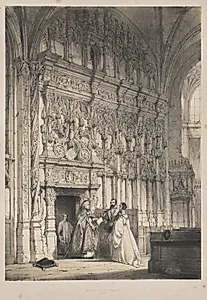
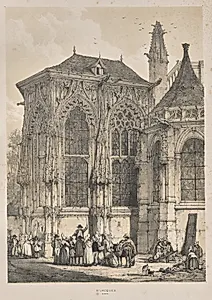
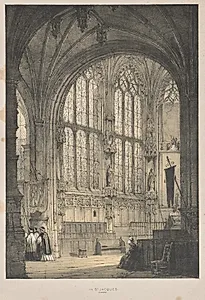
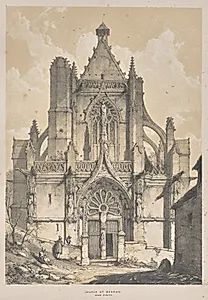
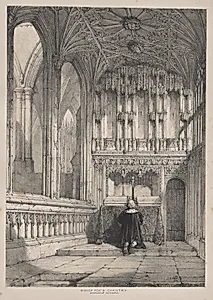
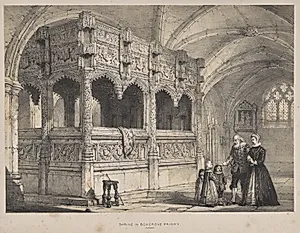
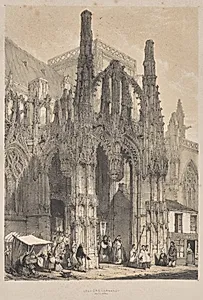
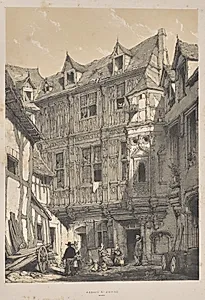
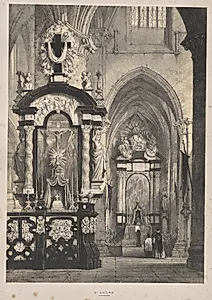
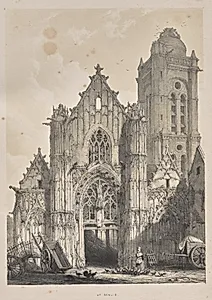
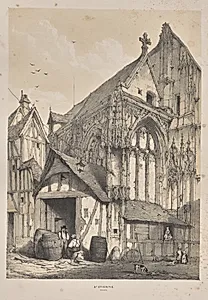
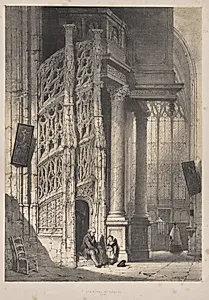
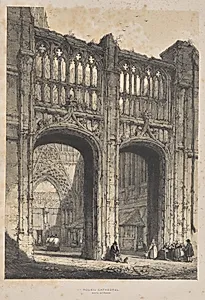
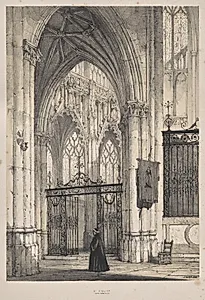
Joseph Nash (1809–1878) was a British watercolorist and lithographer whose richly detailed depictions of English medieval and Tudor architecture established him as one of the most accomplished architectural illustrators of the Victorian era. Born in Great Marlow, Buckinghamshire, Nash trained under Augustus Charles Pugin, the distinguished architectural draughtsman and father of the Gothic Revival theorist A.W.N. Pugin, whose rigorous instruction gave Nash a firm grounding in the precise delineation of historic buildings and ornament.
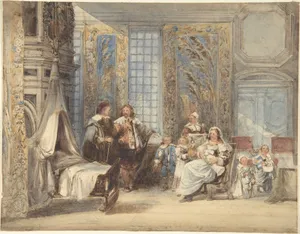
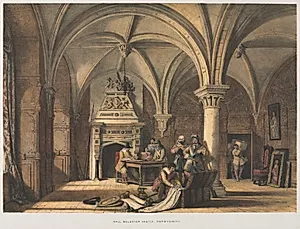
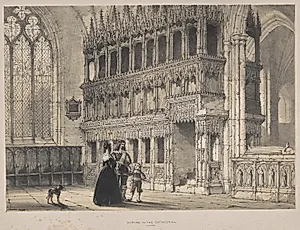
Nash is best known for his monumental publication The Mansions of England in the Olden Time, issued in four volumes between 1839 and 1849. This work, comprising lithographs of the great country houses and manor houses of England set within scenes of Tudor and Elizabethan domestic life, was enormously popular and went through several editions. Nash animated his architectural settings with figures in period costume engaged in feasting, hunting, and courtly ceremony, creating images that blended documentary precision with a romantic nostalgia for a vanished social order. The Mansions became an influential visual sourcebook for the Victorian Gothic Revival and shaped popular ideas about the English past for generations.
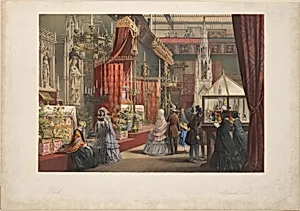
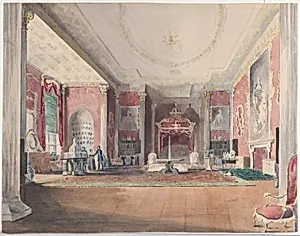
Nash was elected an Associate of the Old Watercolour Society and later a full member, and he exhibited regularly at its annual exhibitions. His watercolors, beyond their architectural subjects, demonstrate a genuine facility with color and atmosphere that sets them apart from purely documentary illustration.
Though Nash's reputation is inseparable from his contribution to architectural history and the Gothic Revival, his work also stands as a significant achievement in the Victorian art of the illustrated book, and The Mansions of England in the Olden Time remains an indispensable document of nineteenth-century antiquarian culture.