Ctrl K
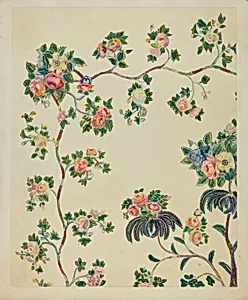
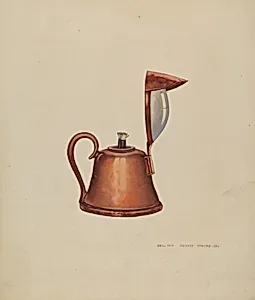
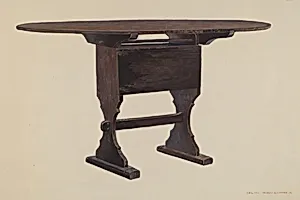
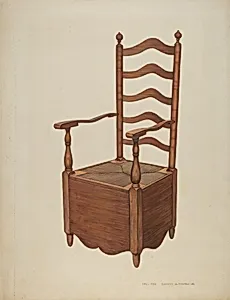
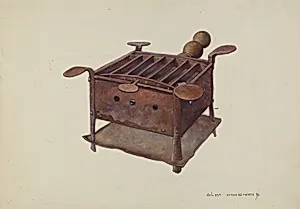
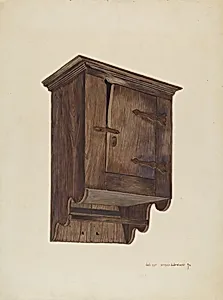
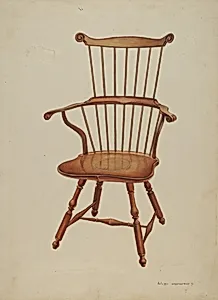
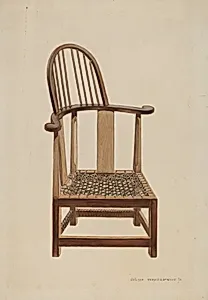
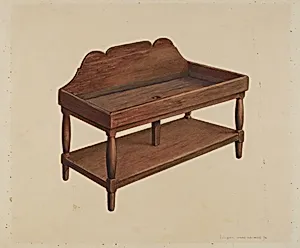
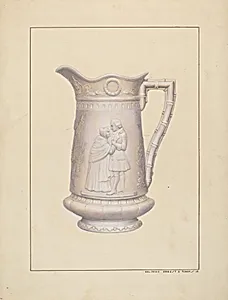
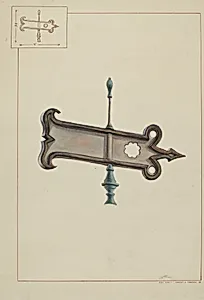
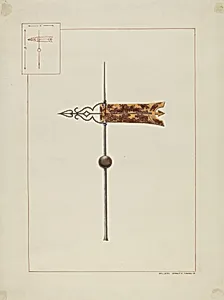
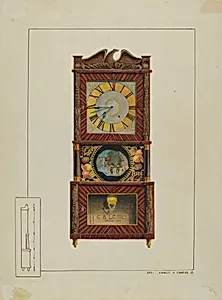
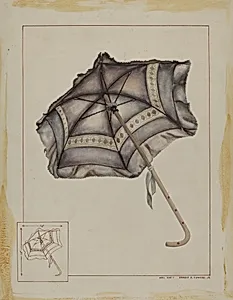
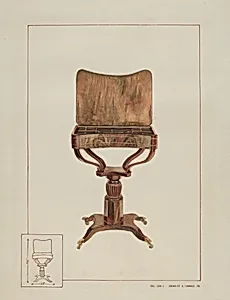
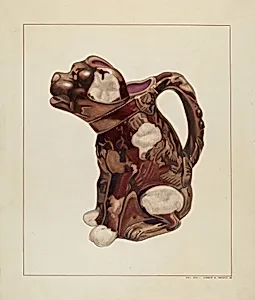
Ernest A. Towers, Jr. was an American artist active during the late 1930s and early 1940s, best known for his meticulous contributions to the Index of American Design, a Federal Art Project under the Works Progress Administration (WPA). This ambitious initiative commissioned artists across the United States to create watercolor renderings of everyday American folk art, crafts, and decorative objects, preserving a visual record of the nation's material culture amid the Great Depression. Towers, Jr. produced dozens of such works, capturing the intricate details of antique furniture, household items, and whimsical carvings with a precision that highlighted their craftsmanship and historical significance. His output forms a substantial portion of the National Gallery of Art's collection, totaling 62 pieces, many executed in watercolor, gouache, colored pencil, pen and ink, and graphite on paperboard.
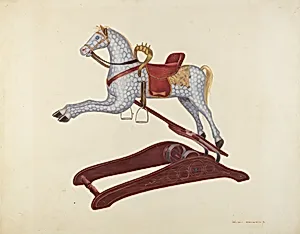
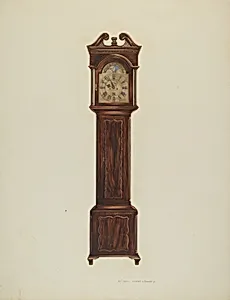
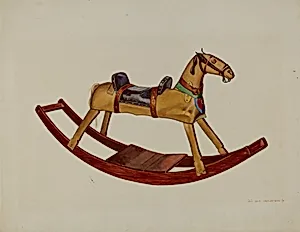
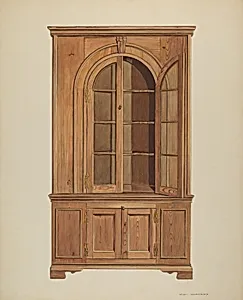
Little is known about Towers, Jr.'s early life or formal training, as biographical details remain sparsely documented. No records of specific teachers, art schools, or mentors have surfaced in major art historical sources, suggesting he may have developed his skills through practical experience or self-study before joining the WPA project around 1935. His style aligns closely with the documentary ethos of the Index, favoring hyper-realistic depictions over personal expression—rendering textures, joinery, and patina with scientific accuracy to evoke the objects' functionality and cultural resonance. Subjects ranged from grand heirlooms like grandfather clocks and corner cupboards to playful folk items such as hobby horses and monkey banks, reflecting America's diverse vernacular traditions.
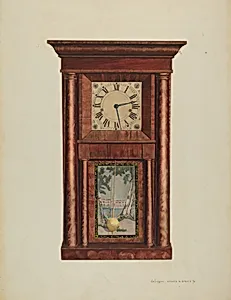
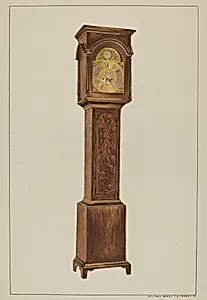
Among his standout works are *Grandfather's Clock* (c. 1936), a towering timepiece with ornate wooden case and pendulum weights; *Mantel Clock* (c. 1939), showcasing delicate heightening for metallic gleam; *Carousel Horse* (c. 1938); and *Petit Point Fire Screen* (c. 1942), with its embroidered floral motifs. Later pieces like *Bull's Eye Hand Lantern* (c. 1942) and *Dining Room Table* (c. 1942) demonstrate his evolving command of mixed media to convey depth and luminosity.
Towers, Jr.'s legacy endures through these archival drawings, which continue to educate on early American design and craftsmanship. Displayed in institutions like the National Gallery of Art and referenced in exhibitions such as MoMA's *New Horizons in American Art*, his oeuvre underscores the WPA's role in sustaining artists while safeguarding cultural heritage. Though his personal story fades into obscurity, his precise visualizations remain vital touchstones for scholars and enthusiasts of American folk art.