Ctrl K
**Louis Crépy, Jr. (also known as Louis Crépy II or Crépy le fils) was an 18th-century French engraver, etcher, designer, and illustrator active in Paris.** He worked primarily in the Rococo period, producing ornamental prints that captured the era’s playful elegance and decorative flair. His output focused on arabesques, pastoral scenes, and practical designs for luxury furnishings, helping spread fashionable motifs across Europe through widely circulated etchings and engravings.
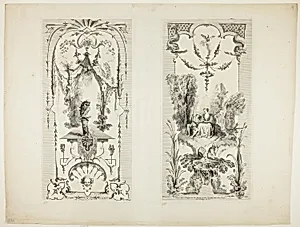
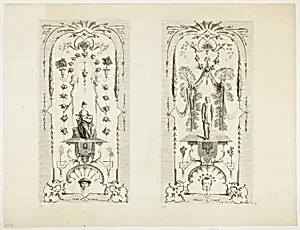
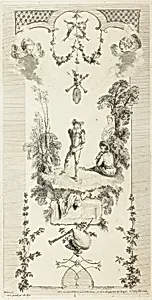
Crépy specialized in series of etchings intended as patterns for folding screens (*paravents*). His best-known works include the *Paravent de six feuilles* (Designs for a Folding Screen), with plates dated around 1727 that feature intricate, multi-sheet compositions suitable for interior decoration. He also engraved after leading Rococo painters such as Antoine Watteau and Nicolas Lancret, translating their lighthearted figures and arabesque compositions into print form for the *Jullienne Oeuvre gravé* and other publications. These reproductive prints demonstrate his skill with the burin and etching needle while preserving the graceful, theatrical spirit of early 18th-century French art.
As the son of an earlier engraver (likely Jean Crépy or Louis Crépy senior), he continued a family tradition in the graphic arts. Active in the 1720s and 1730s, he contributed to the vibrant print culture of Paris, producing book illustrations, caricatures, and decorative designs that appealed to both aristocratic patrons and a growing middle-class market for affordable art. His technical precision and inventive ornamentation placed him among the skilled craftsmen who helped define French Rococo visual language.
Crépy’s legacy endures through the survival of his prints in major museum collections, including the Art Institute of Chicago, where several sheets from his screen series are held. Though biographical details about his training and personal life remain limited, his contributions to ornamental printmaking continue to be valued by historians and collectors for their insight into 18th-century decorative tastes and the dissemination of Rococo aesthetics.