Ctrl K
1839–1909
Jules-Clément Chaplain (1839–1909) was a French engraver and medallist who became the most celebrated practitioner of the art medal in late nineteenth-century France. Born in Mortagne-au-Perche in Normandy, he studied at the École des Beaux-Arts in Paris under Jouffroy and Oudiné and won the Prix de Rome for engraving in 1863, which enabled him to study in Italy for several years.
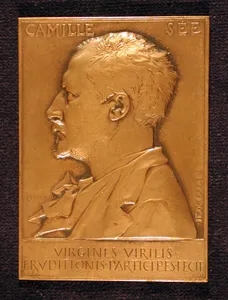
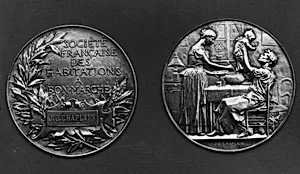
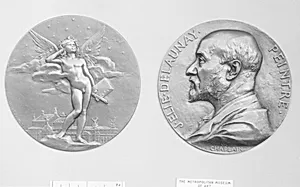
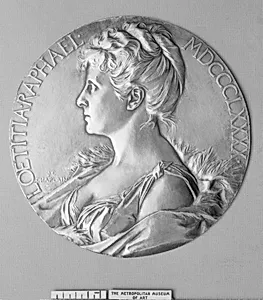
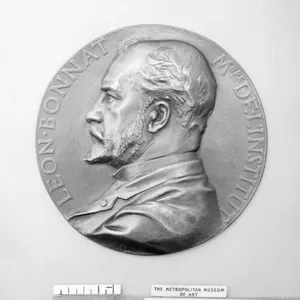
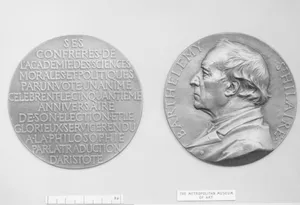
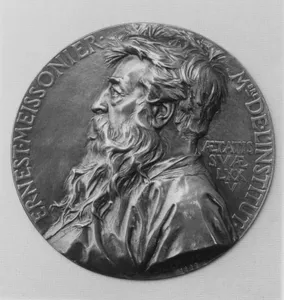
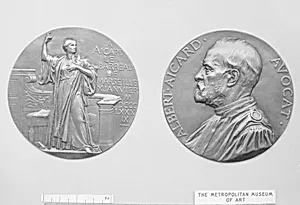
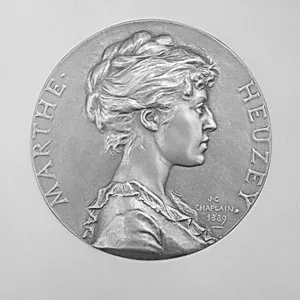
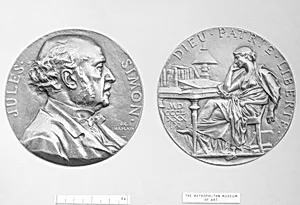
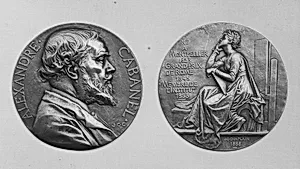
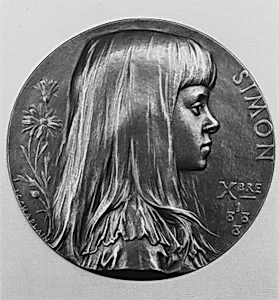
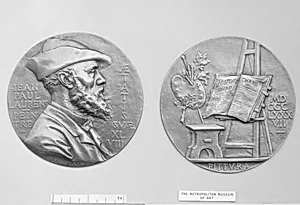
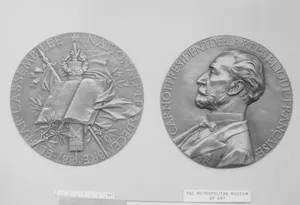
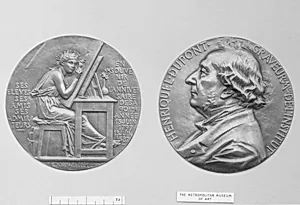
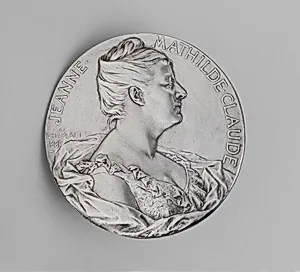
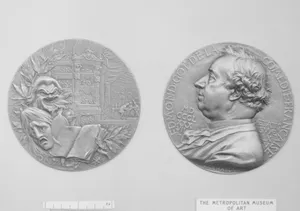
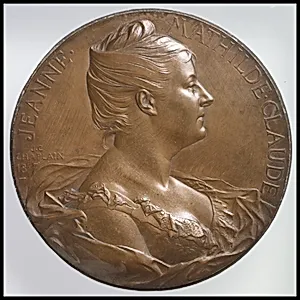
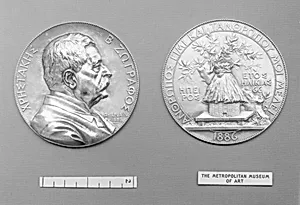
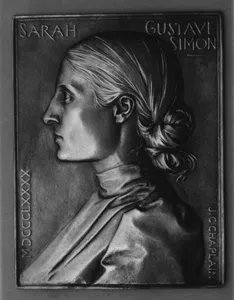
Chaplain's work revolutionized the French art medal, elevating it from a stiff commemorative form into a medium of genuine artistic expression. His portrait medals are characterized by naturalistic modeling, delicate surface textures, and a psychological intimacy that distinguished them from the rigid profiles of academic numismatic tradition. He drew from life whenever possible, and his medal portraits capture their subjects with a warmth and spontaneity that rivaled painted portraits.
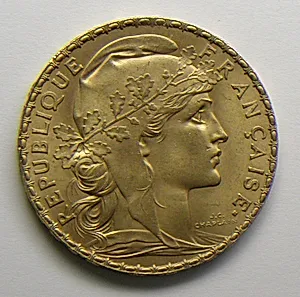
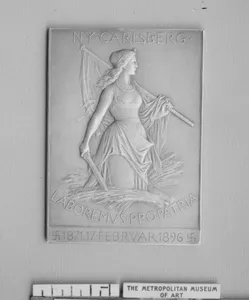
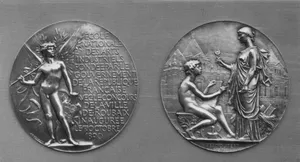
Among his most celebrated works are his portrait medals of prominent figures of the Third Republic, including Victor Hugo, Louis Pasteur, and numerous statesmen and cultural figures. He also designed coins for the French Republic, most notably the gold and silver denominations that bore his refined allegorical figures. His decorative plaquettes — small relief sculptures depicting allegories, genre scenes, and landscapes — were widely collected and helped popularize the art medal as an accessible art form.
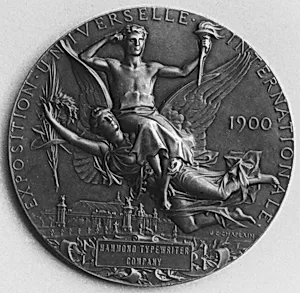
Chaplain was awarded the Grand Prix at the 1900 Exposition Universelle and was elected to the Académie des Beaux-Arts. He is considered the central figure of the French medal renaissance of the late nineteenth century, alongside Oscar Roty and Alexandre Charpentier. His medals and plaquettes are held by the Monnaie de Paris, the Bibliothèque nationale de France, the British Museum, and the Smithsonian American Art Museum.