Ctrl K
1855
Julie C. Brush was an American artist active in the 1930s and early 1940s who contributed work to the Index of American Design, the Federal Art Project initiative that employed artists across the United States to create a comprehensive pictorial survey of American decorative arts and material culture from the colonial era through the end of the nineteenth century. The project, administered under the New Deal, aimed to document the diversity of American craft traditions and to preserve visual records of objects that were in danger of being lost to historical memory.
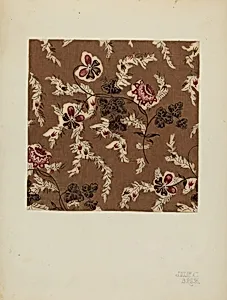
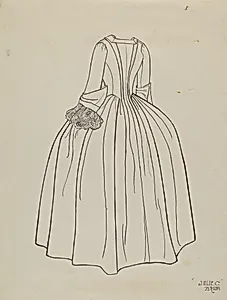
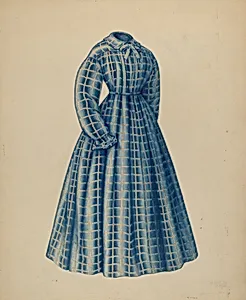
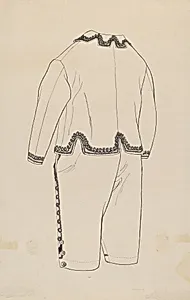
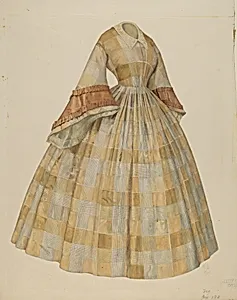
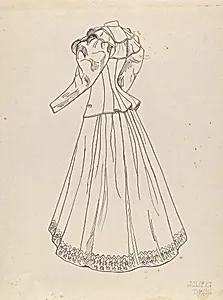
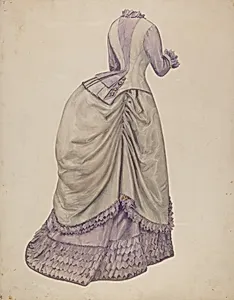
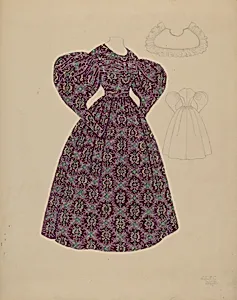
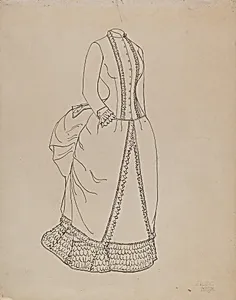
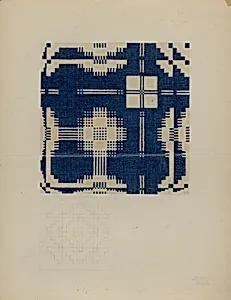
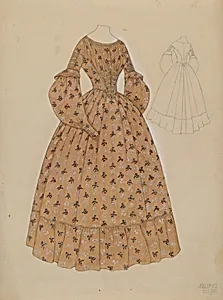
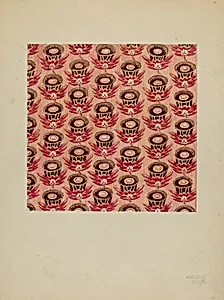
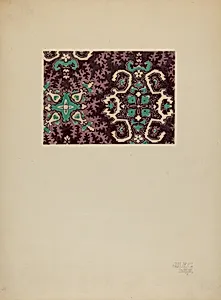
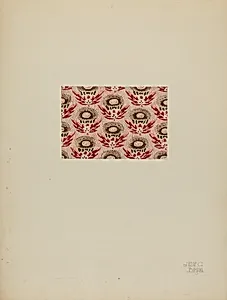
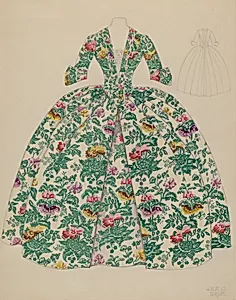
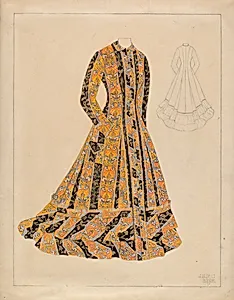
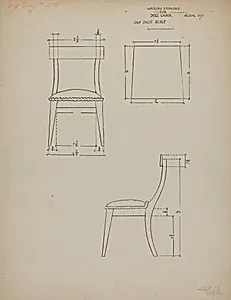
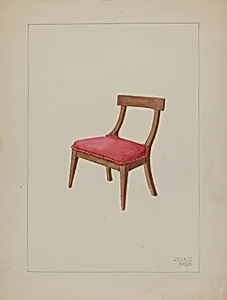
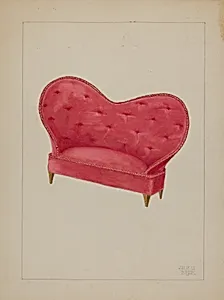
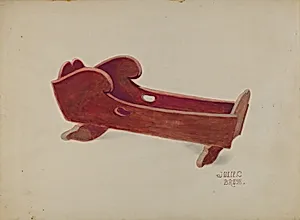
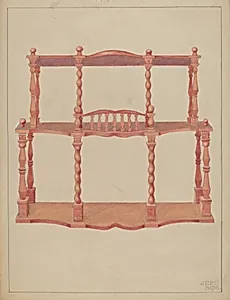
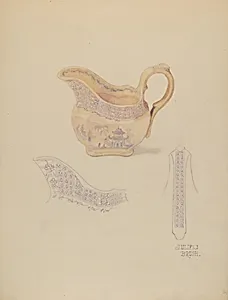
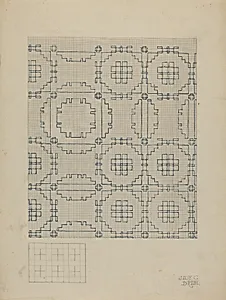
Brush's contributions to the Index, now held in the collection of the National Gallery of Art in Washington, D.C., encompass a range of subjects characteristic of the project's scope: printed cottons and textile patterns, quilts and embroidered textiles, bedcovers, and garments. Her works were executed in watercolor and related media on paperboard, often combined with graphite underdrawing and pen and ink detail, following the exacting documentary standards the Index required of all contributing artists. Dates associated with her works in the Index range from the late 1930s into the early 1940s.
The Index of American Design drew on a broad spectrum of artistic talent, from established professionals to recent art-school graduates, united by the ability to render objects with the fidelity and clarity that documentary purposes demanded. For many participants, the project provided both employment during a period of widespread economic hardship and an opportunity to engage with the rich material legacy of American craft.
Detailed biographical information about Brush beyond her participation in the Index of American Design is not readily available. Her documented work survives in the National Gallery of Art's Index holdings, where it contributes to one of the most comprehensive pictorial archives of American decorative arts ever assembled.