Ctrl K
1884–1976
Karl Schmidt-Rottluff (1884–1976) was a German painter and printmaker who was a co-founder of Die Brücke (The Bridge), one of the most important groups of the Expressionist movement. Born Karl Schmidt in Rottluff near Chemnitz, he adopted his birthplace as a surname and in 1905, together with Ernst Ludwig Kirchner, Fritz Bleyl, and Erich Heckel, founded Die Brücke in Dresden, a group dedicated to creating a new, emotionally direct form of art.
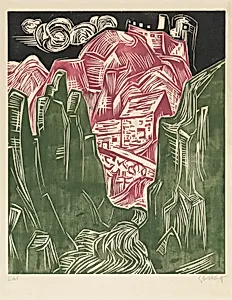
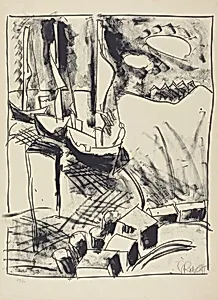
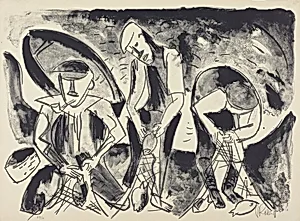
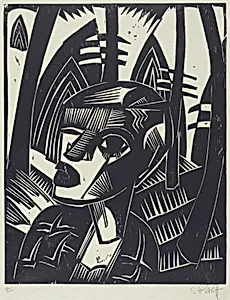
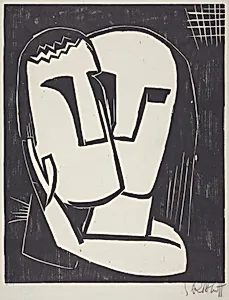
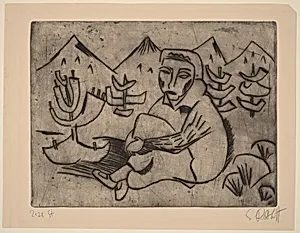
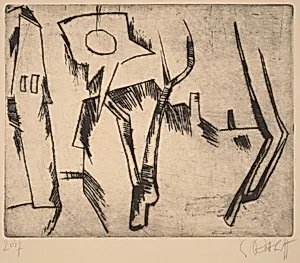
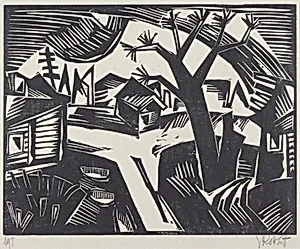
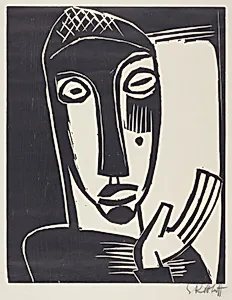
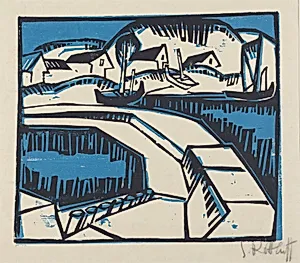
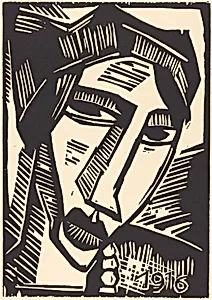
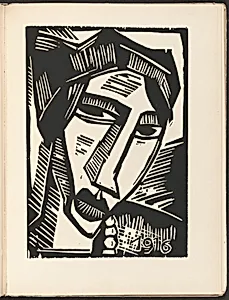
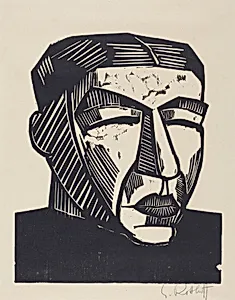
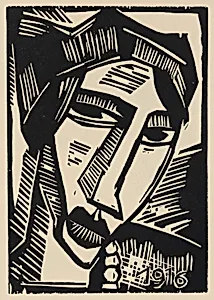
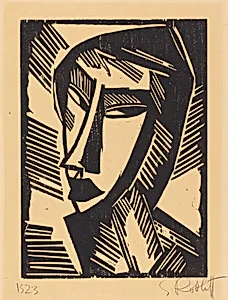
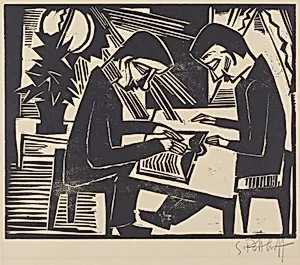
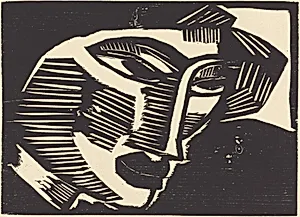
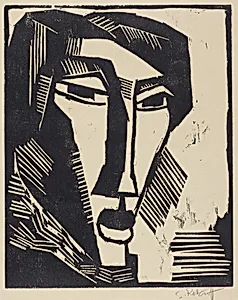
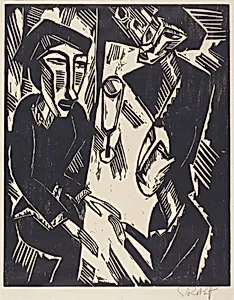
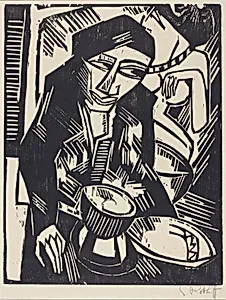
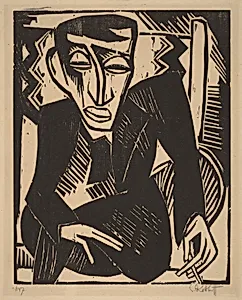
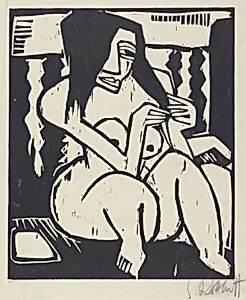
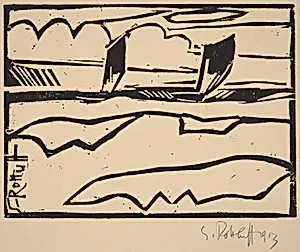
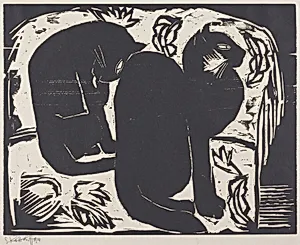
Schmidt-Rottluff's painting style was among the boldest and most uncompromising in the group. His landscapes, portraits, and still lifes are characterized by drastically simplified forms, angular contours, and strident, clashing colors applied in broad, flat areas. His palette — vivid reds, greens, and yellows set against deep blues and blacks — pushed beyond even the Fauvists in its intensity. His woodcuts, with their stark black-and-white contrasts and roughly hewn forms, are considered among the finest examples of Expressionist printmaking.
After Die Brücke dissolved in 1913, Schmidt-Rottluff continued to develop his style, and his work became increasingly influenced by African sculpture and Cubism. During the Nazi era, his art was condemned as "degenerate," over 600 of his works were confiscated from German museums, and he was forbidden to paint. He endured the war years in Berlin despite these persecutions.
After World War II, Schmidt-Rottluff became a professor at the Berlin University of the Arts and was instrumental in re-establishing the Brücke-Museum in Berlin, which houses the most important collection of Die Brücke art. He continued painting into his nineties. His work is held by the Brücke-Museum, the Museum of Modern Art, the National Gallery of Art, and major German and international collections.