Ctrl K
1846–1901
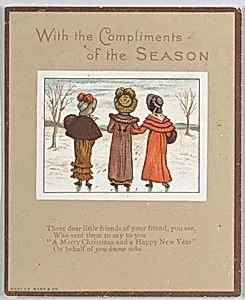
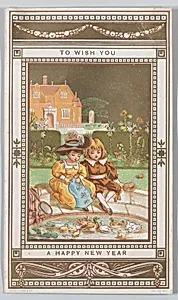
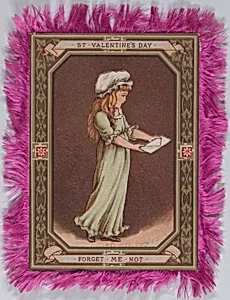
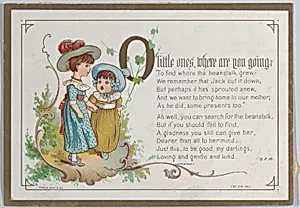
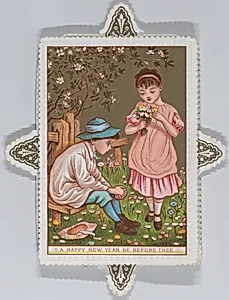
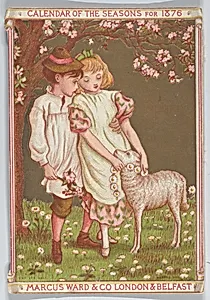
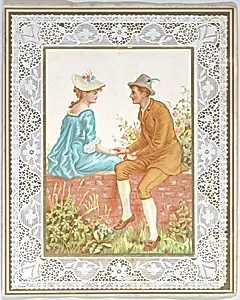
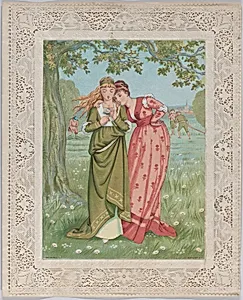
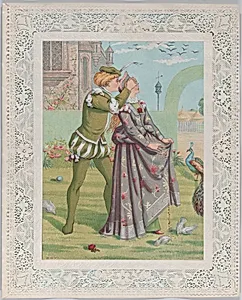
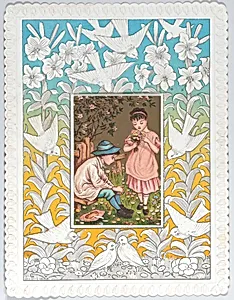
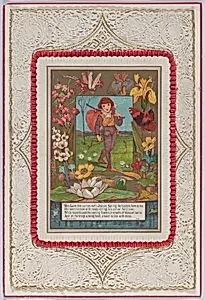
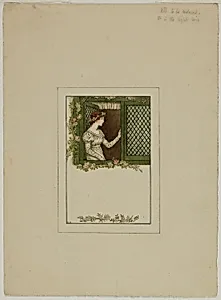
Kate Greenaway (1846–1901) was a British artist and writer who became one of the most beloved children's book illustrators of the Victorian era and a significant influence on children's fashion and popular culture. Born Catherine Greenaway in Hoxton, London, she studied at the Slade School of Fine Art and the Royal Female School of Art, and began her career designing greeting cards and magazine illustrations.
Greenaway's breakthrough came with "Under the Window" (1879), a collection of her own verses accompanied by charming illustrations of children in an idealized rural English setting, printed in color by the innovative engraver Edmund Evans. The book was an enormous commercial success, selling over 100,000 copies and establishing Greenaway as one of the three great Victorian illustrators of children's books, alongside Walter Crane and Randolph Caldecott.
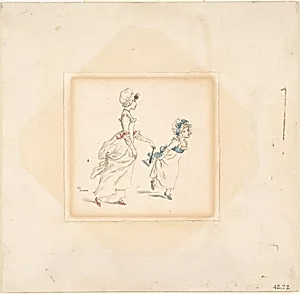
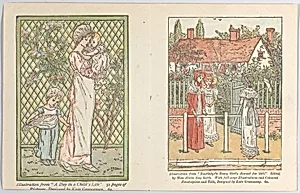
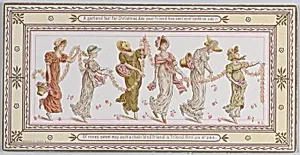
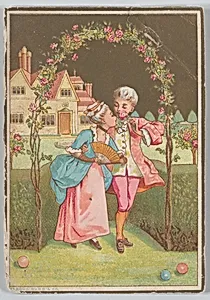
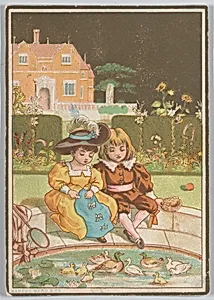
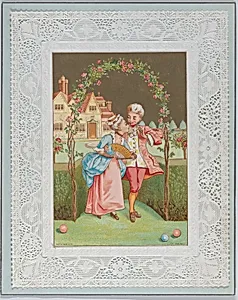
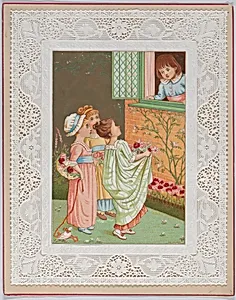
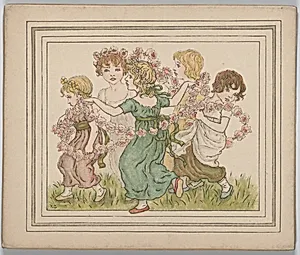
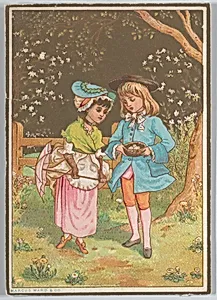
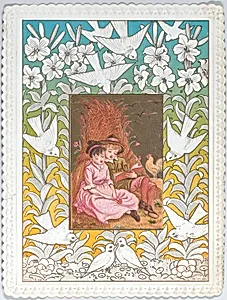
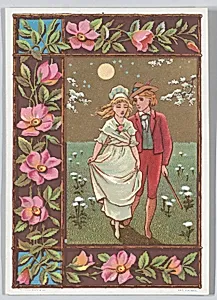
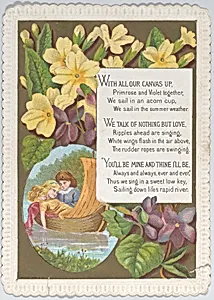
Her distinctive style depicted children in a nostalgic, prettified version of late eighteenth-century costume — high-waisted dresses, mob caps, and pinafores — set in gardens, meadows, and tidy village streets rendered in delicate watercolor with clean outlines. These illustrations were so popular that they influenced actual children's clothing fashion in Britain and abroad, with the "Greenaway style" becoming a recognizable aesthetic.
Greenaway published numerous popular works including "The Language of Flowers" (1884), annual almanacks, and illustrated editions of classic texts. She was admired by John Ruskin, who became her mentor and correspondent. She was elected to the Royal Institute of Painters in Water Colours. The Kate Greenaway Medal, Britain's most prestigious award for children's book illustration, was established in her honor. Her work is held by the Victoria and Albert Museum, the British Museum, and numerous public libraries.