Ctrl K
1855
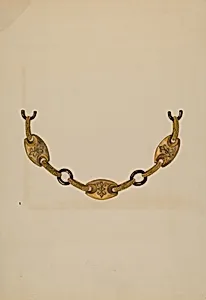
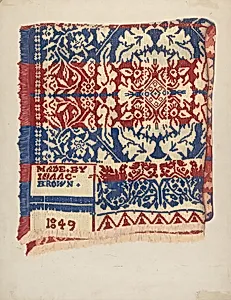
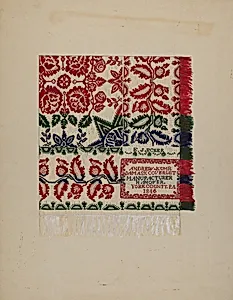
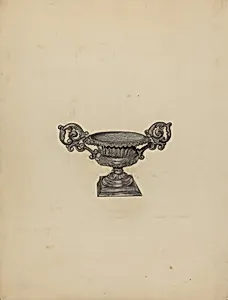
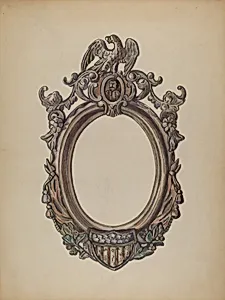
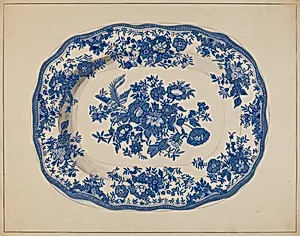
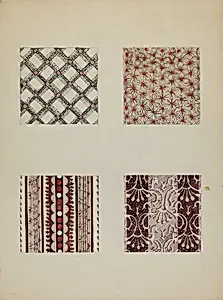
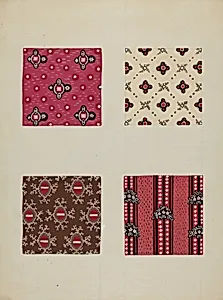
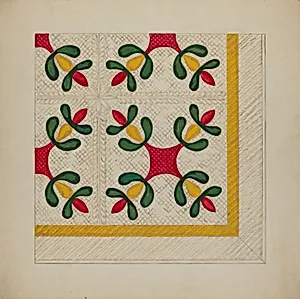
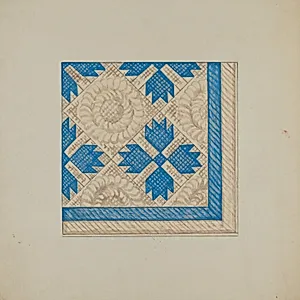
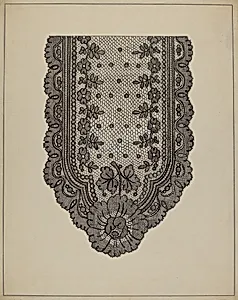
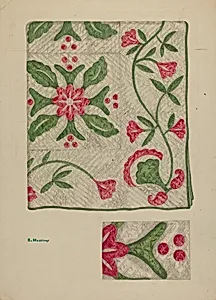
Katherine Hastings was an American artist active during the 1930s, best known for her contributions to the Index of American Design, a New Deal-era project under the Works Progress Administration (WPA). This ambitious initiative commissioned artists across the United States to create precise watercolor renderings of everyday folk and decorative objects, preserving a visual record of the nation's material culture before it faded into obscurity. Hastings produced at least 51 such works for the National Gallery of Art's collection, capturing the intricate details of quilts, textiles, furniture, and accessories with remarkable fidelity.
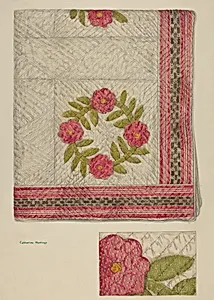
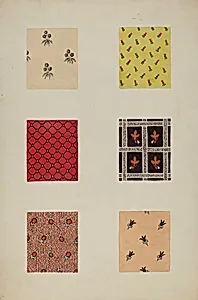
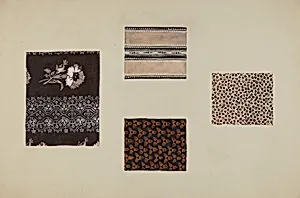
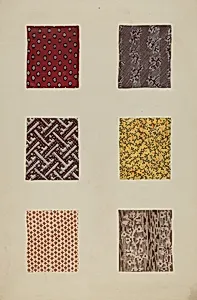
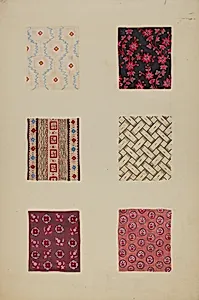
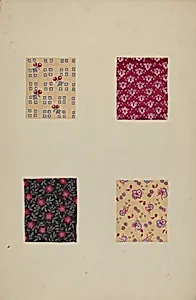
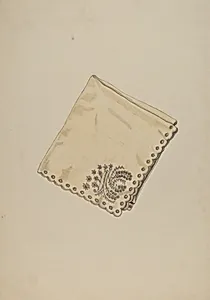
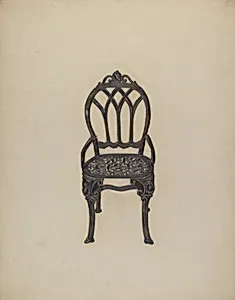
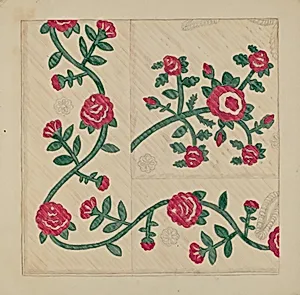
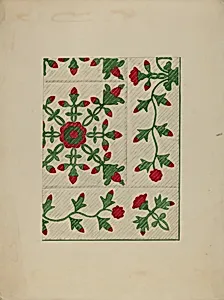
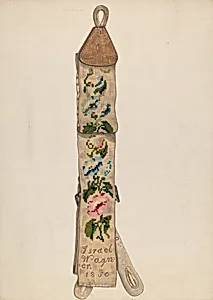
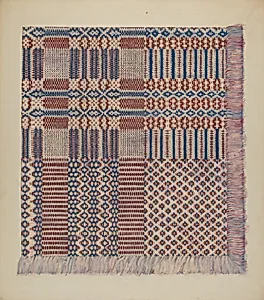
Little is documented about Hastings's early life, training, or formal education, placing her among the many WPA artists whose personal stories remain elusive amid the era's vast output. Her style, however, speaks volumes: characterized by meticulous watercolor, graphite, gouache, and colored pencil on paperboard, her renderings emphasize texture, pattern, and color with documentary precision rather than artistic embellishment. Works like *Quilt - Garden Wreath* (c. 1939) showcase her ability to evoke the laborious craftsmanship of hand-stitched fabrics, while *Boy's Suspenders* (c. 1938) and *Economy Handkerchief* (c. 1938) highlight utilitarian items transformed into art through her exacting gaze. Other notable pieces include *Coverlet* (c. 1938), *Quilt Patches* series (c. 1938), and *Garden Chair* (c. 1938), all part of the Index's 1943.8 series.
Though her individual legacy is tied inextricably to the Index, Hastings's output endures as a vital archive of pre-industrial American design—from vibrant patchwork quilts to simple household linens—offering insights into regional aesthetics and anonymous makers. Today, her illustrations educate viewers on the democratic beauty of vernacular art, reminding us how federal patronage during the Great Depression elevated everyday objects to cultural treasures. In an age of mass production, Hastings's work celebrates the handmade, inviting us to appreciate the artistry in the ordinary.