Ctrl K
1778–1852
Kawamura Kihō (河村琦鳳, 1778–1852) was a Japanese painter active during the late Edo period, a time when artistic traditions flourished amid urban prosperity and cultural refinement. Little is known about his early life or formal training, as biographical details remain scarce in historical records. Born in 1778, Kihō contributed to the vibrant world of album painting (gafu), producing intricate works that captured the delicate beauty of nature, a hallmark of Edo-era aesthetics.
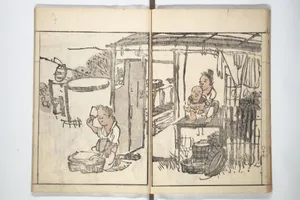
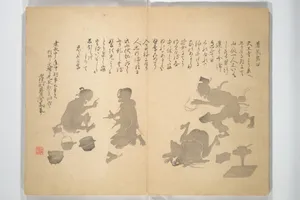
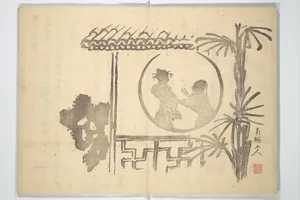
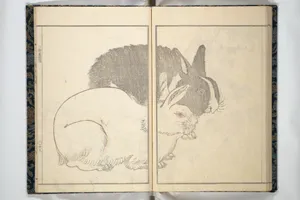
Kihō's artistic output is best represented by his celebrated albums, which showcase his mastery of floral motifs, lunar scenes, and harmonious compositions. His *Kihō Picture Album (Kihō gafu, 琦鳳画譜)*, dated 1826–1827, exemplifies his skill in delicate brushwork and vivid coloration, featuring studies of flowers and landscapes that evoke poetic tranquility. Another key work, *Album of Flowers and the Moon (Kagetsu jō, 花月帖)*, further highlights his affinity for seasonal imagery, blending blossoms under moonlight in a style reminiscent of literati painting traditions. These albums, preserved in prestigious collections such as the Metropolitan Museum of Art and the University of Pennsylvania Libraries, demonstrate Kihō's ability to infuse everyday natural elements with subtle emotional depth.
Though not aligned with a prominent school or movement in surviving accounts, Kihō's legacy endures through these institutional holdings, where his works serve as windows into late Edo artistic sensibilities. His paintings reflect the period's emphasis on refined observation and impermanence, influencing later generations of Japanese artists who prized such intimate, nature-centric expressions. Today, Kihō stands as a testament to the unsung talents of the era, his albums offering modern viewers a serene escape into Japan's artistic heritage. (312 words)