Ctrl K
1787–1867
Occupations
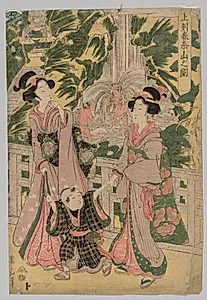
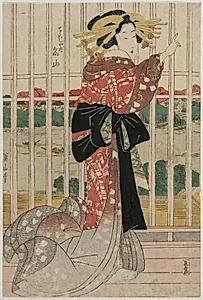
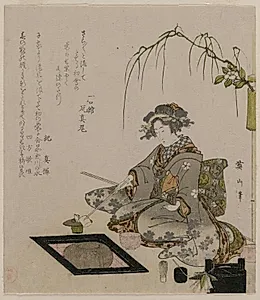
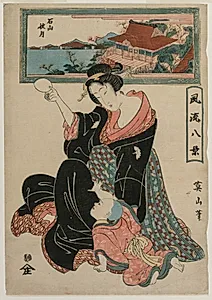
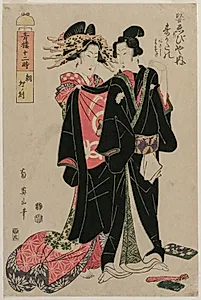
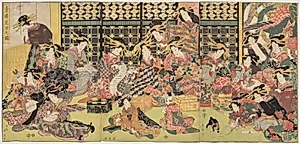
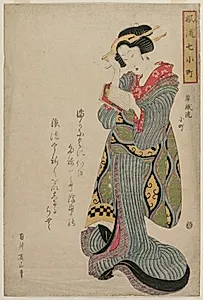
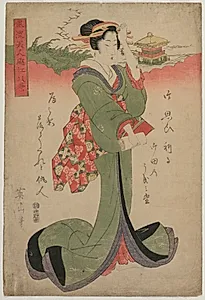
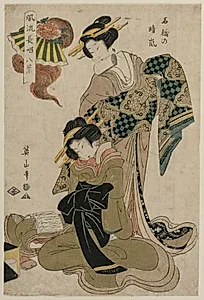
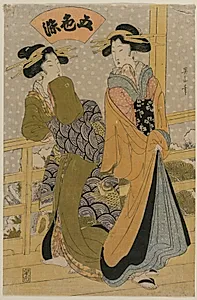
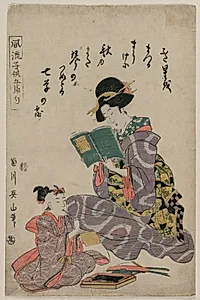
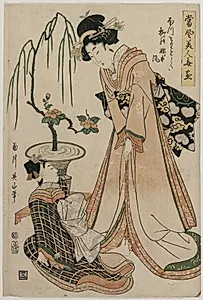
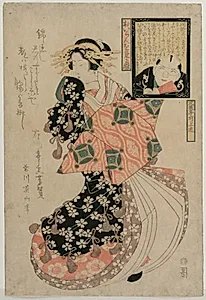
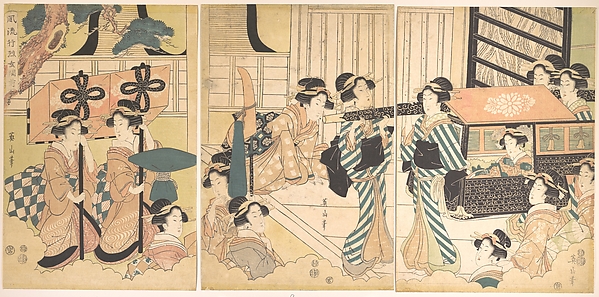
Kikukawa Eizan (1787–1867), born Toshinobu Ōmiya in Edo (modern Tokyo), emerged as a pivotal figure in ukiyo-e woodblock printing during Japan's late Edo period. He began his training under his father, Eiji Kikugawa, a minor painter and fan maker in the Kanō school tradition, before advancing to study with Suzuki Nanrei of the Shijō school and the ukiyo-e artist Totoya Hokkei, a pupil of Katsushika Hokusai. This rigorous apprenticeship equipped Eizan with a blend of classical painting techniques and the dynamic flair of popular printmaking, allowing him to forge the Kikugawa style, renowned for its refined depictions of beautiful women (bijin-ga).
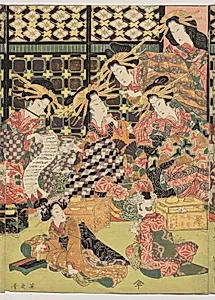
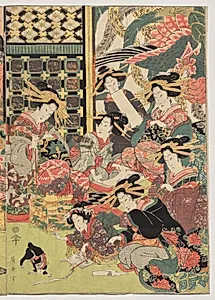
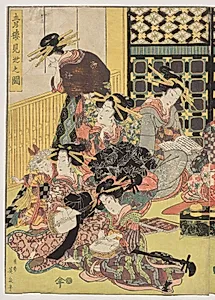
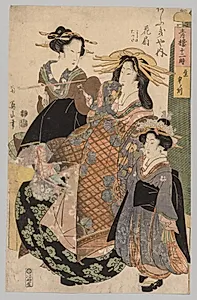
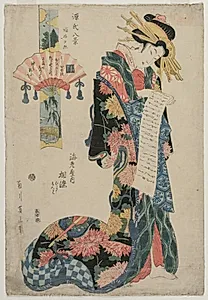
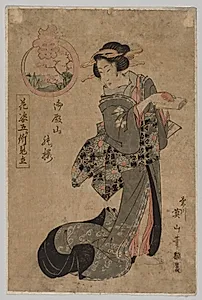
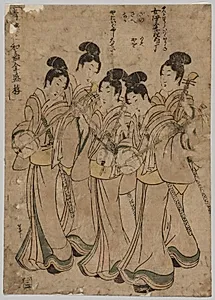
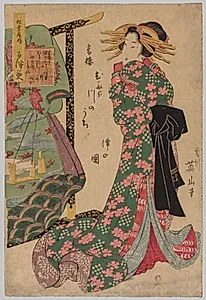
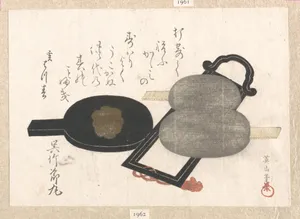
Eizan's oeuvre epitomizes the classical ukiyo-e aesthetic in bijin-ga, carrying forward the lyrical sensitivities of Kitagawa Utamaro after the master's death in 1806, while eschewing the earthier realism of contemporaries like Utagawa Kunisada. His graceful lines, harmonious colors, and ethereal grace transformed everyday scenes into elegant reveries, often featuring courtesans, geisha, and women in intimate moments. Prolific from around 1805 to the 1830s, he produced iconic series such as *Fūryū bijin awase* (Elegant Comparisons of Beauties), *Fūryū gojō soroi* (Matching the Five Cardinal Virtues), *Azuma sugata Genji awase* (Eastern Figures Matched with the Tale of Genji), including the print *Otome*, and *Nishiki kagami* (Brocade Mirror). Standout works include *Woman with Shamisen* (1808), *Mirror and Stand* (ca. 1815), and *Geisha Playing the Hand-Game Kitsune-ken* (1820), alongside erotic shunga prints that showcased his versatility.
Around 1830, amid the ukiyo-e industry's commercial pressures, Eizan largely abandoned print design for painting, mentoring talents like Keisai Eisen and influencing the transition from ethereal classicism to more grounded expressions in bijin-ga. As the longest-lived and most accomplished of Utamaro's late successors—alongside Tsukimaro and Utamaro II—Eizan preserved the genre's poetic alchemy, casting a "magic glow" over the material world. His legacy endures in museum collections worldwide, embodying ukiyo-e's final classical flourish before modernization reshaped Japanese art.
Wikidata (CC0); Getty ULAN (ODC-By)