Ctrl K
The artist known as Anonymous, French, 18th century, who created portraits of Louis XVI, King of France, remains unidentified, and their early life is not well documented. This unidentified printmaker was active in late-18th-century France, working in the tradition of etching, engraving, and stipple techniques that were widely used to reproduce and disseminate royal imagery during the Ancien Régime.
One of the artist's documented works is an etching titled *Louis XVI, King of France*, dated 1783 and measuring 22.3 by 16 cm, now held in the Metropolitan Museum of Art. Another is a late-18th-century color stipple engraving, *Portrait of Louis XVI*, also in the Met collection, presenting the king in an oval format typical of popular portrait prints. These pieces reflect the demand for accessible images of the monarch, who reigned from 1774 until the abolition of the monarchy in 1792.
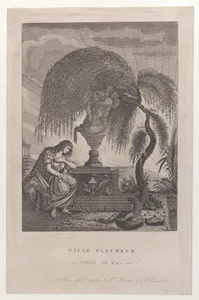
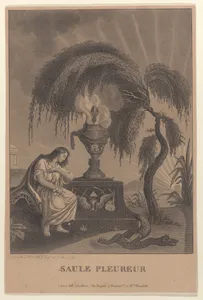
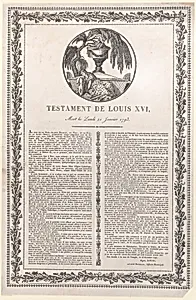
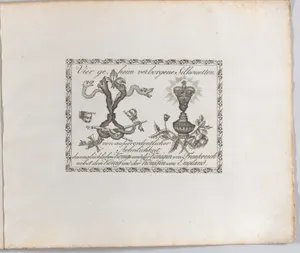
As political tensions rose, anonymous French artists of the period also produced prints related to Louis XVI's downfall, including depictions of his last words and the events surrounding his trial and execution by guillotine on 21 January 1793. Such works ranged from relatively straightforward records to more pointed or satirical views, capturing the dramatic shift in public attitudes toward the king.
The legacy of these anonymous creators lies in their contribution to the visual record of a transformative era. Inexpensive and widely circulated, their prints brought the image of Louis XVI—both as sovereign and as a figure of revolutionary controversy—to a broad audience, preserving key moments of the French Revolution for later generations. The five works in this collection illustrate the range and reach of 18th-century French graphic art.