Ctrl K
1869–2011
**Kinney Brothers Tobacco Company (1869–2011)**
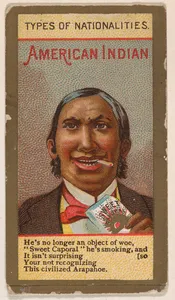
Founded around 1869 by Francis Sherwood Kinney in New York City, the Kinney Brothers Tobacco Company quickly rose to prominence in the burgeoning American cigarette industry. Francis, a pioneering tobacco manufacturer, experimented with hand-rolled cigarettes using blends of Turkish and Virginia tobacco, scaling to mass production by employing European cigarette-rollers as instructors and adopting early mechanized rolling techniques. His brother, Abbot Kinney, soon joined the venture, formalizing the partnership as Kinney Brothers. By the 1870s, amid the post-Depression boom in cigarette output—from 28 million in 1873 to over 500 million by 1880—the firm became one of the "Big Six" dominators, alongside Allen & Ginter and others, controlling 75% of the national market. Operating factories in New York and Richmond, Virginia, they launched flagship brands like Sweet Caporal in 1878, alongside Full Dress, Kinney’s Straight Cut, and Sportsman’s Caporal.
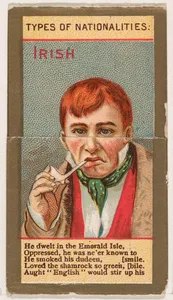
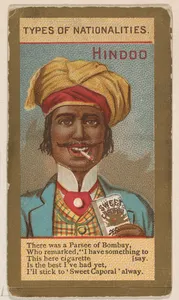
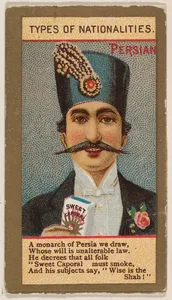
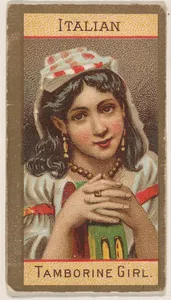
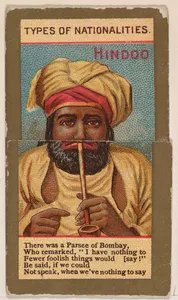
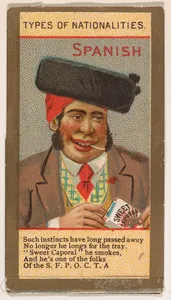
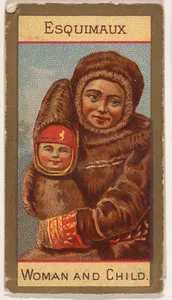
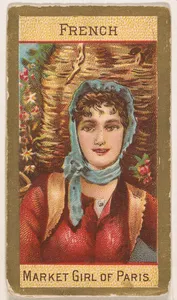
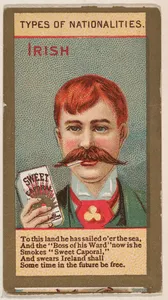
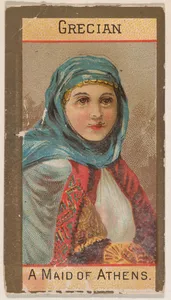
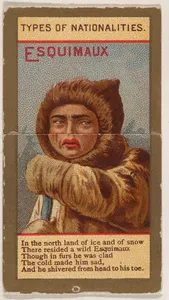
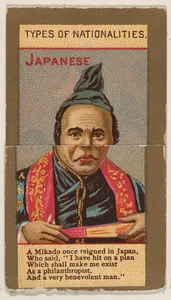
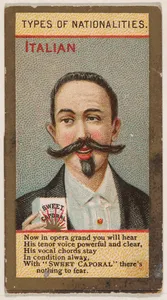
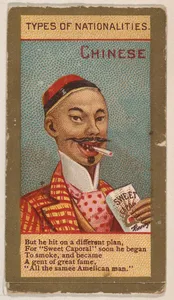
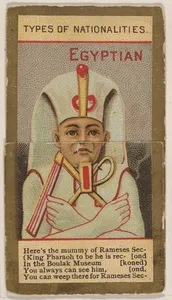
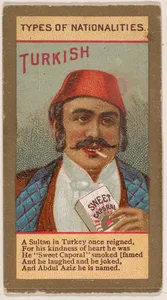
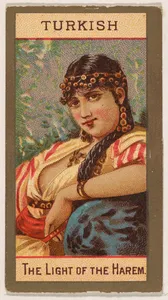
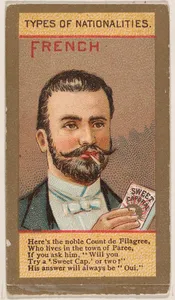
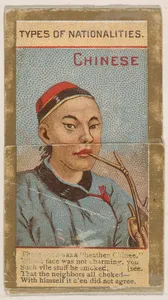
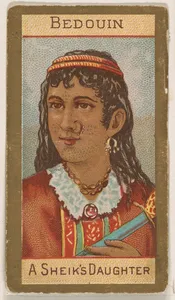
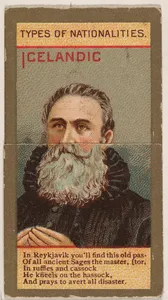
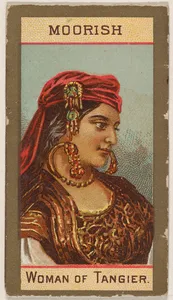
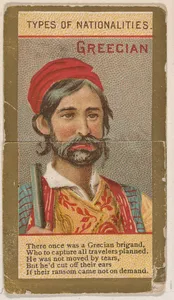
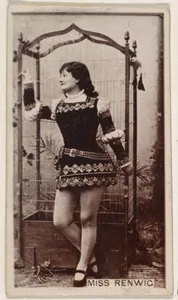
The company's artistic legacy lies in its innovative use of chromolithographed trade cards, inserted into cigarette packs as collectibles to boost brand loyalty for Sweet Caporal and Kinney Bro's High-Class Cigarettes. These vibrant, Victorian-era cards exemplified commercial lithography, featuring diverse themes in meticulously cataloged N-series during the 1880s: Military Series (N224, 1888), National Dances (N225, 1889), Leaders (N222, 1888), Transparent Playing Cards (N220, 1888), Harlequin Series (N219, 1888–89), Actresses (N245), Butterflies of the World, Famous Gems, Naval Vessels, Flags of All Nations, Novelties (N228), and Surf Beauties, among others. Later T-series cards ventured into baseball, including the iconic 1910 T206 Honus Wagner. Produced at their West 22nd Street facility—which churned out 18 million cigarettes weekly before a devastating 1892 fire—these cards transformed advertising into art, blending education, exoticism, and whimsy.
In 1890, Kinney Brothers merged into the American Tobacco Company trust, securing $5 million in stock and fueling a near-monopoly on U.S. cigarettes. Sweet Caporal endured post-1911 antitrust dissolution, thriving in Canada until 2011 under Imperial Tobacco. Today, the company's 2,500+ trade cards grace collections at the Metropolitan Museum of Art, Smithsonian, and beyond, celebrated as precursors to modern trading cards and ephemera art. Their work captures Gilded Age commercial ingenuity, where tobacco promotion birthed enduring visual treasures.