Ctrl K
1880–1918
**Lancelot Crane (1880–1918)** was a British artist and illustrator best known for his precise facsimiles of ancient Egyptian tomb paintings. Born in Hammersmith, London, as the son of the prominent Arts and Crafts illustrator and designer Walter Crane, he grew up immersed in the artistic world.
Crane studied at the Royal College of Art, where he earned an Associateship in 1905 and later a traveling scholarship in painting. He also received personal tuition from his father. These experiences shaped his technical skill in detailed rendering and illustration. He exhibited regularly at the Royal Academy from 1909 onward and produced illustrations for works such as editions of Aesop’s Fables.
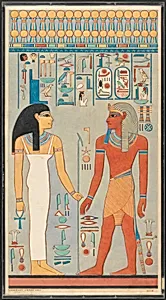
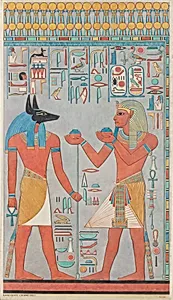
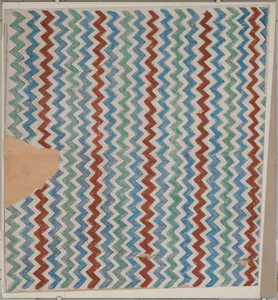
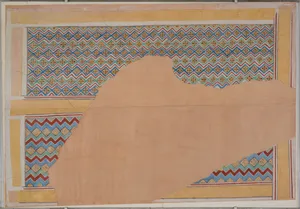
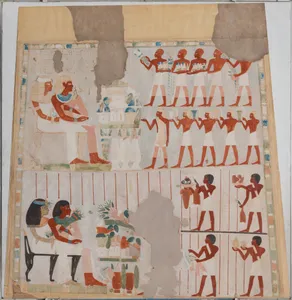
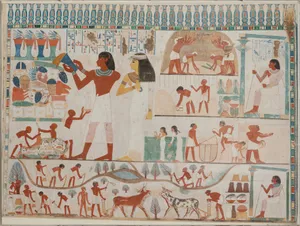
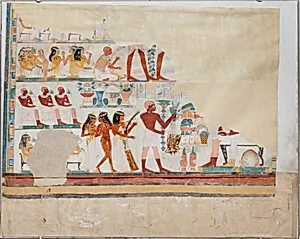
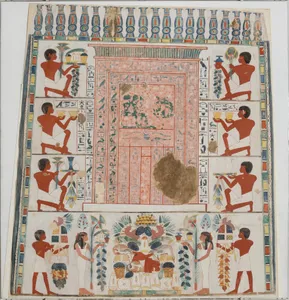
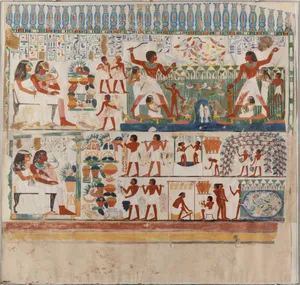
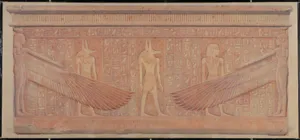
His most significant contributions came through archaeological illustration. Crane worked with American Egyptologist Theodore M. Davis, creating accurate copies of wall paintings from important New Kingdom tombs. Notable examples include his 1909–1911 facsimiles from the Tomb of Haremhab (now in the Metropolitan Museum of Art), depicting scenes such as the king with Anubis and details from the Book of Gates, as well as work from the tomb chapel of Nakht. These watercolors and drawings remain valuable records of the originals.
Crane’s career was cut short by the First World War. He served as a Second Lieutenant in the Royal Garrison Artillery and was killed in action on 15 March 1918; he is buried in Étaples Military Cemetery in France. His Egyptian facsimiles, preserved in major museum collections, continue to support art-historical and Egyptological study, extending the documentary legacy of his father’s generation into the realm of archaeological preservation.