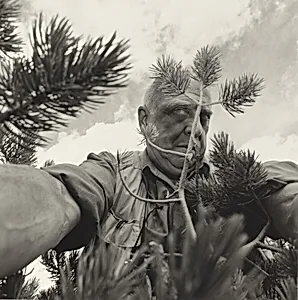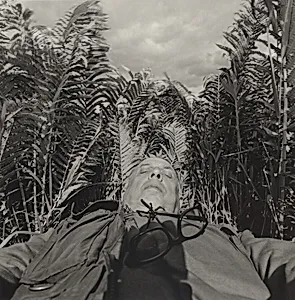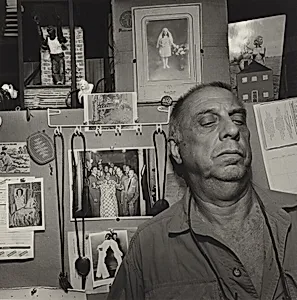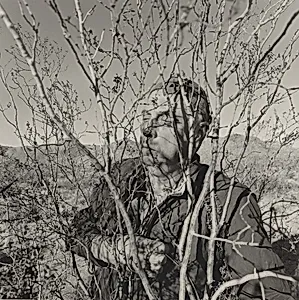
Lee Friedlander, born on July 14, 1934, in Aberdeen, Washington, to a Finnish-descended mother, Kaari Nurmi, and German-Jewish émigré father, Fritz Friedlander, discovered photography at age 14 amid a fascination with the medium's equipment. Tragedy marked his childhood when his mother died of cancer at age seven, yet he pursued his passion, earning pocket money with a camera before studying under photographer Edward Kaminski at the Art Center School in Los Angeles from 1953 to 1955. Kaminski became a close mentor, housing the young artist and exposing him to influences like Wynn Bullock and Imogen Cunningham. After briefly attending the Art Center College of Design in Pasadena, Friedlander relocated to New York City in 1956, freelancing for magazines and album covers while photographing jazz musicians.
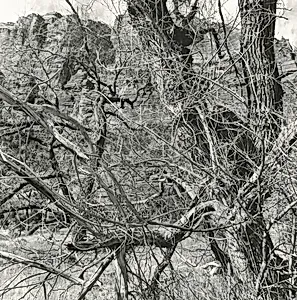
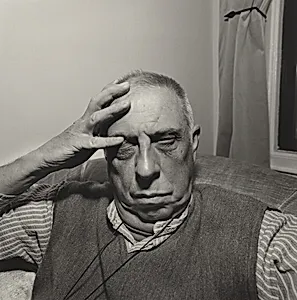
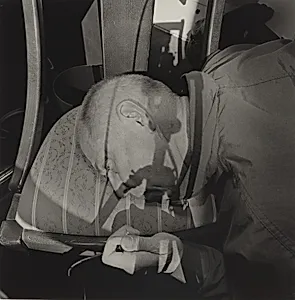
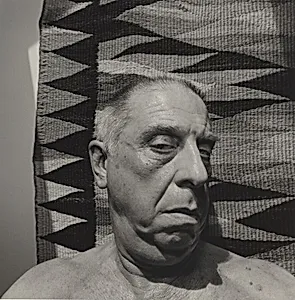
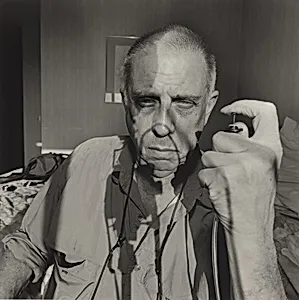
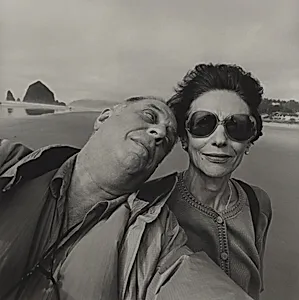
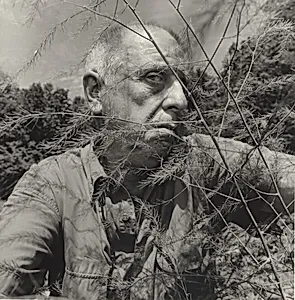
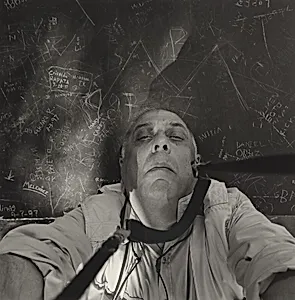
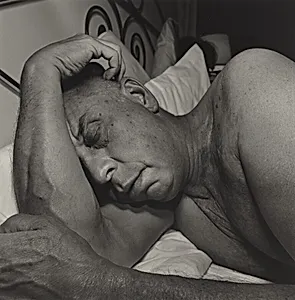
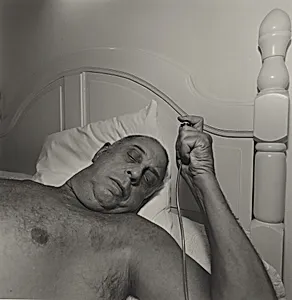
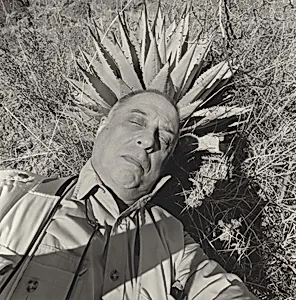
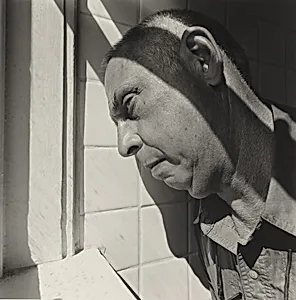
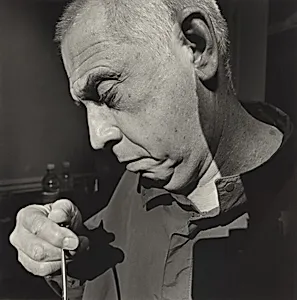
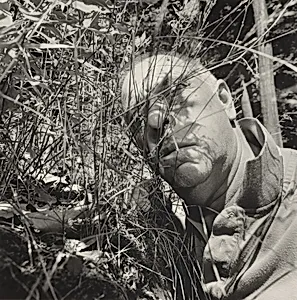
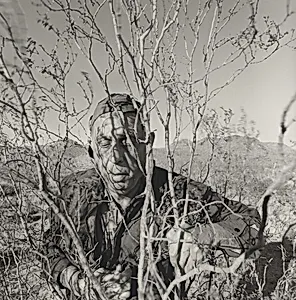
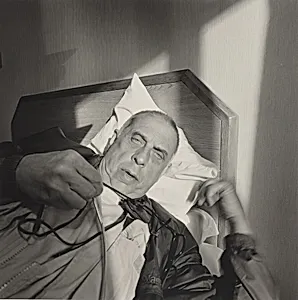
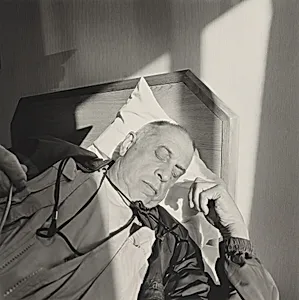
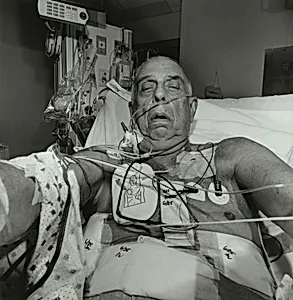
Friedlander's signature style emerged in the 1960s, defining the urban "social landscape" tradition through asymmetrical black-and-white images captured with a handheld 35mm Leica. His compositions layer reflections in storefronts, shadows, street signs, fences, and fragmented figures, blending detachment with wry humor to capture modern America's chaos—echoing Eugène Atget, Robert Frank, and Walker Evans. A pivotal moment came in 1967 with John Szarkowski's "New Documents" exhibition at MoMA, alongside Diane Arbus and Garry Winogrand, cementing his provocative snapshot aesthetic. Key works include the self-reflexive *Self Portrait* series (published 1970), *The American Monument* (1976) critiquing public memory amid billboards, *Factory Valleys* (1982) documenting industrial decay, *Nudes* (1991), and *America by Car* (2010), which distills roadside vistas through windshields.
In 1958, Friedlander married Maria, his frequent muse, with whom he raised daughter Anna (married to photographer Thomas Roma) and son Erik, a cellist. Multiple Guggenheim Fellowships (1960, 1962, 1977) and a 1990 MacArthur "genius" grant fueled over 50 self-published books, from *Stems* (2003) to *The Human Clay* series (2015–2017). Retrospectives like MoMA's 2005 survey affirm his legacy as a cornerstone of street photography, challenging conventions with dense, imitated visuals that reveal the disquieting poetry of everyday life.