Ctrl K
1807–1845
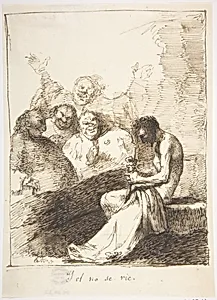
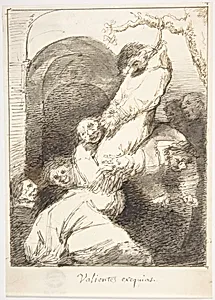
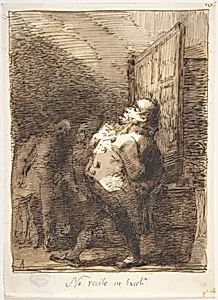
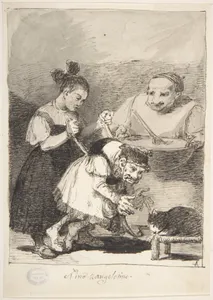
Leonardo Alenza y Nieto (1807–1845) was a Spanish painter and caricaturist whose brief life produced a body of work remarkable for its satirical wit, psychological penetration, and painterly freedom. Born in Madrid, he trained at the Real Academia de Bellas Artes de San Fernando, the preeminent institution for artistic education in Spain, where he absorbed the technical foundations of academic painting. The decisive formative influence on his art, however, was Francisco de Goya, whose dark satirical vision and expressive brushwork profoundly shaped Alenza's own approach.
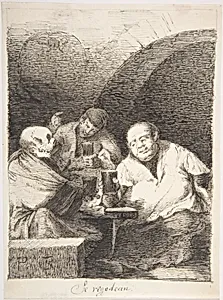
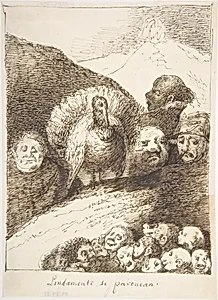
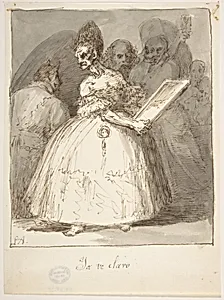
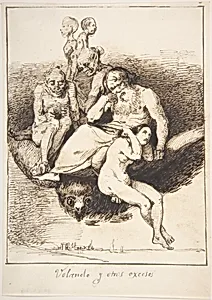
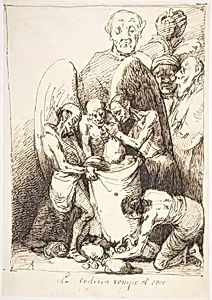
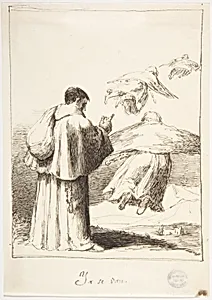
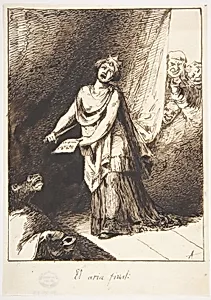
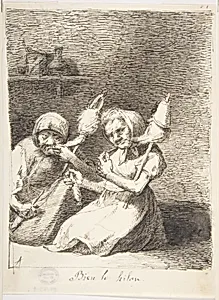
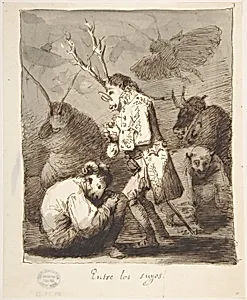
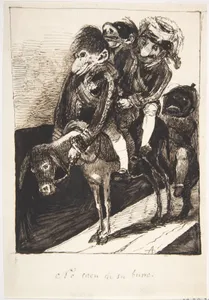
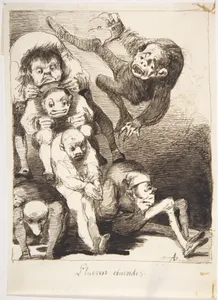
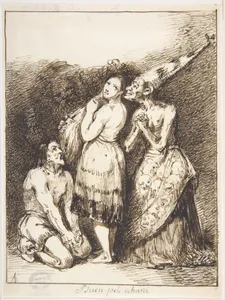
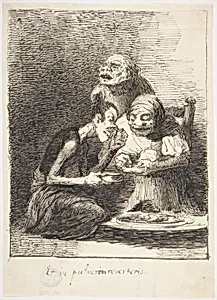
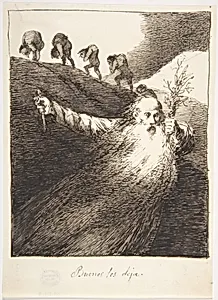
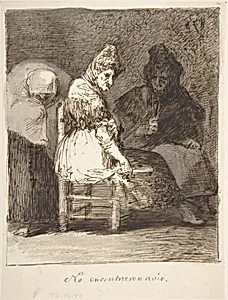
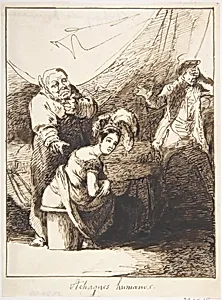
Alenza worked primarily in oil on small-format panels and in drawing, depicting scenes of popular Madrid life, tavern gatherings, bandits, witchcraft, and the grotesque underbelly of Spanish society with a Goyaesque intensity. His paintings share with Goya's Black Paintings and the Disparates a taste for the macabre and the absurd, rendered with a spontaneous, almost febrile touch that suits the unruly subjects. He also produced accomplished portraits and genre scenes of more conventional character, demonstrating the range of his technical abilities.
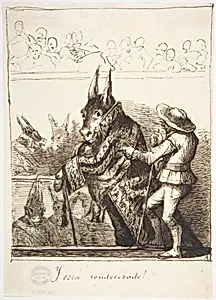
Some of his most admired works depict suicides, violent scenes, and moments of social dissolution — images that reflect both his personal temperament and the romantic fascination with darkness and transgression that characterized much European art of the 1830s and early 1840s. His caricatures, circulated in the popular press, gave his satirical instincts a wider public audience and connected his work to the emerging culture of graphic journalism.
Alenza died at only thirty-eight, leaving a legacy that might have been far larger had he lived longer. His work is held in the Museo del Prado and other Spanish collections, where it stands as a testament to the enduring vitality of the Goyaesque tradition in nineteenth-century Spanish painting. He is recognized as one of the most gifted and original Spanish artists of his generation.
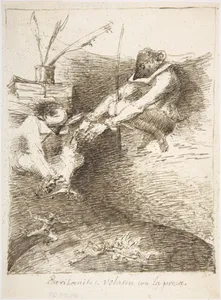
![Long Live the Chains! ("Vivan las caenas [cadenas]")](https://images.artheonmuseum.org/met/dp/thumb/long-live-the-chains-vivan-las-caenas-cadenas-335163.webp)