Ctrl K
1504–1590
Leone Leoni (1504–1590) was an Italian sculptor and medalist who rose to become one of the most celebrated court artists of sixteenth-century Europe, serving emperors, kings, and popes with equal distinction. Born in Menaggio on Lake Como, he trained as a goldsmith and medallist, skills that brought him to the attention of powerful patrons at a time when the portrait medal was one of the most prestigious forms of artistic production. His early career was turbulent — he spent time working at the papal mint in Rome and later faced a criminal conviction — but his extraordinary talent secured him repeated rehabilitation and advancement.
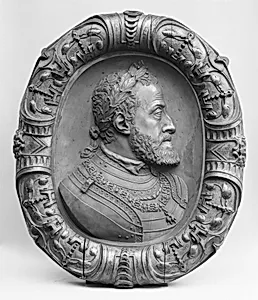
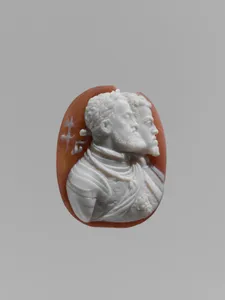
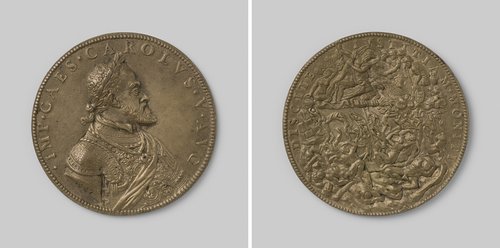
Leoni's breakthrough came with his appointment as master of the imperial mint in Milan and, more importantly, through his relationship with the Habsburg court. He became the favored sculptor of Emperor Charles V and later Philip II of Spain, producing bronze portrait busts and figures of commanding authority and psychological intensity. His bronze group of Charles V Triumphant over Fury, cast in the 1550s and now in the Prado, is among the most ambitious and technically daring portrait sculptures of the Renaissance, showing the emperor in antique armor with an allegorical prisoner chained at his feet.
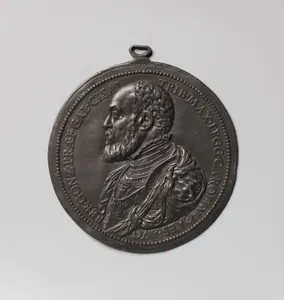
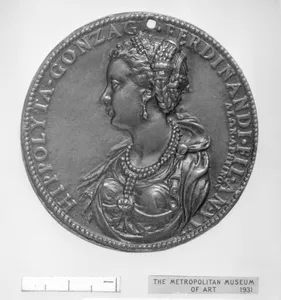
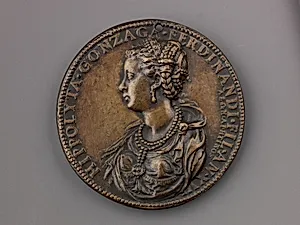
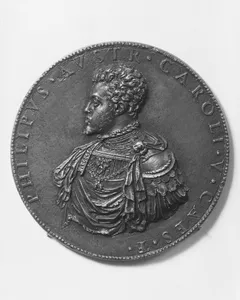
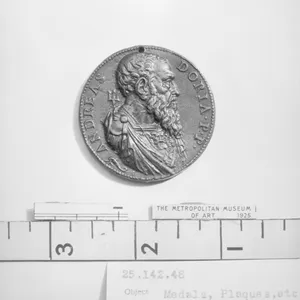
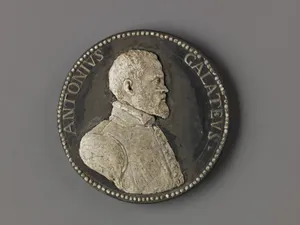
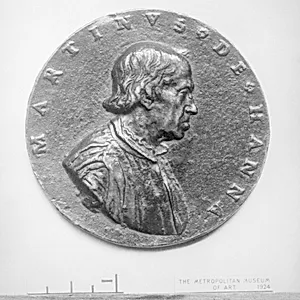
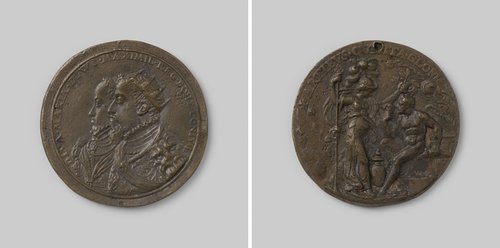
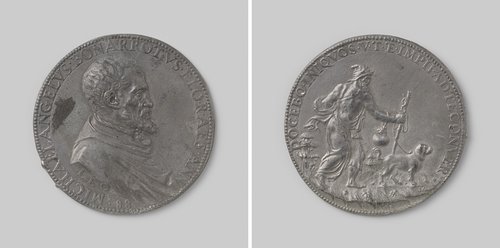
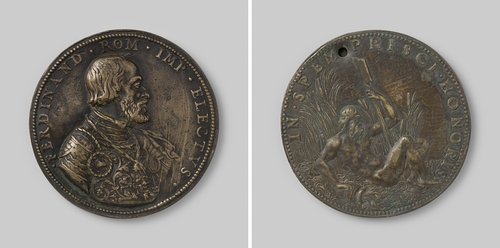
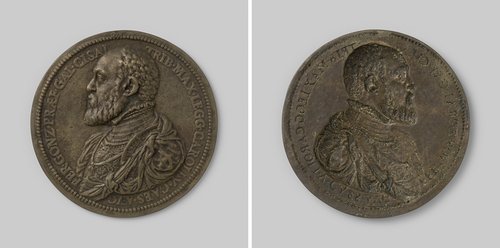
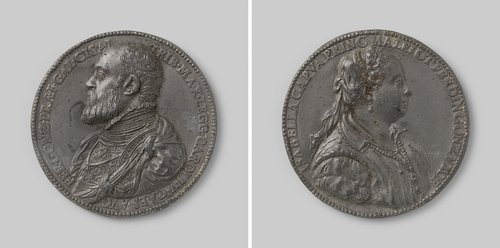
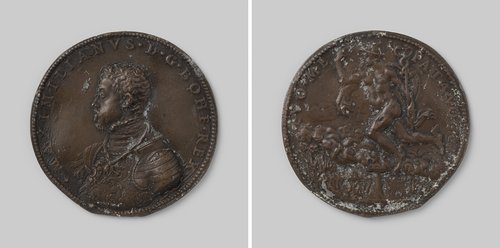
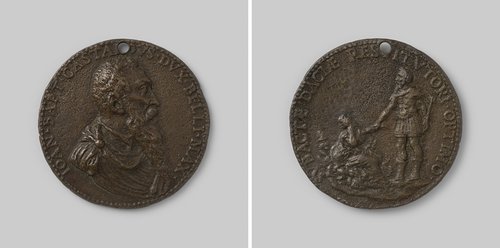
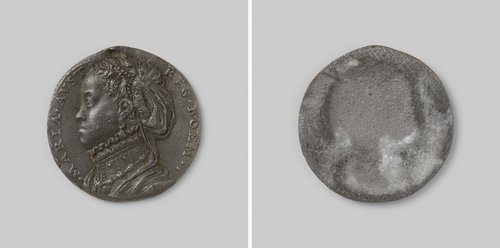
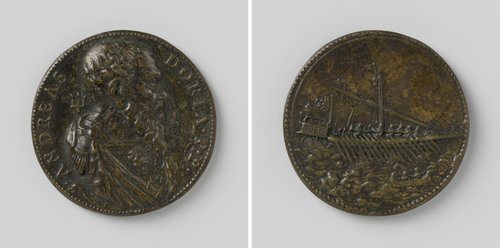
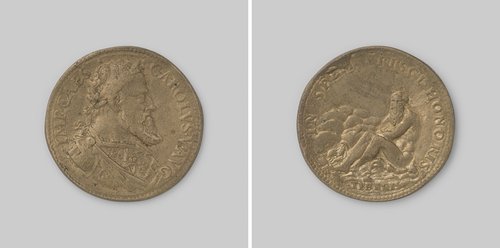
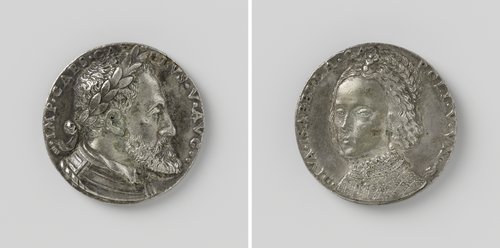
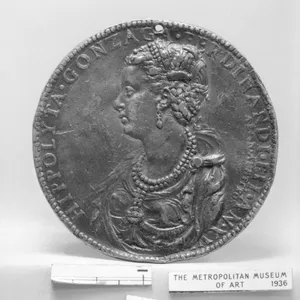
As a medalist, Leoni produced an exceptional series of portrait medals documenting the leading figures of his age — rulers, intellectuals, and artists — with a refinement of modeling that set the standard for the form. His son Pompeo Leoni followed him into the imperial service and continued the family's extraordinary patronage relationships.
Leoni's legacy rests on his role in transmitting the Renaissance bronze portrait tradition from Italy to the courts of northern Europe. His work demonstrates how a skilled artist could translate the language of classical antiquity into a vehicle for projecting the authority of early modern monarchs.