Lewis Baltz (1945–2014) was born on September 12 in Newport Beach, California, where he developed an early passion for photography, beginning seriously at age 12. His father passed away when he was 11, an event that marked his childhood. Baltz pursued formal training at Monterey Peninsula College in 1967, followed by a BFA from the San Francisco Art Institute in 1969 and an MFA from Claremont Graduate School in 1971. These institutions honed his skills during a pivotal era for American photography, positioning him at the forefront of a new generation challenging romanticized landscapes.
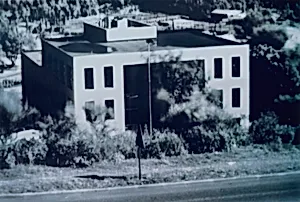
Baltz emerged as a central figure in the New Topographics movement, showcased in the landmark 1975 exhibition *New Topographics: Photographs of a Man-Altered Landscape* at George Eastman House alongside Robert Adams, Stephen Shore, and others. His stark, minimalist monochrome images dissected the banal desolation of suburban sprawl, industrial parks, and tract housing, critiquing the hollow promises of the American Dream through factories, parking lots, and office blocks. Key early series include *The Prototype Works* from the late 1960s, *The New Industrial Parks near Irvine, California* (1974), *Nevada* (1978), *Park City* (1980), *San Quentin Point* (1985), and *Candlestick Point* (1989), often published as portfolios that emphasized seriality and conceptual rigor.
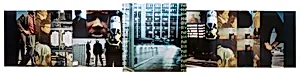
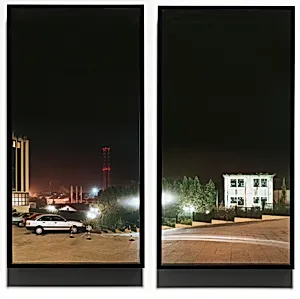
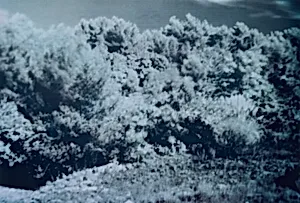
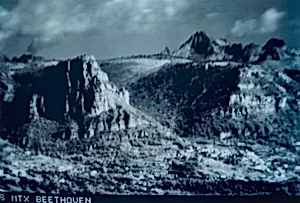
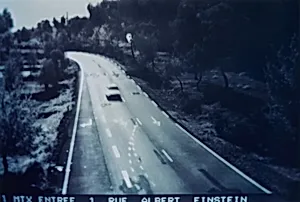
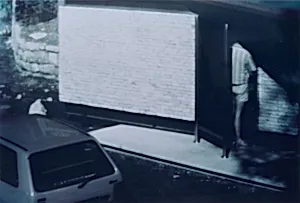
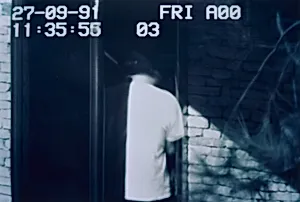
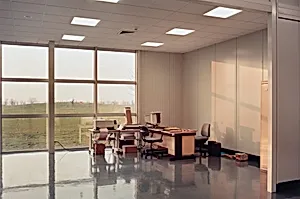
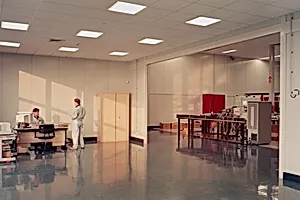
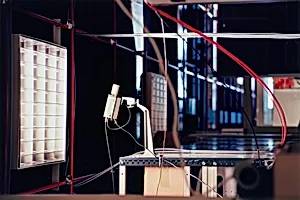
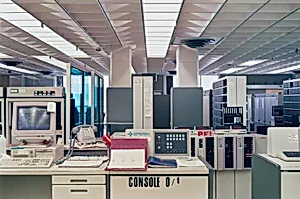
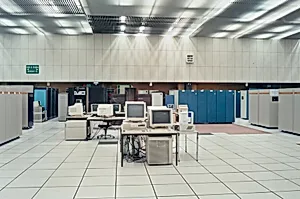
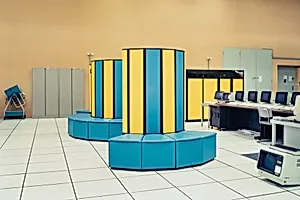
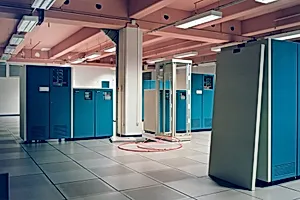
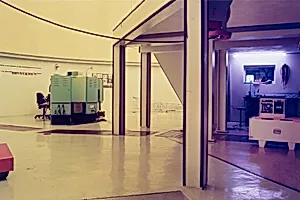
In the late 1980s, Baltz relocated to Europe, shifting to large-scale color photography exploring high-tech industries and urban voids in works like *Sites of Technology* (1989–92), *Rule Without Exception* (1991), and the *Ronde de Nuit* trilogy—including *Docile Bodies* and *Politics of Bacteria* (1998)—alongside multimedia projects such as *Deaths in Newport* (1995). A prolific educator, he taught at institutions like the California Institute of the Arts, University of California Riverside, and the European Graduate School, co-founding Venice's Arsenale Institute in 2006. Honored with National Endowment for the Arts grants (1973, 1977) and a Guggenheim Fellowship (1977), Baltz's oeuvre reshaped conceptual landscape photography, with works in prestigious collections including the Guggenheim, MoMA, Tate Modern, and LACMA. His unflinching gaze on modernity's scars endures as a profound meditation on human impact.