Ctrl K
1874–1940
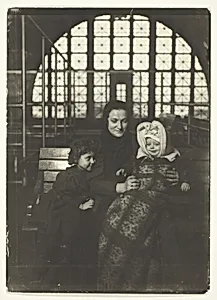
Lewis Wickes Hine (1874–1940) was born on September 26 in Oshkosh, Wisconsin, to Douglas and Sarah Hine, who ran a coffeehouse and restaurant on Main Street. After his father's accidental death from a self-inflicted gunshot wound around 1892, the teenage Hine supported his widowed mother and sisters through various jobs while pursuing education. He attended Oshkosh Normal School, where he met mentor Frank A. Manny, head of experimental education, who encouraged his teaching aspirations and provided part-time work. Hine followed Manny to the University of Chicago in 1900 for sociology studies, then to New York City's Ethical Culture School in 1901 as an assistant teacher of nature study and geography. There, he introduced photography to his students during field trips to Ellis Island, capturing immigrants arriving between 1904 and 1909, marking his shift to documentary work as a tool for social reform.
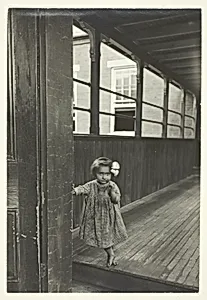
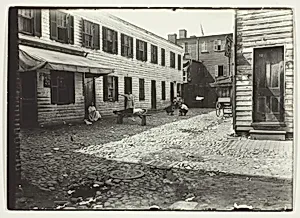
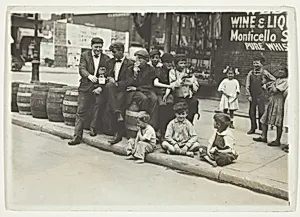
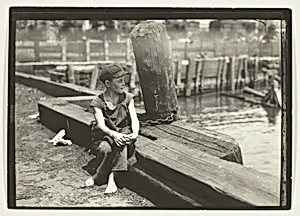
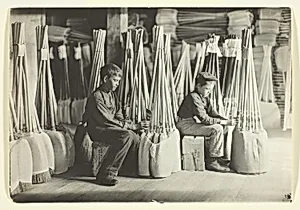
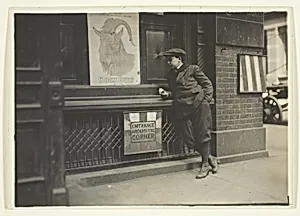
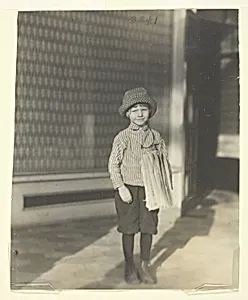
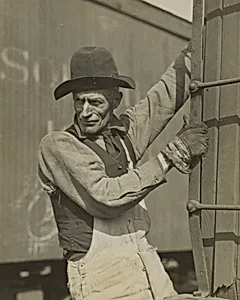
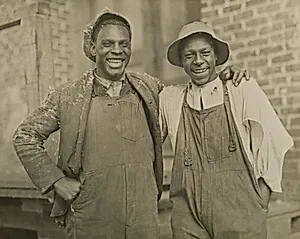
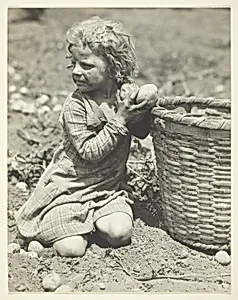
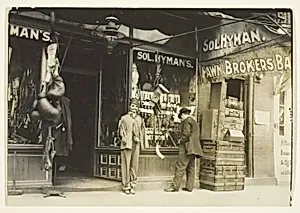
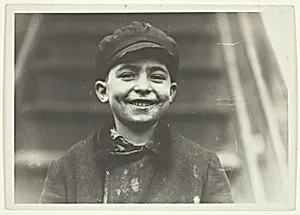
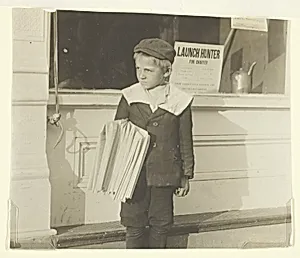
Hine's style evolved into "photo-interpretations," blending sociological insight with empathetic realism to humanize the exploited. In 1907, he documented steelworkers for the Russell Sage Foundation's Pittsburgh Survey. From 1908 to 1916, as official photographer for the National Child Labor Committee, he produced iconic images like "Young Doffers in the Elk Cotton Mills" (1910), "Little Lottie, a regular oyster shucker" (1911), and "Newsies at Skeeter's Branch" (1910), exposing grueling conditions that fueled lobbying for reform. During and after World War I, he photographed Red Cross relief in Europe, culminating in "The Children’s Burden in the Balkans" (1919).
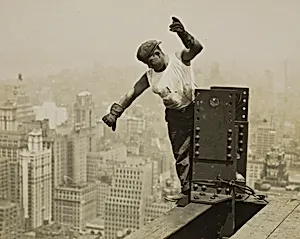
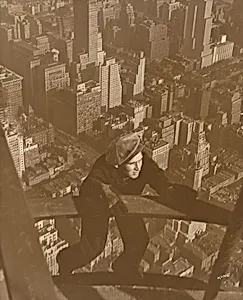
In the 1920s and 1930s, Hine shifted to celebrating industrial might, capturing Empire State Building construction workers in precarious poses (1930–1932), published as *Men at Work* (1932). He later documented Tennessee Valley Authority projects and served as chief photographer for the Works Progress Administration's National Research Project (1936). Despite professional struggles and poverty in his final years, Hines's child labor images helped establish the Children's Bureau (1912) and the Fair Labor Standards Act (1938), ending widespread exploitation; today, he is hailed as a pioneering documentary master whose work inspired generations.