Ctrl K
1889–1949
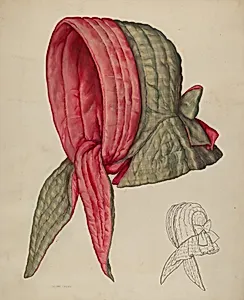
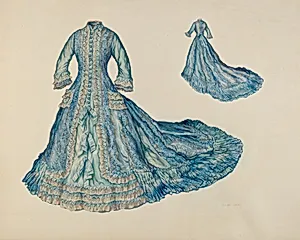
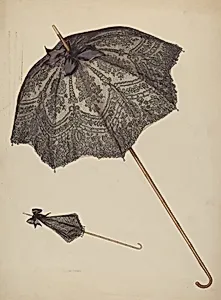
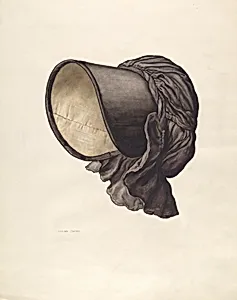
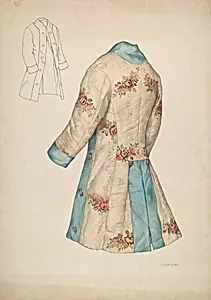
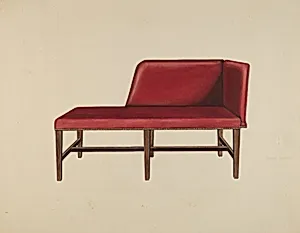
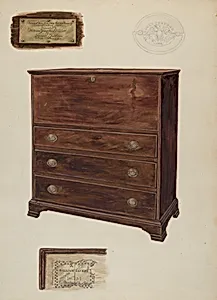
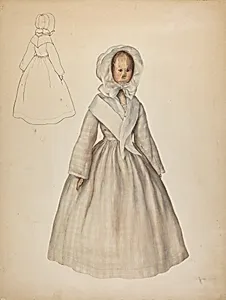
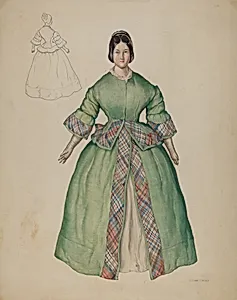
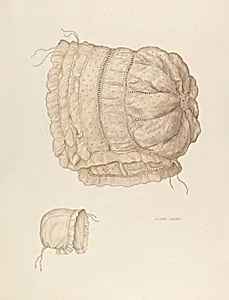
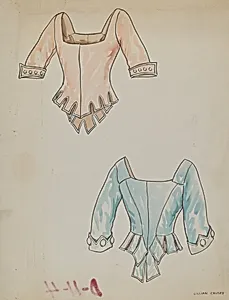
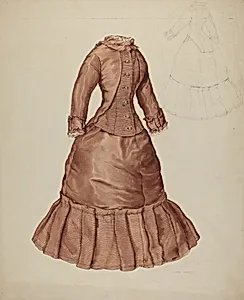
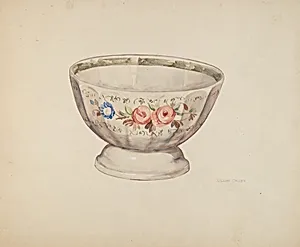
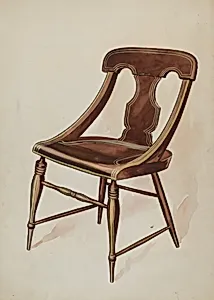
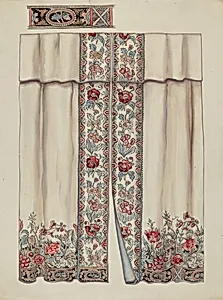
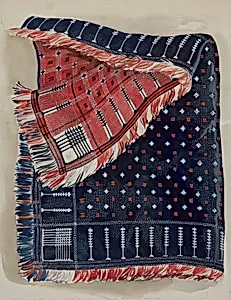
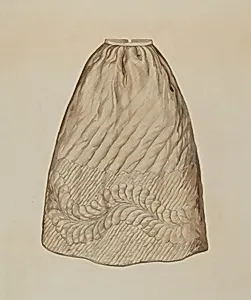
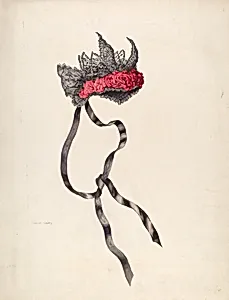
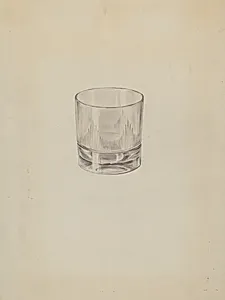
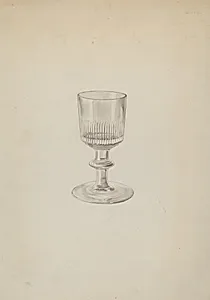
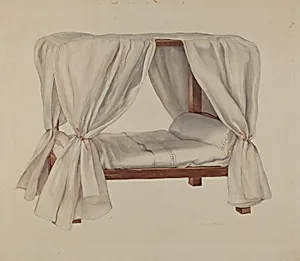
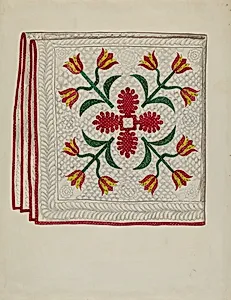
Lillian Causey (1889–1949) was an American artist best known for her meticulous watercolor and graphite renderings of everyday American folk objects, created as part of the Index of American Design (IAD), a Federal Art Project under the Works Progress Administration (WPA). Active primarily between 1935 and 1942, Causey contributed hundreds of detailed illustrations to this ambitious New Deal initiative, which sought to document and celebrate the nation's vernacular crafts, textiles, and decorative arts amid the Great Depression. Her works capture the textures, patterns, and historical significance of quilts, clothing, and household items with a precision that elevates utilitarian objects into artistic studies of cultural heritage.
Little is known about Causey's early life or formal training, as biographical details remain sparsely documented beyond her professional output in the IAD. She likely honed her skills as an illustrator through practical experience, emerging during a time when the WPA provided vital employment for artists across the United States. Working in a realistic style characterized by subtle gouache washes, fine graphite lines, and accurate color matching, Causey adhered to the IAD's goal of faithful reproduction rather than interpretive flourish, embodying the project's ethos of artistic nationalism and preservation.
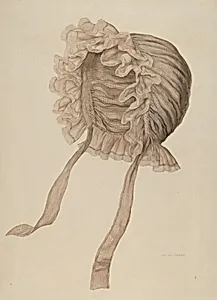
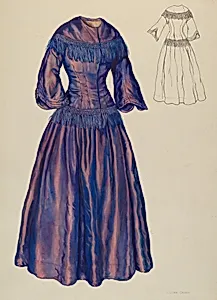
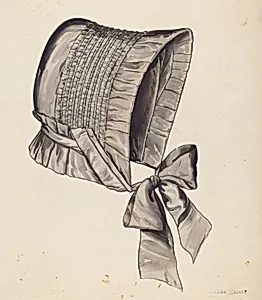
Among her major works are vivid depictions such as *Quilt* (c. 1936), an appliquéd masterpiece showcasing intricate floral motifs; *Quaker Bonnet* (c. 1937), rendered in soft watercolors that highlight its simple, functional elegance; and *Woman's Slippers* (c. 1936), which meticulously details embroidered leather craftsmanship. Other notable pieces include *Wedding Dress* (c. 1936), *Parasol* (c. 1941), and *Shaker Dress* (1935–1942), many now housed in the National Gallery of Art's extensive IAD collection.
Causey's legacy endures through her role in safeguarding ephemeral American design traditions—from Quaker attire to Baltimore Album quilts—for future generations. Her 85 works in this virtual museum collection exemplify how Depression-era art projects not only sustained artists but also fostered a deeper appreciation for the anonymous makers of everyday beauty, influencing mid-20th-century interest in folk art and Americana.