Ctrl K
1794–1832
**Rudolph Ackermann (1764–1834)** was a pivotal Anglo-German publisher, printseller, and entrepreneur whose London-based business shaped Regency-era visual culture through innovative printmaking and illustrated publications. Born in Stollberg, Saxony, he trained as a saddler and coach-builder before moving to London around 1787. He initially worked in carriage design and related trades, later establishing premises that evolved into a major hub for art materials, prints, and books.
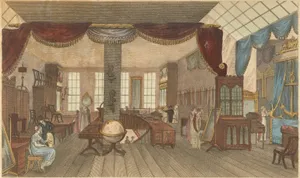
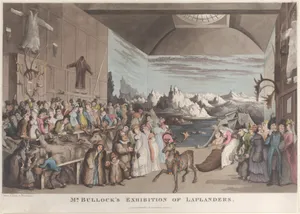
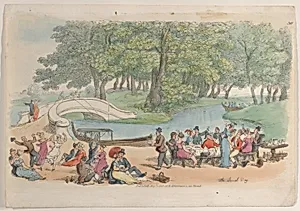
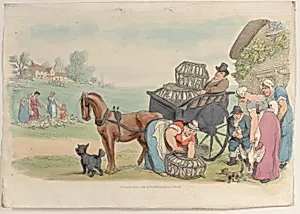
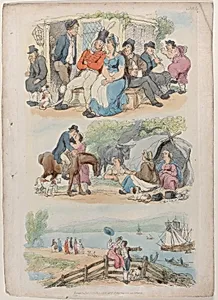
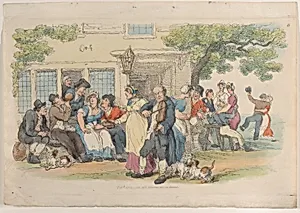
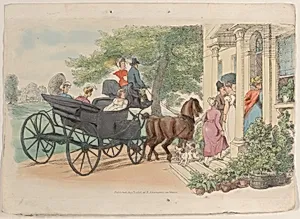
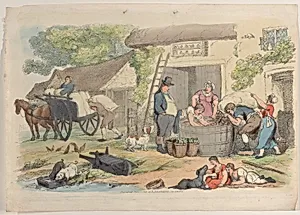
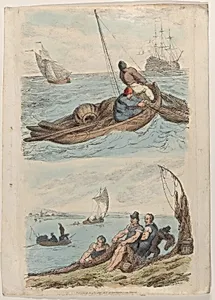
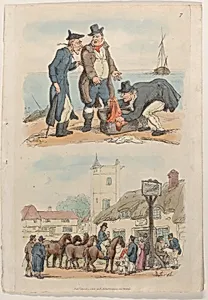
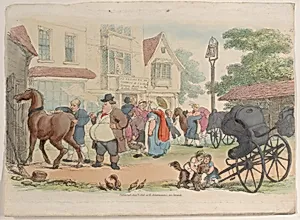
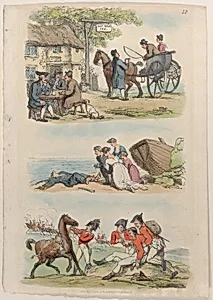
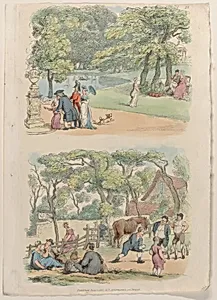
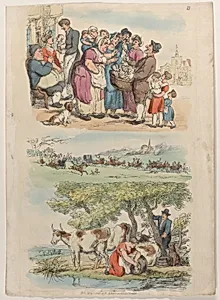
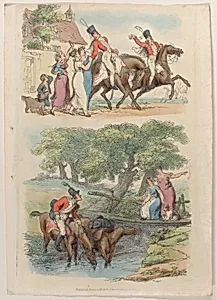
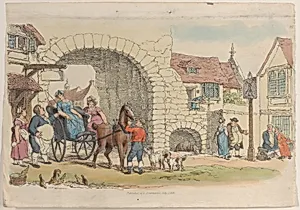
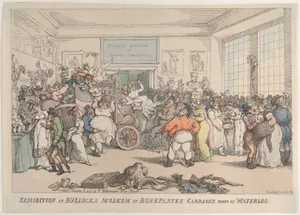
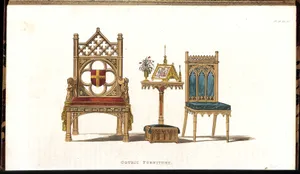
Ackermann opened his influential Repository of Arts at 101 Strand in 1797, creating a multifaceted space that combined a shop selling watercolours, prints, and supplies with a gallery, library, and drawing school (active until around 1806). He championed aquatint and became one of the earliest British adopters of lithography in 1818, producing vibrant hand-coloured plates that popularized architectural views, fashion plates, and topographical scenes. His publications often featured collaborations with artists such as Augustus Charles Pugin and Thomas Rowlandson, blending commercial appeal with artistic ambition.
Among his most notable projects was the long-running *Repository of Arts, Literature, Commerce, Manufactures, Fashions and Politics* (1809–1829), alongside landmark colour-plate books like *The Microcosm of London* (1808–1811) and numerous military and travel volumes. These works documented contemporary life while advancing technical standards in reproductive printmaking. Ackermann also supported relief efforts during the Napoleonic Wars and was naturalized as a British citizen in 1809.
Ackermann’s legacy endures through the thousands of prints and books that survive in museum collections worldwide, including over 700 works associated with his imprint. By democratizing access to high-quality imagery and fostering a commercial art ecosystem outside the Royal Academy, he helped define the visual language of early nineteenth-century Britain and influenced generations of publishers and illustrators. His business continued under family and successors well into the Victorian era.