
Ctrl K
1787–1860
**William Home Lizars (1788–1859)** was a prominent Scottish engraver, painter, and publisher based in Edinburgh. Born into a family of engravers and printers, he was the son of Daniel Lizars (d. 1812), who had trained under the noted engraver Andrew Bell. Lizars apprenticed under his father before studying at the Trustees’ Academy in Edinburgh under John Graham, where he was a fellow student of the painter Sir David Wilkie.
Following his father’s death in 1812, Lizars took over the family business of engraving and copperplate printing to support his mother and siblings. He employed notable artists including Horatio McCulloch and Daniel Macnee. His work encompassed portraits, topographical views, and innovative techniques such as a metallic relief engraving process. He became known for high-quality hand-coloured plates in natural history publications, working in the established Scottish tradition of precise, detailed engraving.
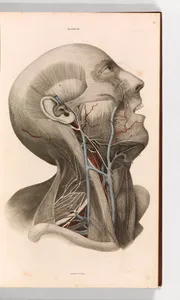
Lizars produced plates for major works including Prideaux John Selby’s *Illustrations of British Ornithology* and the multi-volume *Illustrations of Ornithology* (1826–43) edited by Selby and Sir William Jardine (his brother-in-law). He initially engraved plates for John James Audubon’s *The Birds of America* before production moved to London. He also created anatomical plates for his brother, the surgeon John Lizars, designed banknotes for the Bank of Scotland, and contributed illustrations of Scottish scenery. Lizars exhibited paintings in Edinburgh and London, with works such as *Reading the Will* and *A Scotch Wedding* later entering the National Gallery of Scotland.
He played a key role in founding the Royal Scottish Academy and was elected an Associate Engraver in 1827. Lizars died in Edinburgh in 1859 and is buried in St Cuthbert’s Churchyard. His studio’s output helped shape 19th-century natural history illustration and Scottish printmaking, leaving a lasting legacy in both artistic and scientific publishing.
All 1 artworks loaded