Ctrl K
1599–1641
Luca Ciamberlano was an Italian engraver and printmaker active in the early seventeenth century, born around 1599. He worked primarily in Rome, where he trained within the vibrant community of printmakers who served the city's flourishing art market. His craft developed in close proximity to some of the most ambitious publishing enterprises of the period, and he became closely associated with the influential publisher and engraver Cornelis Galle, through whom he absorbed the refined techniques of Flemish line engraving that were then transforming Italian printmaking.
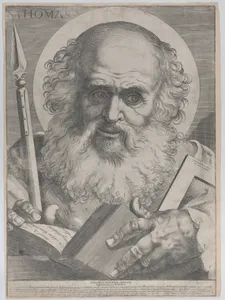
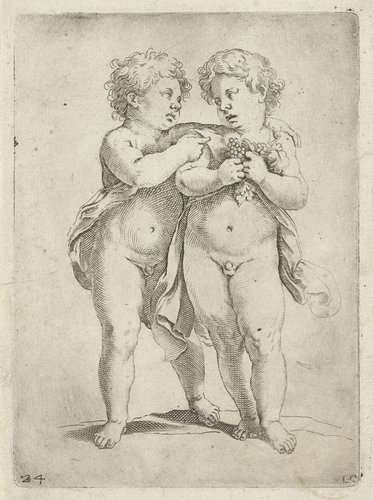
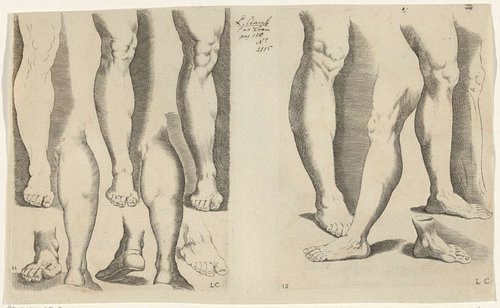
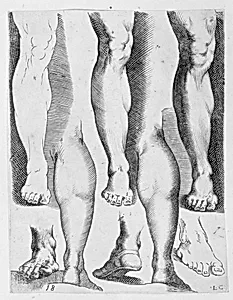
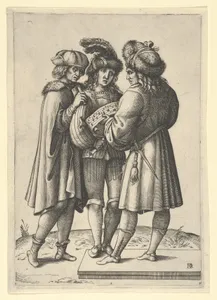
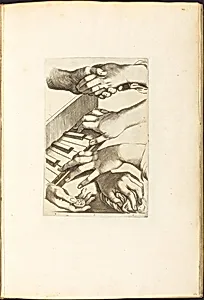
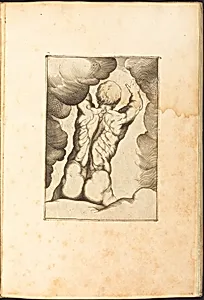
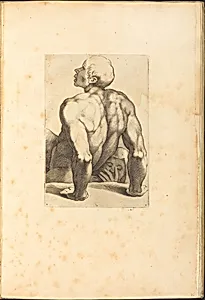
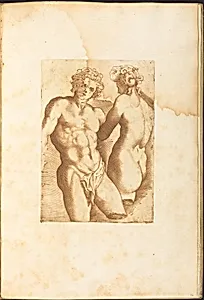
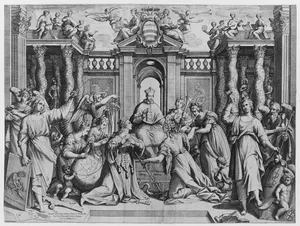
Ciamberlano worked predominantly as a reproductive engraver, translating the compositions of major painters — including works associated with Raphael's legacy and the Baroque masters of Rome — into the medium of the printed page. His engravings are characterized by precise, controlled hatching and a clarity of line that prioritized legibility and faithful reproduction over dramatic personal expression. He contributed plates to illustrated books and series that circulated religious, mythological, and historical subjects throughout Catholic Europe, serving a broad devotional and educational audience.
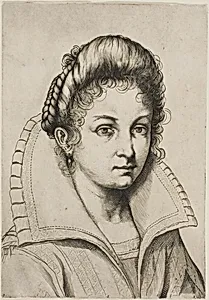
Among his documented output are engravings after paintings and designs by prominent Roman artists, as well as original portrait prints of notable ecclesiastical and aristocratic figures. His work appeared in publications that helped disseminate the imagery of the Counter-Reformation Church, linking his career to the larger project of visual propaganda that defined Roman artistic culture in the decades following the Council of Trent.
Ciamberlano died in 1641, leaving behind a body of work that, while modest in fame, reflects the professional world of the specialist engraver whose skills were indispensable to the communication of images across early modern Europe. His prints survive in major collections and continue to be studied as documents of how great paintings were received, reproduced, and disseminated before the age of mechanical reproduction.