Ctrl K
1595–1675
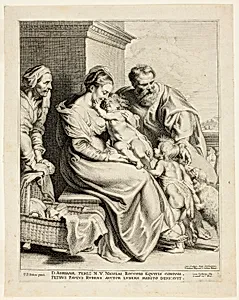
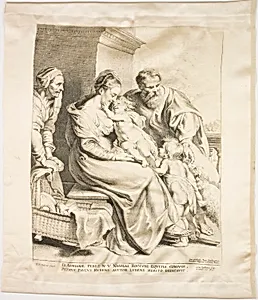
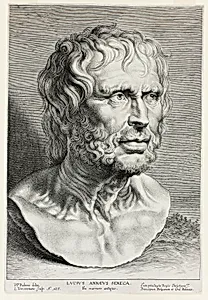
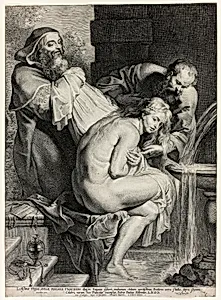
Lucas Vorsterman the Elder, also known as Lucas Emil Vorsterman (1595–1675), was a preeminent Flemish Baroque engraver renowned for his reproductive prints after the era's leading painters. Born in Zaltbommel in the Dutch province of Gelderland to a family of artists, his early life remains sparsely documented beyond the fact that he began practicing engraving at the age of twelve. Around 1617–1618, he moved to Antwerp and entered the workshop of Peter Paul Rubens, where he trained as the master's principal engraver, honing a distinctive burin technique of layered lines to evoke Rubens's vibrant coloring, expressive figures, and noble compositions. In 1619, he married Anna Vrancx, and their eldest son, Lucas Vorsterman II—born in 1624 and later a fellow engraver—was baptized with Rubens as godfather, underscoring their close ties.
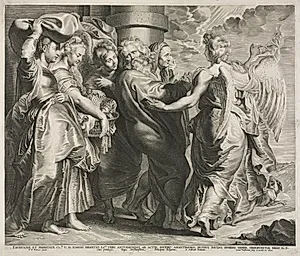
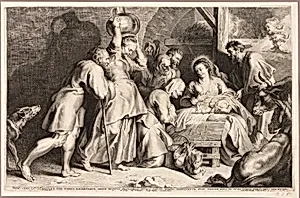
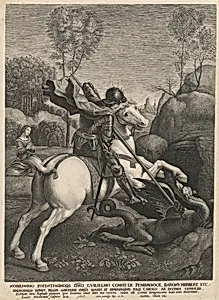
Vorsterman's collaboration with Rubens peaked between 1619 and 1621, producing monumental reproductive engravings that disseminated the master's oeuvre across Europe. Key works include the *Adoration of the Shepherds* and *Deposition* (both 1620), followed by the *Adoration of the Magi*, *Tribute Money*, and *Martyrdom of Saint Lawrence* (all 1621), among ten large plates from 1620 and five from 1621. A bitter dispute erupted in 1621 when Vorsterman added his own dedications to the prints, sparking legal tensions over authorial rights and ending their partnership. He departed for London in 1624, securing patronage from Charles I and Thomas Howard, Earl of Arundel, while continuing as an art dealer and publisher.
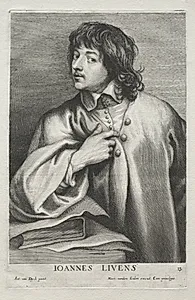
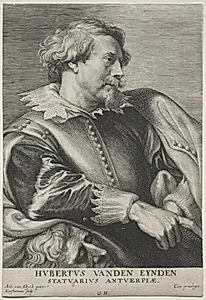
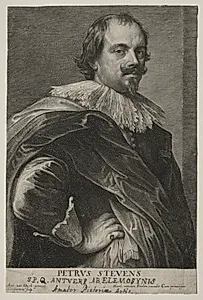
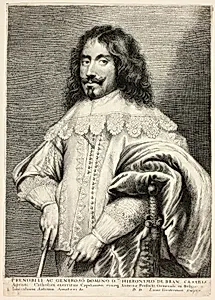
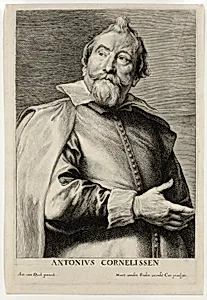
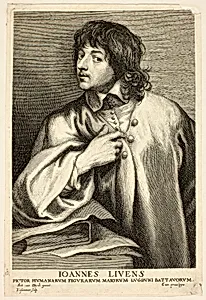
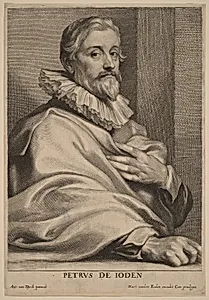
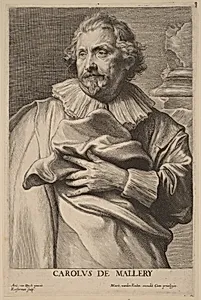
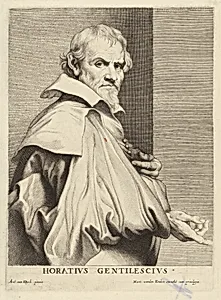
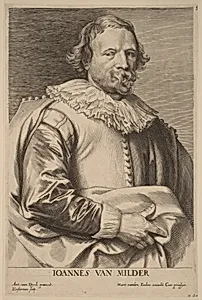
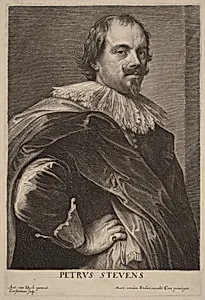
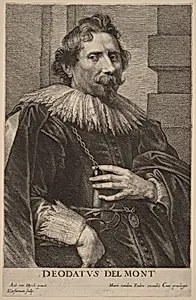
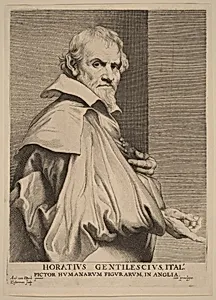
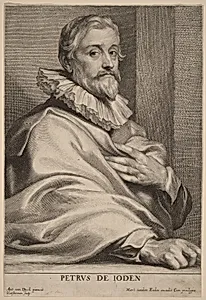
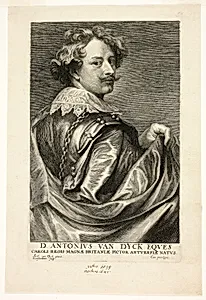
Returning to Antwerp in 1630, Vorsterman collaborated with Anthony van Dyck, engraving twenty-two plates for the artist's *Iconography* series of portraits. He also mentored pupils such as Paulus Pontius, Hans Witdoeck, and his son Lucas II, embedding his precise, dynamic style—rooted in the Flemish Baroque tradition—into the next generation. In his final years, blindness and poverty afflicted him; the Antwerp Guild of St. Luke provided support until his death in 1675. Vorsterman's legacy endures as a pivotal figure in printmaking, bridging painting and dissemination, with over fifty works preserving the grandeur of Rubens and van Dyck for posterity.