Ctrl K
1130–1170
**Ma Hezhi (1130–1170)** was a distinguished Chinese painter of the Southern Song dynasty, renowned for his historical figure paintings and illustrations created under imperial patronage. Active primarily during the reigns of Emperors Gaozong (r. 1127–1162) and Xiaozong (r. 1162–1189), he held the esteemed status of a scholar-gentleman while engaging with the court painting academy. Historical records, including *Ancient Matters of Wulin* and the later *Treasured Mirror of Painting*, identify him as head of the court painters and note his rise to the official position of Vice Director for the Ministry of Works.
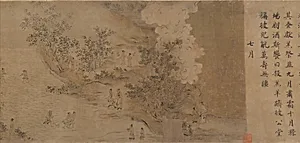
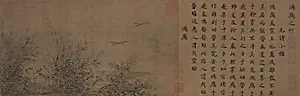
Unlike many contemporaries who specialized in romantic landscapes, Ma Hezhi focused on narrative historical illustration. His most celebrated project was the imperially sponsored set of handscrolls illustrating the *Book of Odes* (*Shijing*), a Confucian classic. These works combined delicate brushwork with lengthy inscriptions often attributed to the emperors themselves, serving as propagandistic tools to promote traditional virtues and legitimize Southern Song rule within a Confucian political framework.
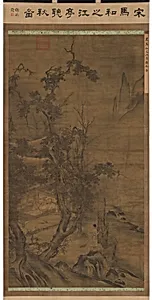
Ma Hezhi’s artistic style was marked by superb, nimble brush handling. One surviving example, the album leaf *Old Tree and Flowing Stream*, showcases his signature “leech strokes”—spirited, fluid lines that convey vitality in depictions of nature and figures. His compositions often balanced concise scenery with dynamic elements, reflecting both technical mastery and courtly refinement.
Ma Hezhi’s legacy endures through these rare surviving works, which represent the pinnacle of the ancient court tradition of propagandistic historical painting. His contributions highlight the Southern Song emphasis on cultural and moral legitimacy amid political challenges, distinguishing him from landscape masters like Ma Yuan and Xia Gui while preserving an important facet of Chinese artistic heritage.