Ctrl K
1893–1941
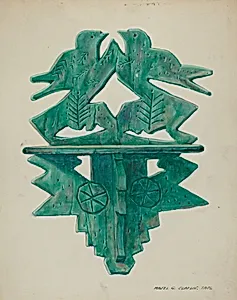
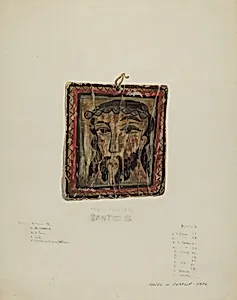
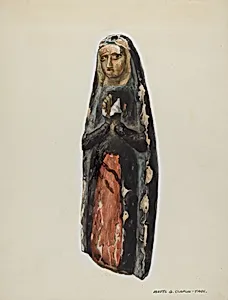
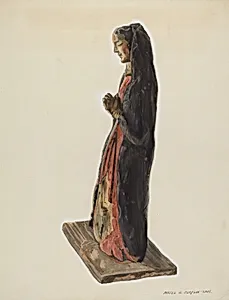
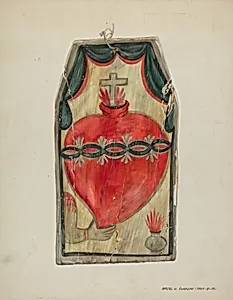
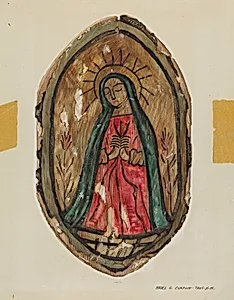
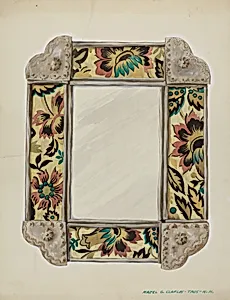
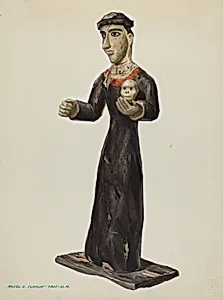
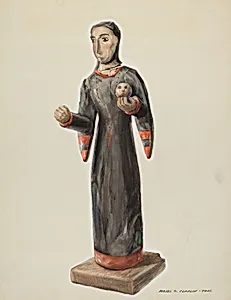
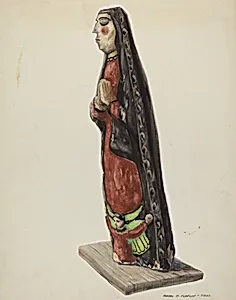
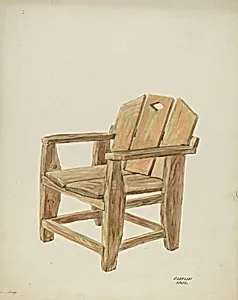
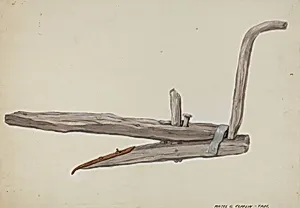
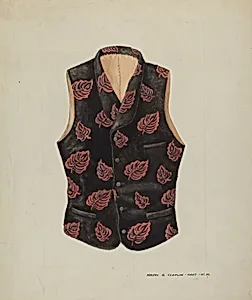
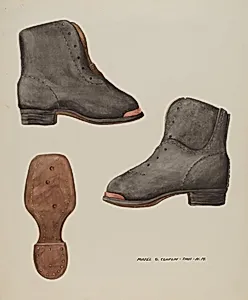
Majel G. Claflin (1893–1941) was an American artist best known for her meticulous documentation of Spanish Colonial folk art from northern New Mexico. Active in Taos, New Mexico, during the late 1930s, she produced watercolor renderings as part of the Index of American Design, a Federal Art Project under the Works Progress Administration that aimed to catalog regional American crafts and traditions. Working from Taos, Claflin captured the vibrant religious sculptures, tinwork, and textiles of Hispanic communities, preserving objects that embodied centuries-old devotional practices brought by Spanish settlers. The National Gallery of Art holds 158 of her works, making her a key contributor to this national effort.
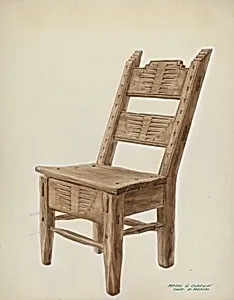
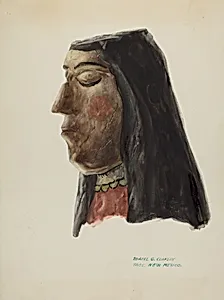
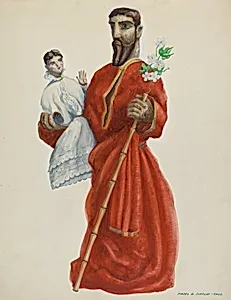
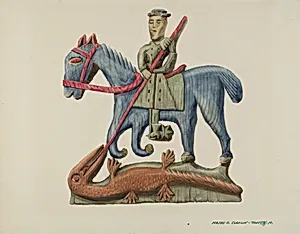
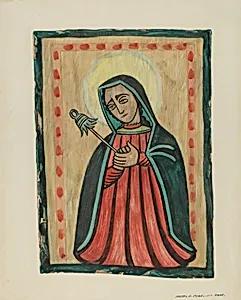
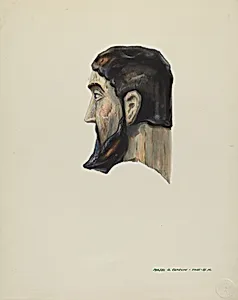
Little is known of Claflin's early life or formal training, which remains sparsely documented; a 1909 Michigan newspaper mentions a young Majel Claflin near Eaton Rapids, suggesting possible Midwestern roots before her time in the Southwest. She worked in the precise, illustrative tradition of the Index of American Design, employing watercolor, gouache, colored pencil, and graphite to render folk objects with photographic accuracy—highlighting intricate details like gilded halos on santos, pierced tin sconces, and appliquéd colcha bedspreads. Her depictions often signed "Majel Claflin / Taos N.M." reflect a deep immersion in local santería, the craft of religious images central to Hispano Catholic culture.
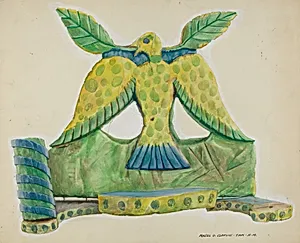
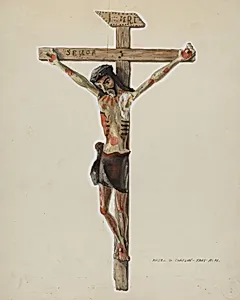
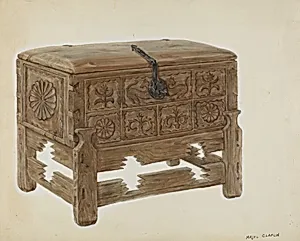
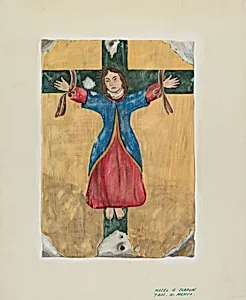
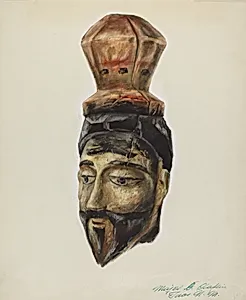
Among her major works are *Colcha* (1935/1942), a vivid rendering of a traditional embroidered bedspread; *Carved and Painted Santo - San Jose* (c. 1938); *Casa en Mesita or Chest on Stand* (c. 1939); *Bird Shelf* (c. 1940); and *Retablo - Santa Maria* (c. 1939), alongside numerous bultos (three-dimensional wooden saints), retablos (paintings on wood), and crucifixes like *Painted Wooden Crucifix* (c. 1939). These pieces showcase everyday devotional items, from niche shrines to death figures like *El Muerto* (c. 1937), blending naive folk aesthetics with Claflin's skilled draftsmanship.
Claflin's legacy endures through her role in safeguarding New Mexican folk art during a period of cultural transition, ensuring that ephemeral crafts like tin nichos and colchas entered the canon of American design history. Her Index contributions not only educated Depression-era audiences about regional heritage but continue to inform scholars and inspire contemporary revivals of santería traditions, bridging folk craft with fine art preservation.