Ctrl K
1889–1920
Occupations
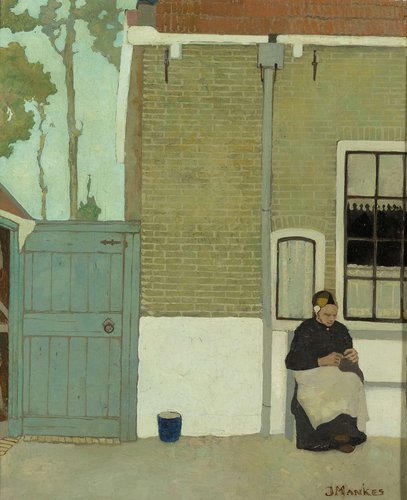
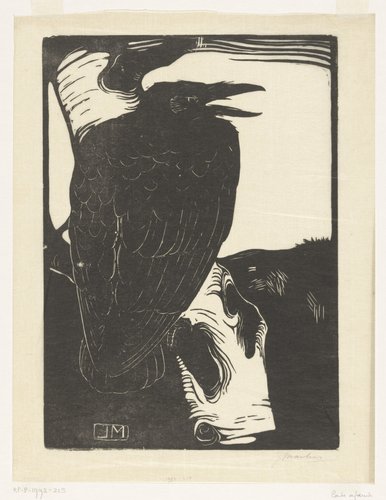
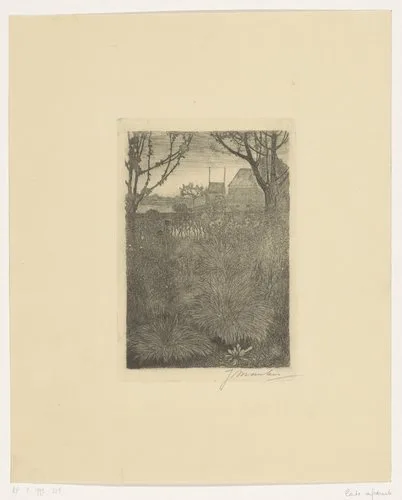
Jan Mankes (1889–1920) was a Dutch painter and printmaker whose brief but remarkably productive career was cut short by tuberculosis at age thirty. Born on August 15, 1889, Mankes produced approximately 200 paintings, 100 drawings, and 50 prints before his death on April 23, 1920, creating a body of work characterized by restrained observation, meticulous detail, and quiet spiritual intensity. Working against the grain of early twentieth-century modernist movements like Expressionism, Cubism, and Futurism, Mankes deliberately looked backward to Impressionism and the Renaissance for inspiration. His preferred subjects—self-portraits, landscapes, and above all, detailed studies of birds and animals—were rendered with a contemplative precision that removed his work from both strict Symbolism and Realism. Contemporary critics have described him as a symbolic realist, though the abstract qualities of his work resist easy categorization.
Born on August 15, 1889, Jan Mankes showed early artistic promise. His training and early development occurred during the emergence of radical modernist movements, yet he consciously chose a different path.
Rather than embracing contemporary avant-garde trends, Mankes drew inspiration from Impressionism and Renaissance traditions, developing a personal style focused on direct observation and careful rendering.
His method involved intensive preliminary study: he would observe and sketch his subjects—often birds and farm animals—'until he knew them by heart, and then painted them from memory.' This approach combined empirical observation with internalized understanding, allowing him to capture both physical accuracy and essential character.
In 1915, Mankes married Anna Zernike, who became the first female Mennonite minister in the Netherlands. Their marriage provided personal support during the increasingly difficult years ahead.
After receiving his tuberculosis diagnosis, the couple moved to Eerbeek in Gelderland, seeking healthier conditions. Despite his deteriorating health, Mankes continued working with remarkable dedication.
One of his favorite subjects was an owl, sent to him by his benefactor Pauwels, which he kept in his room. This and other animals became intimate companions and artistic subjects, rendered with tender observation that transcended mere naturalistic description.
The final five years of his life proved extraordinarily productive despite his illness. His work from this period maintains the same meticulous attention and quiet intensity that characterized his earlier production.
Jan Mankes died of tuberculosis on April 23, 1920, at age thirty, leaving behind a concentrated body of work that demonstrated remarkable maturity and spiritual depth for such a short career.
Artheon Research Team
Last updated: 2025-11-09
Biography length: ~438 words
Wikidata (CC0); Getty ULAN (ODC-By)
All 3 artworks loaded